 The Runner Story
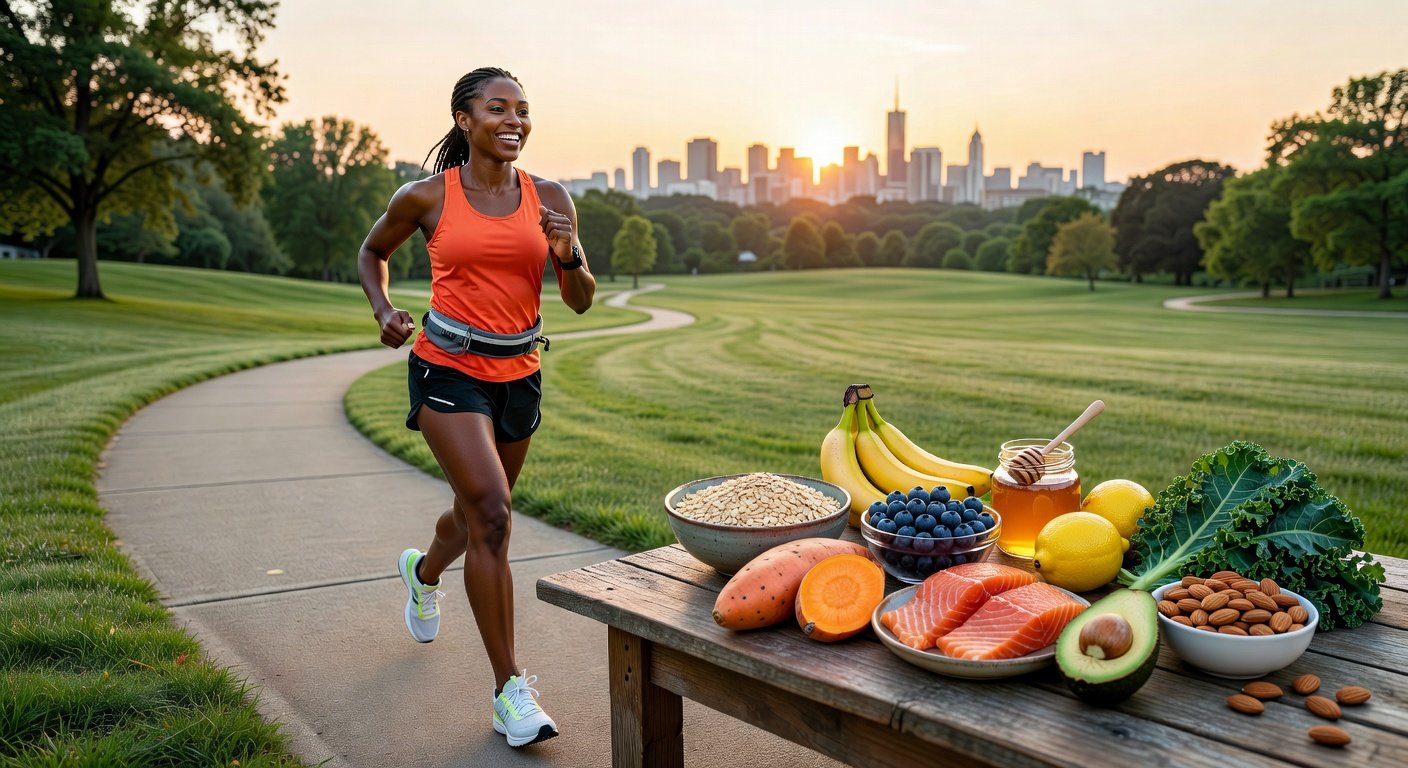
As marathon training ramps up for 2026 races, fueling your body right becomes non-negotiable. Long runs demand more than grit—they require strategic nutrition to sustain energy, repair muscles, and combat inflammation. Poor fueling leads to bonking, prolonged recovery, and injury risk. This guide spotlights 10 proven foods that target these needs, backed by sports nutrition science. We'll break down benefits, optimal timing for training cycles, and simple recipes to integrate them seamlessly.
Why Nutrition is the Secret Weapon for Marathon Endurance
Endurance training depletes glycogen stores, stresses muscles, and triggers inflammation. The right foods replenish carbs for energy, provide protein for repair, and deliver anti-inflammatory compounds. According to the American College of Sports Medicine, athletes should aim for 6-10g carbs/kg body weight daily during heavy training, plus 1.2-2g protein/kg.
For 2026 cycles—think peaking in spring for Boston or fall for NYC—periodize your intake: high-carb pre-long runs, protein-focused post-run, and recovery meals with antioxidants. Let's dive into the top 10 foods.
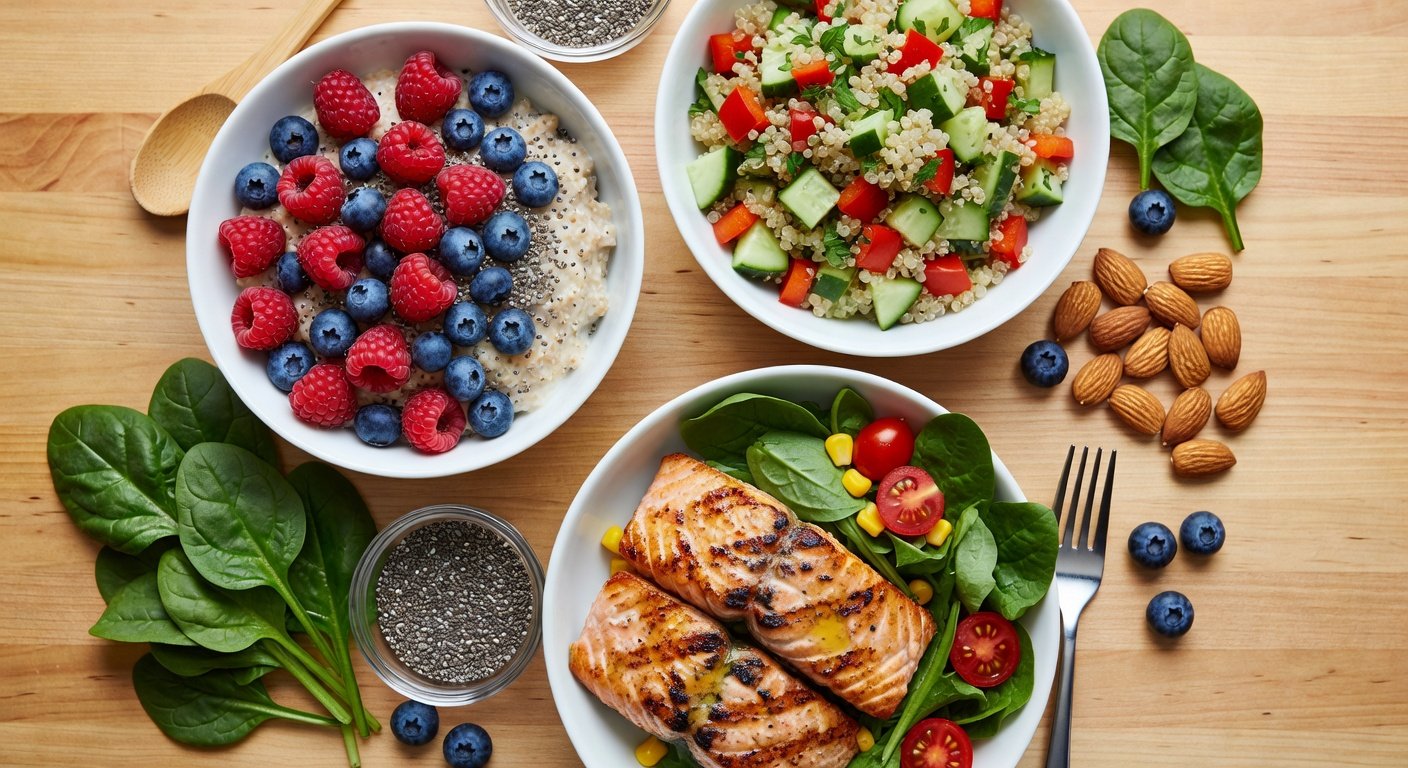
1. Oats: The Sustained Energy King
Oats release glucose slowly via beta-glucan fiber, preventing energy crashes. They're rich in B-vitamins for metabolism and manganese for bone health—crucial for high-mileage weeks.
- Targets: Sustained energy, gut health.
- Timing: Breakfast before easy runs or as overnight oats post-long run.
- Recipe - Marathon Fuel Oats: Mix ½ cup rolled oats, 1 cup almond milk, banana slices, chia seeds. Soak overnight. Top with peanut butter. (400 cal, 70g carbs, 10g protein)
2. Bananas: Quick Potassium Powerhouse
Bananas combat cramps with 422mg potassium per medium fruit and provide 27g fast-digesting carbs. They're portable for mid-run fueling.
- Targets: Electrolyte balance, instant energy.
- Timing: During runs over 90 minutes or pre-workout snack.
- Recipe - Banana Energy Bites: Mash 2 bananas, mix with 1 cup oats, ½ cup nuts, honey. Bake at 350°F for 15 min. Makes 20 bites.
3. Sweet Potatoes: Complex Carb Loader
One baked sweet potato offers 24g carbs, vitamin A for immunity, and antioxidants. Ideal for carb-loading without GI distress.
- Targets: Glycogen replenishment, immune support.
- Timing: Dinner two days before long runs.
- Recipe - Loaded Sweet Potato: Bake, top with black beans, avocado, salsa. (500 cal, 80g carbs, 15g protein)
4. Quinoa: Complete Protein Supergrain
Quinoa has all nine essential amino acids, 8g protein per cup cooked, plus magnesium for muscle function.
- Targets: Muscle repair, sustained energy.
- Timing: Post-run lunch.
- Recipe - Quinoa Salad Bowl: Cook 1 cup quinoa, add cherry tomatoes, feta, olive oil, lemon. Chill for recovery.
5. Salmon: Omega-3 Inflammation Fighter
Wild salmon's EPA/DHA reduce post-run soreness by 20-30%, per studies. Also packs vitamin D for bone health.
- Targets: Inflammation reduction, recovery.
- Timing: Dinner after hard sessions.
- Recipe - Grilled Salmon with Greens: Grill 4oz fillet, serve over spinach and quinoa. Season with herbs.
For more on omega-3s, check the Mayo Clinic.
6. Almonds: Healthy Fat Endurance Booster
A handful (1oz) gives 7g protein, vitamin E (antioxidant), and monounsaturated fats for steady energy without weight gain.
- Targets: Sustained energy, antioxidant protection.
- Timing: Snacks between runs.
- Recipe - Almond Butter Toast: Spread on whole-grain bread with banana slices.
7. Greek Yogurt: Protein-Packed Recovery
Plain nonfat Greek yogurt has 20g protein per cup, probiotics for gut health, and calcium for bones.
- Targets: Muscle repair, digestion.
- Timing: Within 30 min post-run.
- Recipe - Yogurt Parfait: Layer with berries, granola, honey.
8. Blueberries: Antioxidant Inflammation Reducers
These berries fight oxidative stress with anthocyanins, speeding recovery by supporting mitochondrial function.
- Targets: Inflammation, recovery.
- Timing: Daily smoothies.
- Recipe - Berry Smoothie: Blend 1 cup blueberries, yogurt, spinach, protein powder.
Harvard's nutrition source highlights berries' benefits: Harvard T.H. Chan School of Public Health.
9. Eggs: Versatile Muscle Builder
Eggs offer 6g complete protein, choline for nerves, and leucine for muscle synthesis.
- Targets: Muscle repair, nutrient density.
- Timing: Breakfast recovery.
- Recipe - Veggie Egg Scramble: Whisk 3 eggs with spinach, tomatoes, feta.
10. Spinach: Iron-Rich Oxygen Transporter
Spinach prevents anemia with iron, folate, and nitrates that boost endurance by improving blood flow.
- Targets: Oxygen delivery, energy.
- Timing: Salads or sides daily.
- Recipe - Spinach Power Salad: Toss with quinoa, salmon, nuts, vinaigrette.
Practical Timing Tips for 2026 Training Cycles
- Base Phase (Winter): Focus oats, quinoa for building mileage.
- Build Phase (Early Spring): Add bananas, sweet potatoes for long runs.
- Peak Phase: Salmon, berries for recovery; carb-load with potatoes.
- Taper: Light yogurt, eggs to maintain without heaviness.
Common Mistakes to Avoid:
- Over-relying on gels—whole foods digest better long-term.
- Ignoring hydration—pair foods with electrolytes.
- Skipping variety—rotate to prevent deficiencies.
Sample Weekly Meal Plan
| Day | Pre-Run | Post-Run | Dinner |
|---|---|---|---|
| Mon (Easy) | Oats | Greek Yogurt | Salmon Spinach |
| Sat (Long) | Banana | Quinoa Bowl | Sweet Potato |
FAQs for Marathon Fueling
Q: How many calories for 2026 training? 2500-4000+ depending on body size and volume.
Q: Vegan alternatives? Swap salmon for chia/flax, eggs for tofu.
Q: Track progress? Use apps like MyFitnessPal; monitor energy levels.
Conclusion: Fuel Smart, Run Strong
Incorporate these 10 foods into your 2026 plan for peak performance. Consistency trumps perfection—start small, experiment in training. Consult a sports dietitian for personalization. Lace up and eat to win your next marathon!


No comments yet. Be the first!