 The Runner Story

Introduction to HRV in Marathon Training
Intermediate runners preparing for marathons in 2026 often seek data-driven methods to build endurance sustainably. Heart rate variability (HRV) monitoring offers insights into recovery and autonomic nervous system function, helping athletes adjust training loads effectively. This comprehensive guide covers HRV fundamentals, daily protocols using wearables, score interpretation, linking trends to endurance adaptations, sample weekly training tweaks, comparisons of popular devices, real runner case studies, step-by-step setup routines, and a detailed FAQ addressing misconceptions. By integrating HRV data, runners can achieve better race preparation without the risks of overtraining.
Understanding HRV Basics
HRV measures the variation in time between heartbeats, reflecting how well your body handles stress and recovers. It is influenced by the balance between the sympathetic and parasympathetic nervous systems. Higher HRV typically indicates better fitness and resilience, while lower values may signal fatigue or overtraining. For endurance athletes, tracking HRV links directly to adaptations in aerobic capacity and sustainable pacing. Physiologically, HRV arises from respiratory sinus arrhythmia and other factors; metrics like RMSSD and SDNN provide quantifiable data. Understanding these basics empowers runners to move beyond subjective feelings toward objective training decisions.
Daily Measurement Protocols Using Wearables
Consistent measurement is key to reliable HRV data. Take readings each morning upon waking, in a seated or supine position for 2-5 minutes. Popular devices include chest straps or wrist-based options that sync with apps for trend analysis. Ensure measurements occur under similar conditions, avoiding caffeine, intense activity, or even heavy meals beforehand. Establish a routine: wake at the same time, minimize movement, and breathe naturally. Many apps allow for guided sessions with breathing prompts. Track additional variables like sleep duration and perceived stress to contextualize readings. Over time, this protocol builds a robust personal baseline for accurate interpretation.
Interpreting HRV Scores for Training Adjustments
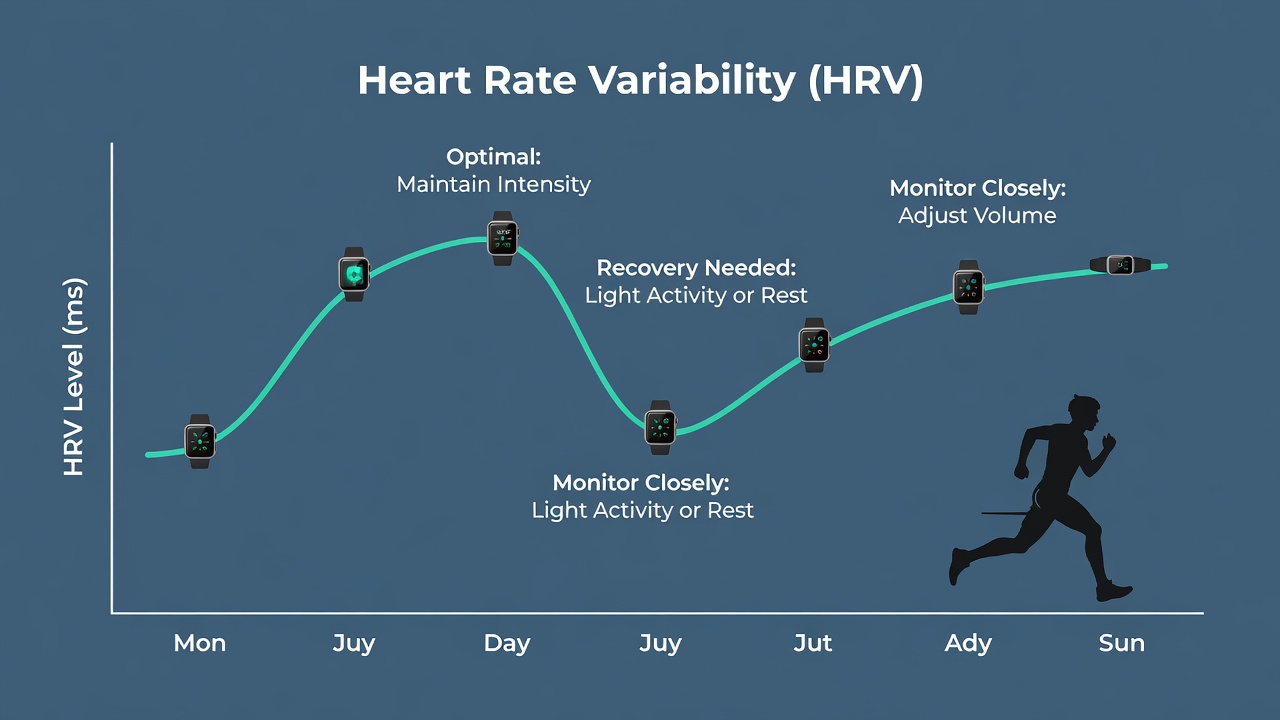
Scores above your baseline suggest readiness for high-intensity sessions, while drops indicate a need for recovery days. Compare 7-day rolling averages to identify patterns. For example, a consistent decline over three days warrants reduced volume to prevent burnout. Learn key metrics: RMSSD focuses on short-term variability and recovery, while SDNN offers a broader view. Apps often color-code readings—green for good, yellow for caution, red for rest. Consider external factors like illness or travel that might temporarily lower scores. Advanced users can correlate HRV with performance metrics such as pace or heart rate zones during workouts.
Linking HRV Trends to Endurance Adaptations
Over weeks, rising HRV often correlates with improved mitochondrial efficiency and better oxygen utilization. Runners can use this data to time long runs during peak recovery windows, fostering greater endurance gains without excessive strain. Research supports that consistent HRV monitoring helps detect early signs of overreaching, allowing adjustments that lead to supercompensation. For marathoners, positive trends during base-building phases predict stronger performances in tempo and long-run sessions. Tracking seasonal changes reveals how training blocks impact overall resilience.
Sample Weekly Training Tweaks Based on Readings
Apply HRV insights with flexible planning. High HRV day: Incorporate intervals or tempo runs at 80-90% effort, such as 5x1km repeats with recovery jogs. Moderate HRV: Focus on easy mileage with strides, aiming for 60-70% of max heart rate. Low HRV: Opt for rest, yoga, or cross-training like cycling to restore balance. Example week for a runner targeting a sub-4-hour marathon: Monday (high HRV) - speedwork; Tuesday (moderate) - recovery run; Wednesday (low) - rest or walk; Thursday (rising) - long easy run; Friday (high) - hill repeats; Saturday (moderate) - easy shakeout; Sunday (baseline) - rest. Adjust volume by 10-20% based on trends to maintain sustainability.
Comparing Popular HRV Devices
Options range from dedicated fitness trackers to advanced multisport watches. Chest-strap models like those from Polar provide higher accuracy for serious athletes during both rest and activity. Wrist-based options from Garmin or Whoop offer convenience for daily use with continuous monitoring features. Apple Watch provides solid optical sensor data integrated with health apps. Review features like app integration, battery life, and export options when selecting a tool. Chest straps excel in precision for baseline readings, while wearables prioritize all-day tracking and user-friendly interfaces.
Real Runner Case Studies
One intermediate marathoner increased weekly mileage by 15% after stabilizing HRV through recovery-focused tweaks, achieving a personal best at the 2025 race by aligning hard sessions with high-readiness days. Another used trends to avoid a planned hard session during a low-HRV period, preventing injury and maintaining consistent training blocks leading to a successful Boston qualifier. A third runner combined HRV with sleep data to optimize nutrition timing, resulting in faster recovery between long runs and improved overall endurance scores.
Step-by-Step Setup Routines
- Choose and pair your wearable with a compatible app like TrainingPeaks or Elite HRV.
- Establish a 7-day baseline during low-stress periods, logging daily.
- Log readings alongside subjective feelings like sleep quality and mood.
- Review weekly trends with a coach or self-analysis tools to refine plans.
- Troubleshoot issues such as poor contact by cleaning sensors or adjusting strap fit.
- Integrate alerts for significant deviations to prompt immediate adjustments.
FAQ: Addressing Common Misconceptions
Does a single low reading mean skip training? No—look at trends instead of isolated values. Is HRV only for elites? Intermediate runners benefit greatly from early adoption to build smart habits. How does it differ from heart rate? HRV focuses on recovery and variability, complementing traditional heart rate zones. Can illness affect readings? Yes, acute issues like colds often lower HRV temporarily. Should I measure multiple times daily? Morning is primary, but evening checks can add context for stress. Is there a universal good score? No, personal baselines matter most—compare to your own history.
Common Mistakes to Avoid
Avoid inconsistent timing or conditions that skew data. Do not overreact to daily fluctuations without considering the full week. Neglecting to combine HRV with other metrics like perceived exertion can lead to incomplete decisions. Finally, ignoring device calibration reduces accuracy over time.
Conclusion
Integrating HRV monitoring into marathon prep supports smarter, injury-free endurance building. Start with consistent measurements and adjust based on data for optimal 2026 results. For more on cardiovascular health, visit American Heart Association or explore training resources at Runner's World and Mayo Clinic.


No comments yet. Be the first!