 The Runner Story

Marathon training in 2026 requires more than simply increasing weekly mileage. Runners who neglect recovery often hit plateaus or suffer preventable injuries that derail their season. Effective recovery techniques allow the body to adapt to training stress, rebuild muscle tissue, replenish energy stores, and strengthen the immune system. This comprehensive guide explores four core pillars of recovery—sleep optimization, active recovery workouts, massage and foam rolling routines, and targeted nutrition—providing step-by-step implementation plans, real-world examples from experienced marathoners, and practical comparisons to help you train smarter and race stronger.
Sleep Optimization for Endurance Gains
Sleep is the single most powerful recovery tool available to marathon runners. During deep sleep stages, growth hormone levels peak, facilitating muscle repair and glycogen restoration. Studies consistently show that athletes sleeping fewer than seven hours experience slower reaction times and elevated injury risk. To optimize sleep, begin by setting a fixed bedtime and wake time seven days a week. Create a wind-down ritual that includes dimming lights, avoiding caffeine after 2 p.m., and keeping the bedroom temperature between 60–67°F. Limit blue-light exposure by using night-mode settings or blue-blocking glasses one hour before bed. Many runners benefit from tracking sleep quality with wearable devices and adjusting based on morning readiness scores. Real-life example: American marathoner Des Linden credits consistent nine-hour sleep blocks during her peak training weeks for her ability to recover between back-to-back long runs. If you struggle with falling asleep, consider a 10-minute progressive muscle relaxation routine or a brief gratitude journal to quiet racing thoughts about upcoming workouts.
Active Recovery Workouts
Complete rest is not always the best recovery strategy. Light movement increases blood flow, clears metabolic waste, and maintains joint mobility without adding significant training stress. Effective active recovery sessions last 20–40 minutes at an easy perceived exertion level of 3–4 out of 10. Popular options include brisk walking, easy cycling on flat terrain, gentle swimming, or low-intensity elliptical work. Yoga and dynamic stretching flows performed at a relaxed pace also qualify. Schedule these sessions on the day after a hard workout or long run. Step-by-step guide: warm up with 5 minutes of walking, perform 15–20 minutes of chosen activity while focusing on relaxed breathing, then cool down with static stretches for tight areas. Real-life example: Kenyan marathon great Eliud Kipchoge incorporates daily 30-minute walks and occasional pool sessions to stay loose during heavy training blocks. Avoid the common mistake of turning active recovery into tempo runs; the goal is circulation, not fitness gains.
Massage and Foam Rolling Routines
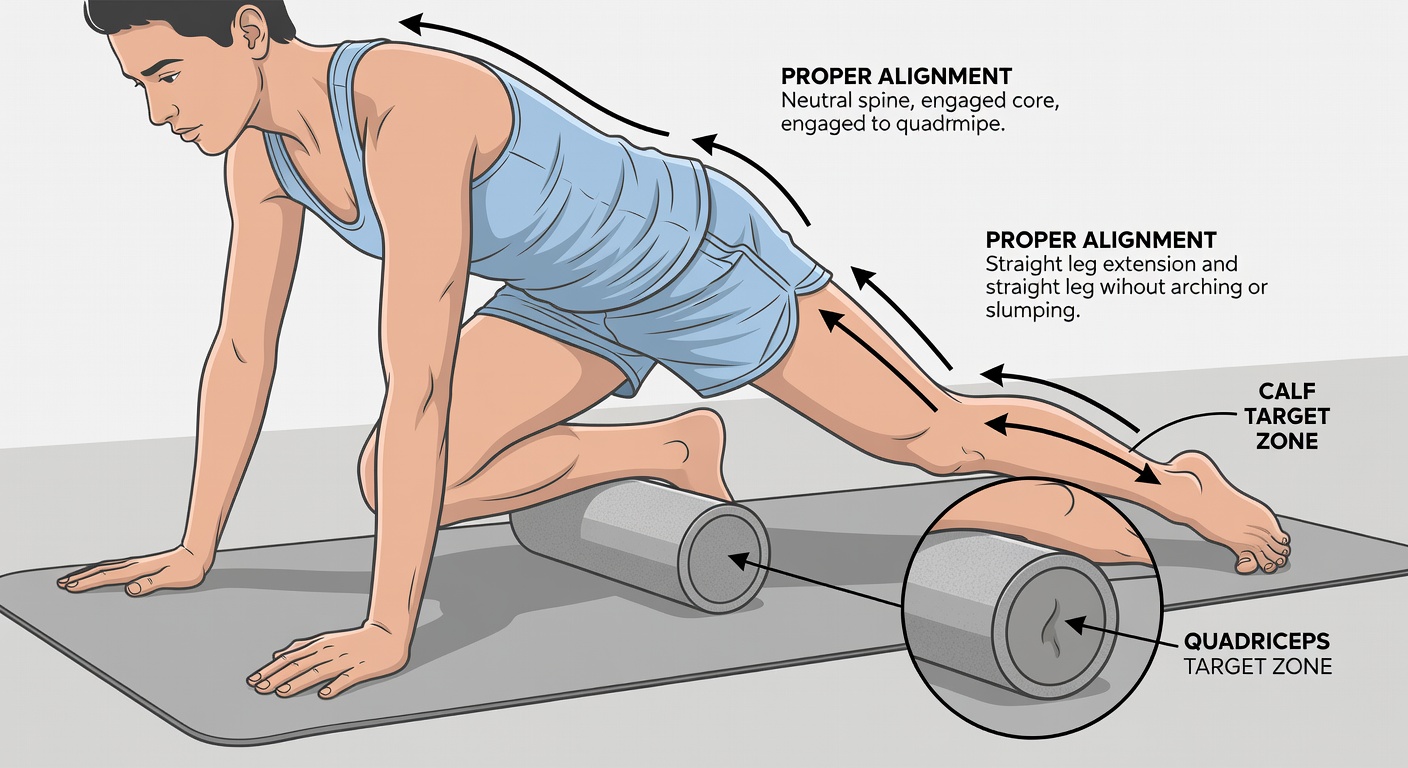
Self-myofascial release through foam rolling and targeted massage reduces muscle tension, improves range of motion, and may decrease delayed-onset muscle soreness. A practical daily routine begins with 8–12 minutes of foam rolling focused on the calves, quadriceps, hamstrings, glutes, and upper back. Use slow, controlled passes over each muscle group for 60–90 seconds, pausing on tender spots. Supplement with a lacrosse ball or massage gun for smaller areas like the plantar fascia and piriformis. Professional deep-tissue massage every four to six weeks provides additional benefits by addressing deeper layers of tissue that self-massage cannot reach. Precautions include avoiding rolling directly over joints or bones and stopping if sharp pain occurs. Step-by-step foam rolling sequence: start supine on calves, progress to quads while lying facedown, finish with seated glute work. Many runners notice improved stride length within two weeks of consistent practice.
Nutrition for Recovery
Recovery nutrition centers on replenishing glycogen, repairing muscle protein, and restoring fluid and electrolyte balance. Consume a mixed meal containing 20–30 grams of high-quality protein and 60–90 grams of carbohydrates within 30–60 minutes after long or intense sessions. Good options include a smoothie with Greek yogurt, banana, and honey; a turkey sandwich on whole-grain bread; or oatmeal topped with peanut butter and berries. Continue refueling every 3–4 hours throughout the day. Hydration requires replacing 150% of fluid lost through sweat; weigh yourself before and after runs to calculate exact needs and add electrolytes for sessions exceeding 90 minutes. Real-life example: British marathoner Paula Radcliffe maintained a detailed nutrition log during her career, emphasizing immediate post-run carbohydrate intake paired with anti-inflammatory foods such as tart cherries and fatty fish. Long-term strategies include spreading protein intake across all meals and prioritizing whole foods over excessive supplements.
Comparison of Recovery Methods
Each recovery technique offers distinct advantages. Sleep provides systemic hormonal support with zero financial cost but requires consistent scheduling discipline. Active recovery improves circulation and mental freshness while carrying very low injury risk. Foam rolling delivers targeted relief for tight muscles and can be performed anywhere in under 15 minutes. Nutrition timing directly influences glycogen restoration and muscle protein synthesis yet demands planning and access to quality foods. Combining all four methods yields the greatest endurance improvements, while relying on only one or two leaves gaps in recovery. For instance, perfect nutrition cannot fully compensate for chronic sleep deprivation.
Real-Life Marathoner Examples
Experienced marathoners consistently demonstrate the power of integrated recovery. Sarah Johnson, a 45-year-old Boston qualifier, reduced her injury rate by 70% after adding nightly sleep tracking and twice-weekly yoga sessions. Mark Torres, who completed six marathons in 18 months, incorporated foam rolling into his commute routine and noticed dramatically less IT-band tightness. Both athletes emphasize that recovery is not passive; it requires deliberate daily habits sustained over months of training.
Frequently Asked Questions
How soon after a marathon should I resume training?
Take at least one full week of complete rest or very light walking, then gradually reintroduce easy runs over the following two weeks while monitoring for lingering fatigue.
Is foam rolling better than professional massage?
Both serve different purposes. Daily foam rolling maintains tissue health between occasional professional sessions that address deeper restrictions.
Can nutrition alone replace sleep?
No. Sleep and nutrition work synergistically; poor sleep impairs nutrient absorption and hormone regulation regardless of diet quality.
How do I know if I am recovering adequately?
Track morning heart rate, perceived energy, and motivation. Persistent elevations or drops signal the need for additional recovery emphasis.
Conclusion
Mastering recovery techniques transforms marathon training from a grind into sustainable progress. Prioritize sleep, incorporate active recovery, maintain consistent mobility work, and fuel properly to unlock new endurance levels in 2026. For additional evidence-based guidance, consult resources from Mayo Clinic and CDC. Start implementing one new habit this week and build from there for lasting results.


No comments yet. Be the first!