 The Runner Story
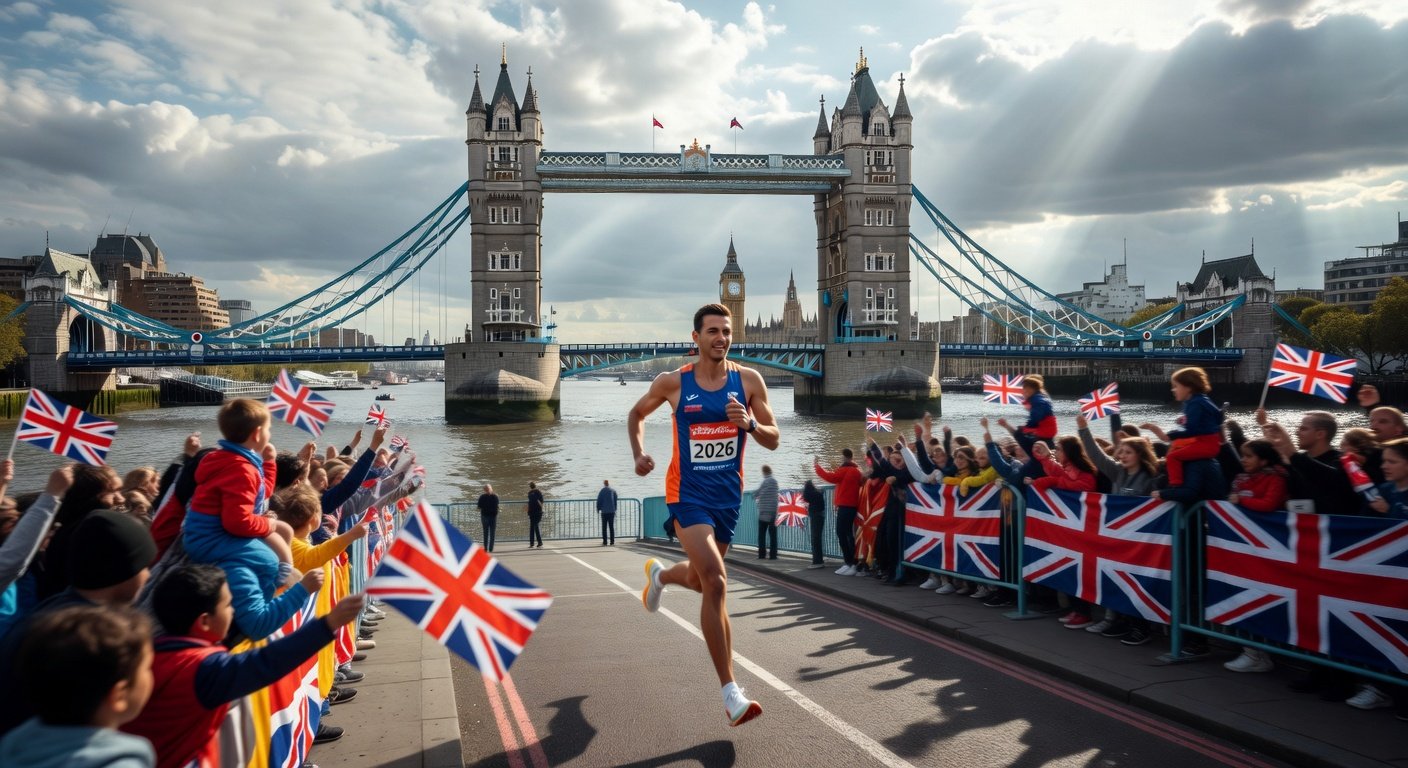
The 2026 TCS London Marathon was a dream realized, a grueling yet exhilarating journey through the heart of London that culminated in my personal best time of 3:28:45. As a runner who's chased sub-3:30 for years, crossing the finish line on The Mall amid roaring crowds felt like pure glory. This recap dives deep into the highs, the unexpected headwinds, mile-by-mile breakdowns, and the fueling strategies that powered me through. Whether you're prepping for your first marathon or chasing a PB, these insights from April 26, 2026, will inspire and equip you.
Pre-Race Prep: Building to Race Day
Months of disciplined training led to this moment. My build-up included 70-80 mile weeks peaking at a 20-miler three weeks out, with tempo runs and long efforts mimicking marathon pace. I drew inspiration from the official TCS London Marathon site, studying the course map and elevation profile—minimal hills but iconic landmarks like Tower Bridge and Big Ben.
Race week was taper time: carb-loading with oats, pasta, and bananas, while visualizing the course. Gear was dialed: Hoka Carbon X 3 shoes, a hydration vest for gels, and a GPS watch synced to pace alerts. Nerves hit at the start in Greenwich Park, but elite waves fired me up.
Miles 1-5: Starting Strong in Greenwich
The gun went off at 9:45 AM under partly cloudy skies, temps around 12°C—ideal. Mile 1 (7:55 pace) flew by as we descended past the Cutty Sark. Crowds were electric, kids high-fiving us. By mile 3 (7:52), we hit the first incline near Blackheath; I settled into even splits, heart rate steady at 155 bpm.
Mile 4 brought the first gel—Maurten 160mg caffeine—at 40 minutes. Mile 5 (7:58) curved through Charlton; a light headwind whispered warnings, but adrenaline pushed it aside. Pace felt effortless, crowds chanting "You're flying!"
Miles 6-10: The Approach to Tower Bridge
This stretch through Surrey Quays and Rotherhithe built anticipation. Mile 7 (8:00) saw pace creep up slightly from minor congestion, but I focused on cadence—180 steps per minute. By mile 9, the Isle of Dogs loomed, skyscrapers gleaming.
The highlight? Approaching Tower Bridge at mile 12, but miles 10-11 ramped the energy. A spectator band blasted "Sweet Caroline," lifting spirits. Second gel at mile 10: SiS Beta Fuel for sustained carbs. Headwinds picked up here, gusting 10-15 mph off the Thames—my first real challenge.
The iconic crossing of Tower Bridge at mile 12 was euphoric. Sun broke through as thousands cheered from both sides. I hit it at 1:37 elapsed (8:05 average pace so far), the bridge's arches framing Big Ben ahead. It was the emotional peak—pure runner's high. (Photo: Mid-stride on Tower Bridge, arms pumping, marathon bib fluttering.)
Miles 13-17: Highway of Pain and Pub Row
Post-Bridge, reality bit. Miles 13-15 along the Highway faced brutal headwinds, slowing me to 8:15 pace. Legs burned; I broke it into segments, high-fiving pubs on Narrow Street (mile 16). Third gel at mile 15: GU Roctane, chased with water from aid stations every 5K.
Mile 17's turn toward Limehouse was a relief—winds at our backs briefly. Crowds thickened, signs like "Pain is Temporary, Finish Line Forever" fueling mental grit. I avoided the rookie mistake of going out too fast, staying conservative.
Miles 18-21: The Wall and Mental Battle
Here, the wall loomed around mile 20. Quads screamed from wind resistance; pace dipped to 8:25. I leaned on mantras: "One mile at a time." Fourth gel (Clif Energy) at mile 20, plus salt tabs for electrolytes—crucial after sweating buckets.
Passing the Tower of London (mile 19) and Canary Wharf (mile 21) distracted me. Check Runner's World UK marathon tips for similar mental strategies; visualization saved me.
Miles 22-26.2: The Mall Magic and Finish Line Glory
Westminster at mile 22: Big Ben, Parliament—iconic! Crowds exploded, a sea of flags. Headwinds eased, pace rebounding to 8:10. Mile 24 through Victoria Embankment tested resolve, but bird's-eye cheers propelled me.
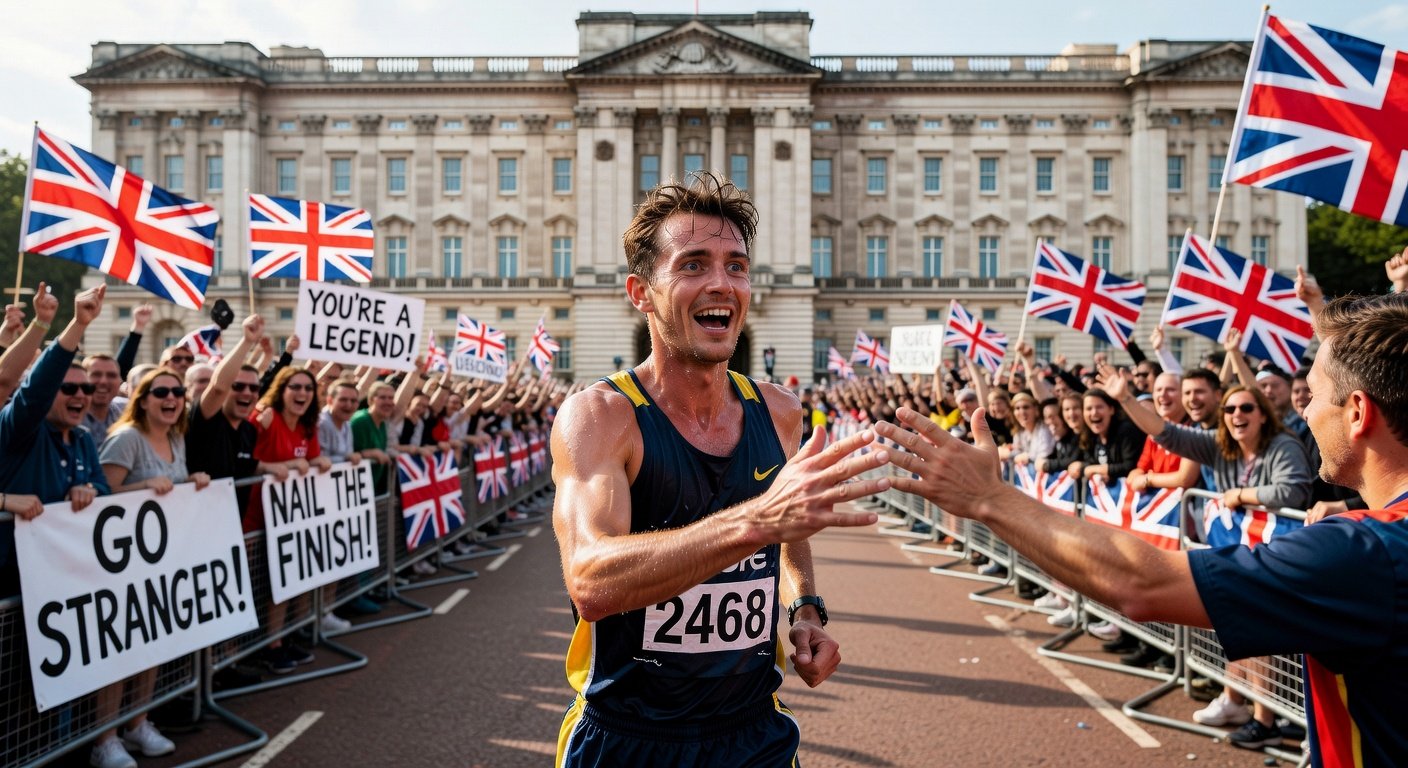
The final 2.2 on Birdcage Walk and The Mall? Unforgettable. Royal flags, Union Jacks waving, speakers booming "Chariots of Fire." I surged: mile 25 (7:55), mile 26 (7:48), final 0.2 kick at 7:20 pace. Crossing at 3:28:45—PB by 4 minutes! Tears mixed with sweat.
Fueling and Hydration: My Race-Day Strategy
Fueling was key to avoiding the bonk. Here's the breakdown:
- Pre-race: Bagel with peanut butter, banana, black coffee 2 hours prior.
- Gels every 40-45 mins: Miles 6, 10, 15, 20—mix of Maurten, SiS, GU (total 600 cals carbs).
- Hydration: Water/sports drink at every station; 500ml/hour target.
- Supplements: SaltStick caps every hour post-mile 10 for sodium.
This 60g/hour carb intake matched World Athletics fueling guidelines. Pro tip: Practice in long runs to test gut tolerance.
Challenges Conquered: Headwinds and Lessons Learned
- Headwinds (miles 13-17): Drafted smartly behind pacers, leaned forward 5 degrees.
- Mental Fatigue: Playlists with EDM drops; chatted with runners for camaraderie.
- Footwear Wear: Shoes held up, but taped toes prevented blisters.
Biggest lesson: Specificity in training—wind treadmill sessions and Thames runs mimicked conditions.
Post-Race Reflections and Inspiration
Recovery started immediately: compression socks, protein shake, foam rolling. One week later, no major DOMS. This PB validated 18 months of sacrifice.
For fellow runners: Chase your Tower Bridge moment. Build a plan with progressive overload, nail nutrition, embrace adversity. Share your stories—London 2027 bibs go fast! What's your next race goal?
Training key takeaways:
- 80/20 rule: 80% easy, 20% hard efforts.
- Strength train 2x/week: squats, planks.
- Mock race simulations every 4 weeks.
No comments yet. Be the first!