 The Runner Story
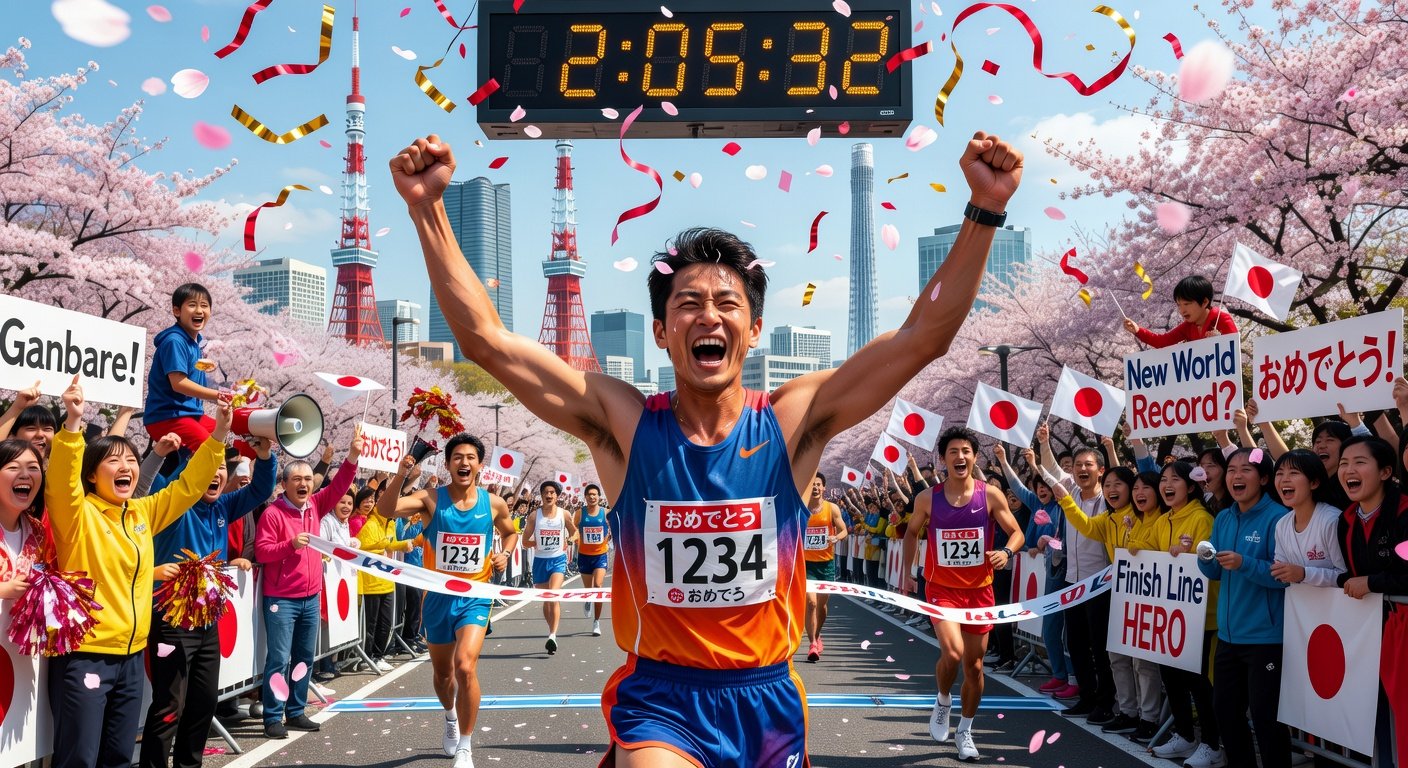
Arrival in Japan: Pre-Race Excitement Builds
Stepping off the plane at Haneda Airport in late March 2026 felt like entering a dream. I'd qualified for the Tokyo Marathon through a grueling lottery system, and now, with cherry blossoms (sakura) in full bloom, Tokyo was alive with pink petals dancing in the breeze. My journey began with a seamless Shinkansen ride from Tokyo Station to my hotel in Asakusa, soaking in the neon lights and efficient public transport that Japan is famous for.
Pre-race days were a whirlwind of carb-loading at izakayas, visiting Senso-ji Temple for good luck, and picking up my bib at the expo. The energy was palpable—runners from over 100 countries milling about, sharing stories. I adapted my training early: incorporating heat acclimation sessions back home to mimic Tokyo's humid spring conditions, which often hover around 60-70% humidity even in March. Pro tip: Use a sauna or heated yoga for international race prep.
Race Morning: Electric Atmosphere Under Sakura Skies
Waking at 4 AM on race day, I fueled with onigiri and bananas before heading to the start in front of Tokyo Station. The air buzzed with anticipation. Sakura lined the streets, petals fluttering like confetti as 38,000 runners gathered in waves. National anthems blared, and elites like Eliud Kipchoge (making a comeback) waved from the front. My wave started at 8:10 AM, and with a goal pace of 4:15/km for a sub-3-hour finish, I felt ready.
The gun fired, and we surged forward amid cheers from spectators packed 10-deep. The first few kilometers flew by on wide avenues, passing the iconic Tokyo Station and heading toward Ginza's glitzy shops.
Mile-by-Mile Battles: Humidity, Crowds, and Pacing Wins
Miles 1-5 (Kms 1-8): Smooth sailing at 4:10/km pace. Humidity hit early, but my acclimation paid off—no overheating yet. Crowds roared, kids handing out tissues and mochi. We looped past skyscrapers, the sun peeking through sakura canopies.
Miles 6-10 (Kms 9-16): The real test began. Narrowing roads meant weaving through packs, burning extra energy. Humidity climbed to 68%, sweat pouring. I stuck to my plan, negative-splitting by easing into rhythm. Cultural highlight: Glimpsing the Imperial Palace moat around km 12—its gardens a serene contrast to our pounding feet.
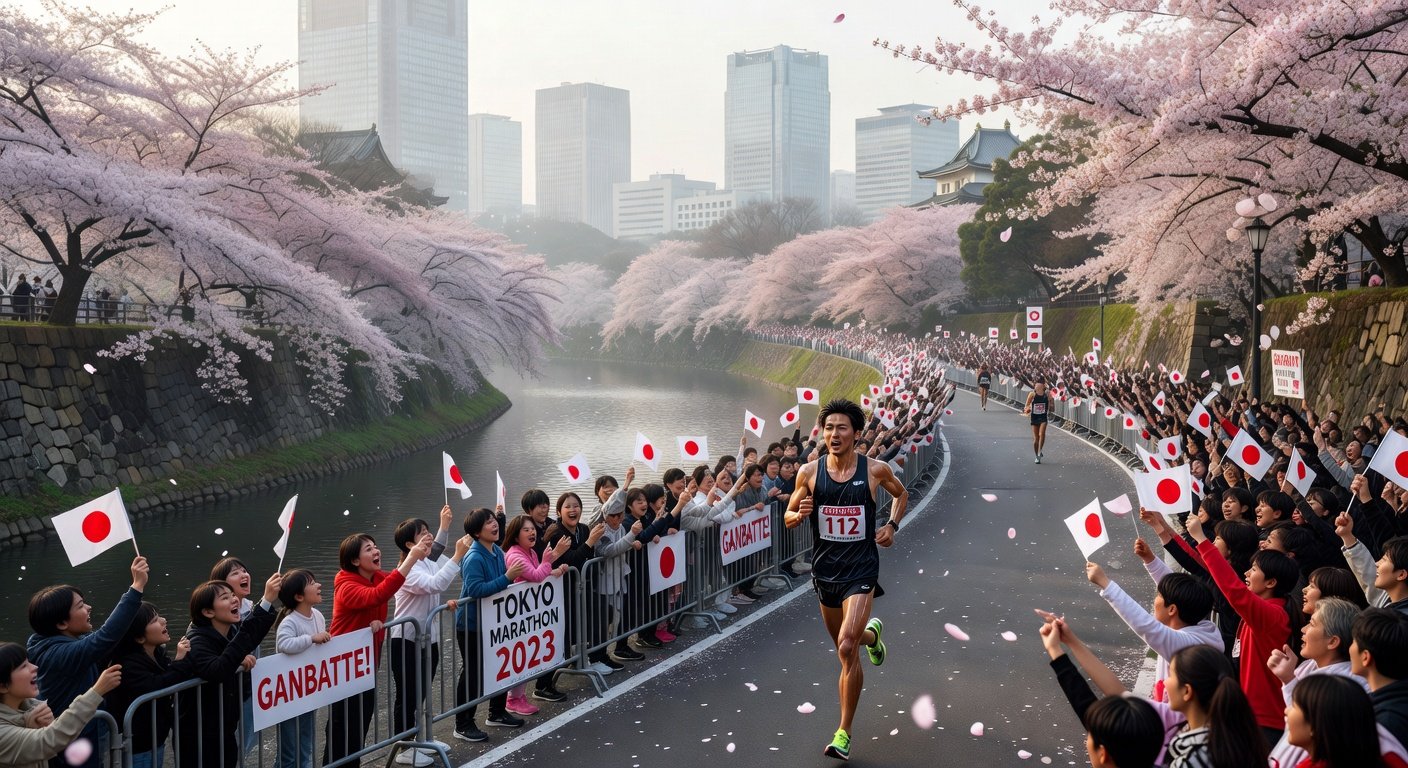
Miles 11-15 (Kms 17-24): The wall loomed. Tokyo's crowds were unmatched—office workers, families, even sumo wrestlers cheering. I battled cramps from the sticky air but hit my gel schedule perfectly, maintaining 4:12/km. Passing Iidabashi, the sake brewery wafted aromas that tempted weary legs.
Miles 16-20 (Kms 25-32): Brutal headwinds on the Kachidoki Bridge out-and-back. Doubts crept in, but mantras like "One foot Tokyo-style" kept me going. Pacing triumph: Negative split achieved, hitting halfway in 1:28—faster than planned.
Miles 21-26.2 (Kms 33-Finish): The infamous uphill to Ryogoku and back. Legs screamed, humidity sapped energy, but crowds propelled us. Descending into the city, sakura framed the skyline. The final km along the Sumida River was euphoric—finish chute in sight! I crossed at 2:57:42, tears mixing with sweat, medal around my neck amid fireworks.
Cultural Highlights and Post-Race Reflections
Beyond the race, Tokyo wove magic: Running past the Imperial Palace felt historic, like threading ancient and modern Japan. Post-finish, I devoured ramen in Akihabara and soaked in an onsen, body aching but soul full. For more on the event, check the Tokyo Marathon official website.
Training Adaptations for International Races
Key lessons for global runners:
- Climate Simulation: Train in heat/humidity gear, like vapor barriers or hot yoga 4-6 weeks out.
- Crowd Navigation: Practice intervals in busy parks to build dodging skills.
- Fuel Testing: Experiment with Japanese gels (e.g., Uchida Yakkyoku) abroad.
- Jet Lag Hack: Shift sleep 3 days pre-flight; melatonin + light exposure.
- Pacing Tech: Use GPS watches calibrated for urban interference—Garmin's Tokyo mode helped.
Motivational Takeaways for Aspiring Global Runners
This wasn't just a race; it was cultural immersion fueling resilience. Tokyo taught: Embrace chaos (crowds/humidity), celebrate small wins (pacing splits), and run with joy amid sakura. If you're eyeing majors like Boston or Berlin, start with lotteries now—dream big, train smart. Your global PR awaits!
What's your bucket-list marathon? Share below.

No comments yet. Be the first!