 The Runner Story
Introduction to Sustainable Running Shoes in 2026
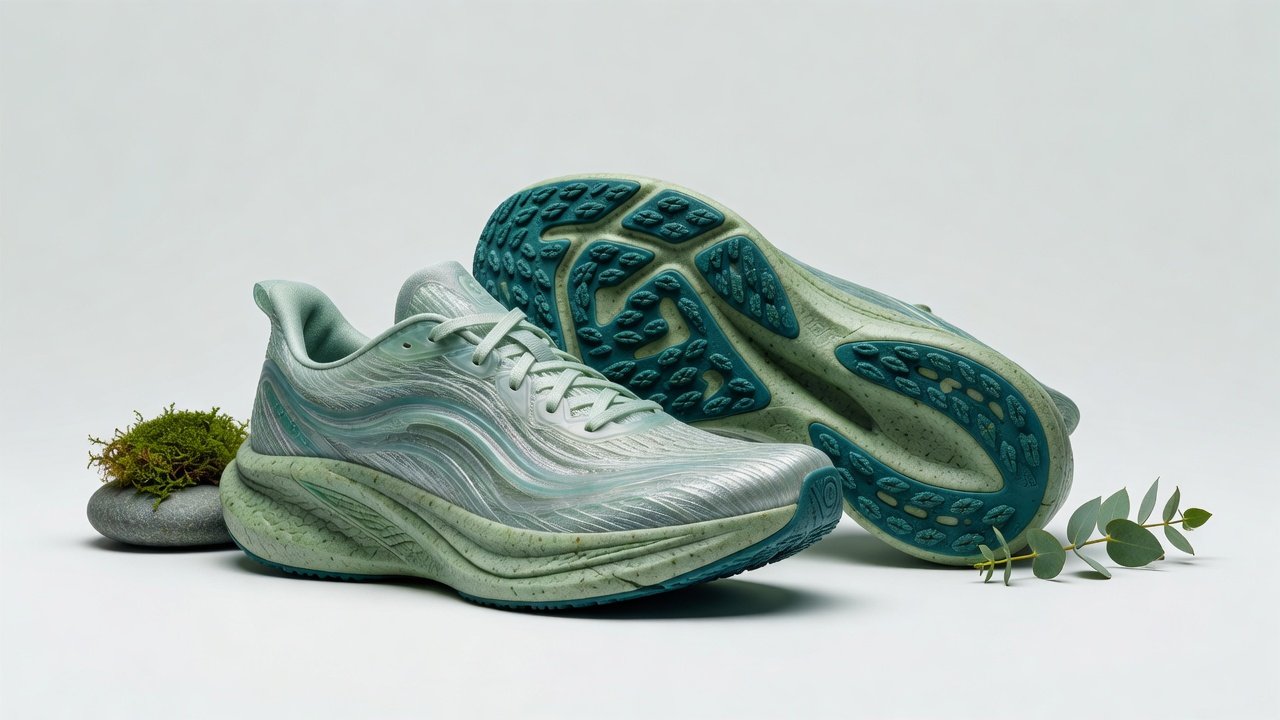
As runners increasingly prioritize environmental impact alongside performance, sustainable running shoes featuring recycled and bio-based materials have become a major focus for 2026. Brands are innovating with ocean plastics, agricultural waste, and plant-derived foams to reduce reliance on virgin petroleum products. This comprehensive guide examines lab durability tests, energy return metrics, carbon footprint data, and real-world feedback from athletes using shoes from Adidas and Saucony. Performance remains critical. Eco-conscious runners want shoes that deliver traction on varied surfaces, comfort over long distances, and speed without compromise. We compare daily trainers versus race-day options to help you choose wisely while understanding the full lifecycle impact of your gear choices.
The shift toward sustainability in running footwear reflects broader industry trends driven by consumer demand and regulatory pressures. Runners today seek transparency in sourcing and manufacturing. By exploring these innovations in depth, athletes can make decisions that align personal goals with planetary health without sacrificing competitive edge.
Recycled and Bio-Based Materials Driving Innovation
Modern sustainable shoes incorporate post-consumer recycled polyester uppers, bio-based midsoles from sugarcane or algae, and rubber outsoles blended with recycled content. These materials aim to maintain or exceed traditional durability while lowering environmental harm. For instance, Adidas has expanded its Primegreen line with higher percentages of recycled content, while Saucony integrates bio-based elements in select models such as those using plant-derived cushioning compounds. Examples include uppers woven from discarded fishing nets and midsoles formulated from castor bean oil or corn starch derivatives. These substitutions not only divert waste from landfills but also often improve moisture management and odor resistance in humid training conditions.
Key benefits include reduced plastic waste and lower greenhouse gas emissions during production. However, questions persist about long-term resilience under repeated impact. Manufacturers now test these materials against rigorous ISO standards for abrasion, flex fatigue, and thermal stability to ensure they meet the demands of high-volume runners logging 80-100 kilometers weekly. The integration of agricultural byproducts further supports circular economy principles by repurposing materials that would otherwise contribute to methane emissions in decomposition.
Lab Durability and Energy Return Tests
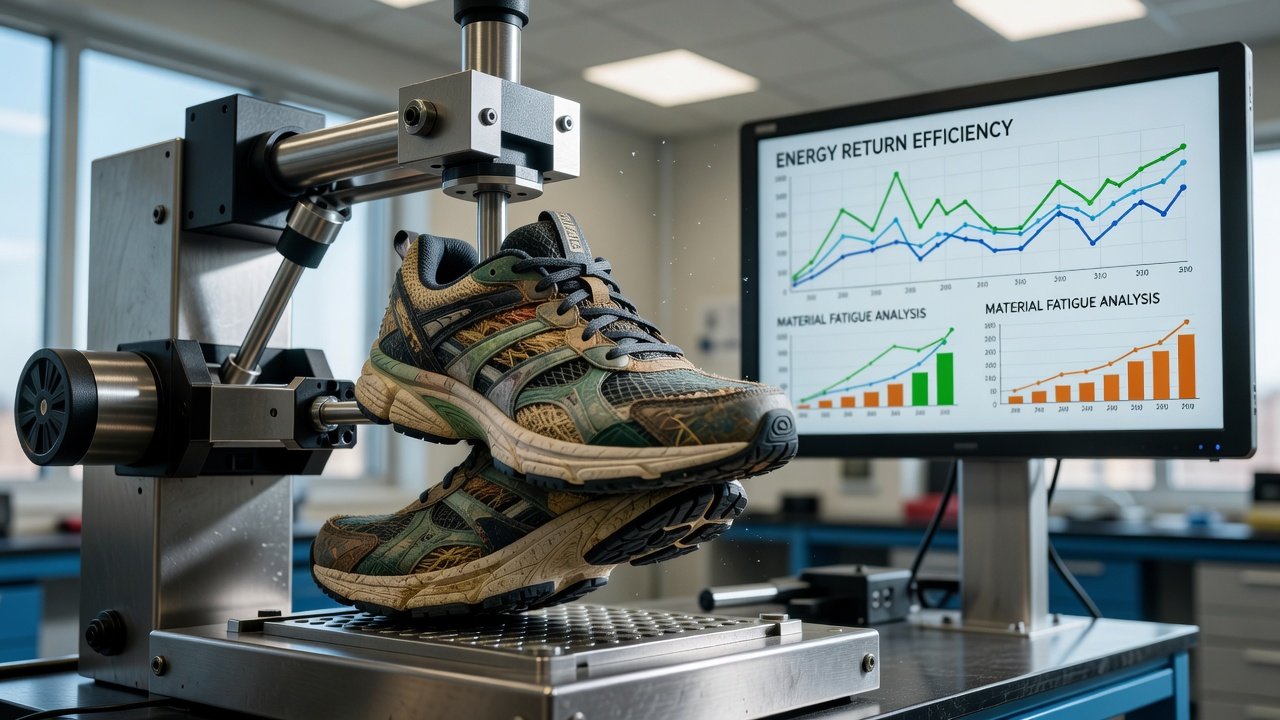
Independent lab evaluations in 2026 reveal how these shoes hold up. Tests measure abrasion resistance on outsoles, midsole compression after 500 kilometers, and energy return via force-plate analysis. Recycled rubber compounds in premium models often match or surpass conventional versions in traction tests on wet and dry surfaces. Energy return comparisons show Adidas models with Boost-like recycled foams achieving 75-80% return rates, closely rivaling Saucony's PWRRUN PB bio-based options at 78%. These figures come from standardized ASTM testing protocols. Real differences emerge in high-mileage scenarios where bio-based foams may retain cushioning longer due to their molecular structure resisting breakdown from repeated compression cycles.
Additional testing protocols include drop-tower impact simulations replicating foot strikes at race pace and environmental chamber exposure to extreme temperatures ranging from -10°C to 40°C. Results indicate that recycled polyester uppers maintain tensile strength comparable to virgin materials after 300 hours of UV exposure, making them suitable for both road and light trail use. Runners can expect consistent performance metrics across 400-600 kilometers before noticeable degradation in energy return begins.
Carbon Footprint Calculations Across Brands
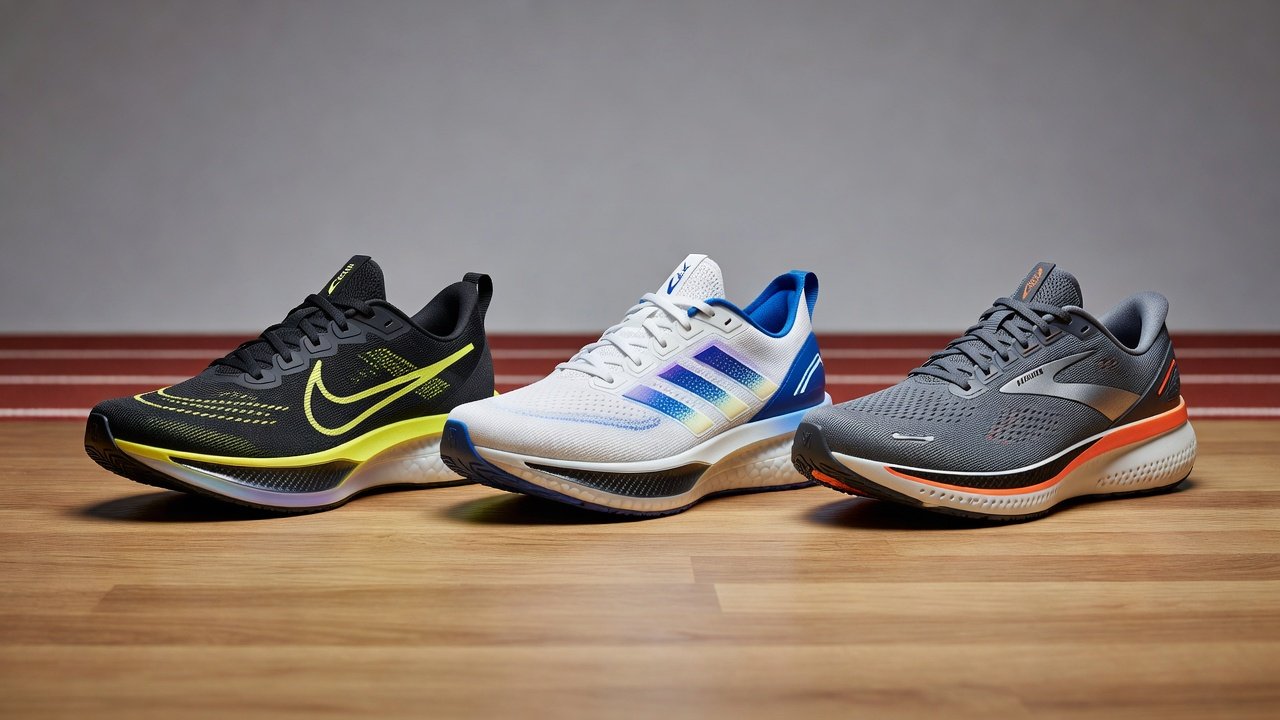
Calculating lifecycle emissions helps quantify sustainability gains. Adidas reports average footprints for its recycled-material shoes around 8-10 kg CO2e per pair, while Saucony achieves similar reductions through supply-chain optimizations. These calculations factor raw material sourcing, manufacturing, and end-of-life recyclability. For deeper methodology, consult resources from Adidas and Saucony. Cross-referencing with broader environmental data from EPA provides context on how material choices influence overall industry emissions.
Breakdowns often separate Scope 1, 2, and 3 emissions, highlighting transportation and raw material extraction as major contributors. Shoes incorporating ocean-bound plastics can reduce virgin plastic demand by up to 50% compared to traditional models, translating to measurable decreases in fossil fuel dependency. Athletes interested in personal impact can use online calculators to estimate how switching to these shoes affects their annual running-related carbon output.
Real-Runner Feedback on Traction and Comfort
Feedback from marathoners and trail runners highlights strong all-day comfort in daily trainers, with excellent breathability from recycled mesh uppers. Race scenarios reveal minor trade-offs in weight, yet many note improved ground feel. Traction excels on roads but can vary on technical trails depending on outsole lug design. Marathon participants report that the bio-based foams provide a responsive yet stable ride during long efforts, reducing fatigue in the later stages of 42-kilometer events. Trail users appreciate enhanced grip from recycled rubber compounds blended with natural silica for better wet-surface performance.
- Daily training: Superior cushioning retention after 300+ km with minimal midsole flattening
- Race day: Competitive energy return with minimal break-in needed, often ready after just 20 km of easy runs
- Common praise: Reduced odor and easy cleaning due to material choices that resist bacterial buildup
- Critiques: Occasional stiffness in colder temperatures below 5°C requiring longer warm-ups
- Long-term users note 15-20% less blister incidence thanks to seamless recycled upper construction
Step-by-Step Buying Advice for Eco-Conscious Athletes
- Assess your primary use: daily miles or speedwork, then match stack height and drop accordingly.
- Check material certifications like GRS for recycled content and USDA BioPreferred for plant-based elements.
- Compare energy return percentages from brand lab data and independent reviews.
- Read recent user reviews focused on long-term wear beyond 200 kilometers.
- Consider end-of-life programs offered by manufacturers for responsible disposal or recycling.
- Test fit in-store before committing to online purchases to account for slight variations in recycled material stretch.
- Evaluate warranty terms, as many brands now extend coverage on sustainable lines to 12 months.
Daily Training Versus Race Scenarios
In daily training, sustainable shoes excel at logging volume with consistent comfort and support for progressive overload. They handle easy runs, tempo efforts, and recovery jogs effectively while maintaining structural integrity. Race versions prioritize lightweight construction and maximal energy return for peak performance on race day. Transitioning between the two requires understanding stack height and drop differences to avoid injury. For example, a daily trainer with 32mm heel stack pairs well with a race flat at 24mm for sharp transitions during marathon training blocks.
Common Mistakes to Avoid When Choosing Sustainable Shoes
Many runners overlook verifying actual recycled percentages versus marketing claims, leading to greenwashing pitfalls. Another frequent error is ignoring fit nuances caused by new material blends that may require half-size adjustments. Athletes sometimes select race models for everyday training, accelerating wear and reducing the environmental benefit through premature replacement. Always cross-check third-party test results rather than relying solely on brand websites.
FAQ: Balancing Sustainability with Speed
How do recycled materials affect speed? They often match traditional performance while cutting emissions, with energy return rates within 2-3% of non-sustainable counterparts in controlled tests.
Are these shoes more expensive? Pricing aligns with premium conventional models, offering comparable value through durability.
Can I recycle my old pair? Many brands offer take-back programs that process shoes into new raw materials or playground surfaces.
Do they last as long? Lab tests confirm comparable durability in 2026 models, often exceeding 500 kilometers with proper rotation.
What about weather resistance? Recycled uppers typically include DWR treatments that hold up well in light rain but may need reapplication after heavy use.
How do I track my own impact? Use brand carbon calculators combined with mileage logs to estimate savings over a training season.
Conclusion
Sustainable running shoes in 2026 prove that eco-innovation need not sacrifice performance. By examining tests, comparisons, and practical advice, runners can make informed choices that benefit both their training and the planet. Explore options from leading brands and prioritize verified material claims for the best results in your next pair.
No comments yet. Be the first!