 The Runner Story
Introduction to Uphill Power Hiking in Ultra Trail Running
Ultra trail runners face relentless elevation gains that can make or break a race. Power hiking offers an efficient alternative to running on steep grades, preserving energy while maintaining forward momentum. This guide expands on downhill mastery by focusing on uphill efficiency, injury prevention, and decision-making frameworks tailored for 2026 ultra events. In mountainous ultras, climbs often account for 40-60% of total race time, making mastery essential for competitive results and personal success.
Effective uphill technique reduces quad fatigue and minimizes impact on joints. Runners who master these skills often finish stronger in races with over 10,000 feet of climbing. The 2026 season features demanding courses like the Hardrock 100 and Cocodona 250, where strategic hiking separates podium contenders from the mid-pack. By refining posture, pole use, and pacing, athletes can shave hours off their times while lowering injury risk.
Body Positioning for Maximum Efficiency
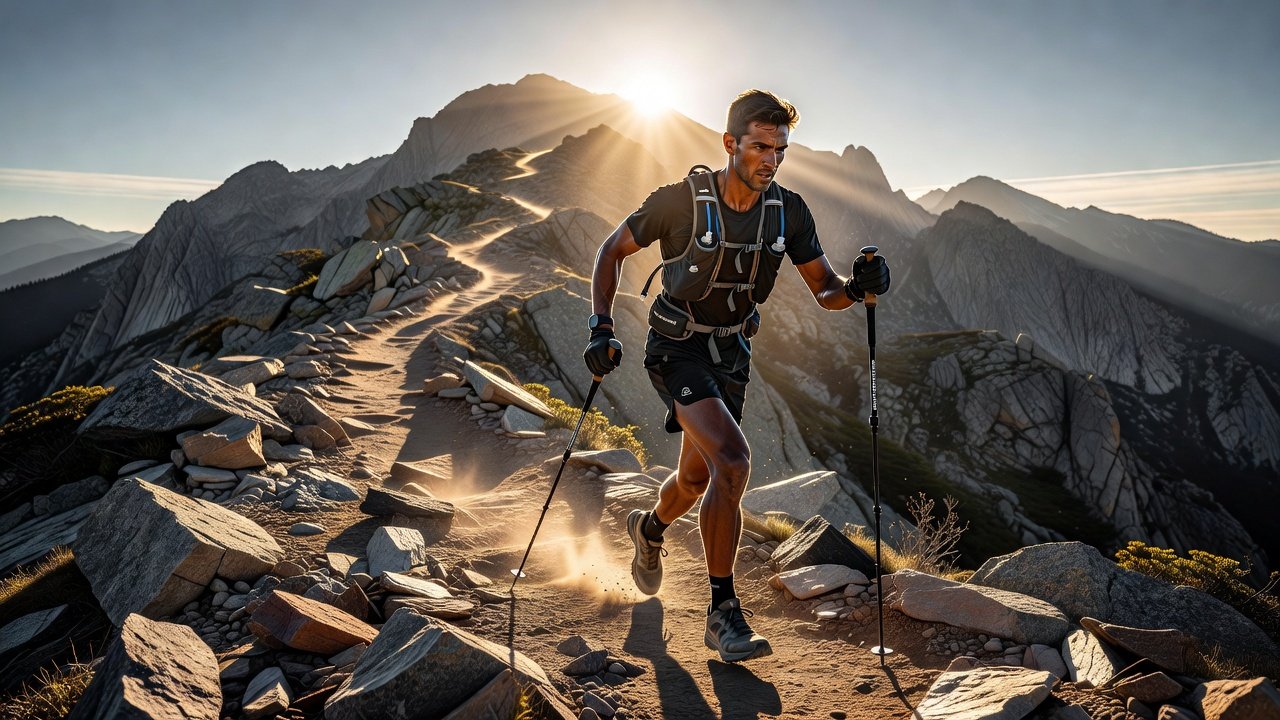
Optimal posture starts with a slight forward lean from the ankles, not the waist. Keep your chest open and shoulders relaxed to allow full lung expansion. Engage your core lightly to stabilize the pelvis and prevent excessive rocking that wastes energy. On technical terrain, look 5-10 feet ahead to anticipate foot placements rather than staring at your toes.
Hands should stay low when not using poles, swinging naturally to counterbalance leg drive. Avoid overstriding; instead, take shorter, quicker steps that keep your center of mass over your feet. Common errors include excessive forward bending at the hips, which compresses the diaphragm and increases lower back strain. Practice mirror drills at home to correct form before hitting the trails. In 2026 races, top athletes maintain this upright yet engaged position even on grades exceeding 25%, allowing sustained effort over multiple hours.
Integrating Trekking Poles Effectively
Poles extend your power output on climbs by engaging upper body muscles. Plant them at a 45-degree angle behind your body and push down firmly with each step. Alternate arm and leg drive in a rhythmic pattern similar to cross-country skiing. On very steep sections, use double-poling for extra propulsion while keeping one foot planted for stability.
Adjust pole length: shorter for steep technical terrain and longer for moderate grades. This integration can improve climbing speed by 15-20% in training tests while reducing lower-body strain. Consider lightweight carbon models for long ultras. Elite runners in events like UTMB demonstrate fluid pole integration that conserves leg power for later downhill sections. Avoid planting poles too far ahead, which disrupts rhythm and risks tripping.
Breathing Patterns and Rhythm
Sync breathing with footfalls using a 2:2 or 3:3 pattern on moderate climbs. Inhale through the nose for two steps and exhale through the mouth for two steps to maintain steady oxygen flow. On steeper sections, shift to a 1:1 pattern to avoid oxygen debt. Incorporate belly breathing to maximize diaphragm use and reduce shoulder tension.
Practice nasal breathing drills during easy runs to strengthen diaphragm endurance, a key factor in ultras lasting 8+ hours. Monitor via heart rate zones: stay below 85% max effort on climbs to avoid early burnout. Advanced runners combine this with visualization of smooth airflow. Real examples from 2026 training camps show athletes improving their climbing economy by 12% after focused breathing sessions.
Power Hiking vs Running: Decision Framework
Choose power hiking when grade exceeds 15-20% or when heart rate climbs above lactate threshold. Running is preferable on grades under 10% with good footing. Monitor effort using the talk test: if you cannot speak in full sentences, switch to hiking. Factor in surface conditions—loose scree favors hiking even on milder slopes.
Real-world examples from 2026 races like the Hardrock 100 and UTMB show top finishers hiking 60-70% of climbs over 2,000 feet. In the Cocodona 250, strategic transitions between hiking and running helped winners manage heat and altitude. Create personal decision trees based on your fitness data from training logs.
Step-by-Step Drills for Skill Development
- Posture drill: March in place with poles for 2 minutes focusing on lean and core engagement.
- Pole timing drill: Practice plant-and-push on a 10% incline for 5 minutes, counting consistent rhythm.
- Breathing ladder: Climb while counting breaths from 1:1 up to 4:4 and back down over 10 minutes.
- Transition drill: Alternate 30 seconds hiking and 30 seconds running on rolling hills for 20 minutes.
- Weighted progression: Add a 10-15 lb pack and repeat hill repeats for race specificity.
- Technical terrain drill: Navigate rocky sections while maintaining form for 15 minutes.
Progress these drills over 4-6 weeks, adding weighted vests for specificity. Track improvements with timed segments on familiar hills.
Gear Comparisons for Traction and Support
Trail shoes with aggressive lugs like the Hoka Speedgoat series provide superior grip on loose terrain compared to road-oriented models. Pair them with carbon fiber poles weighing under 300 grams each for efficiency. 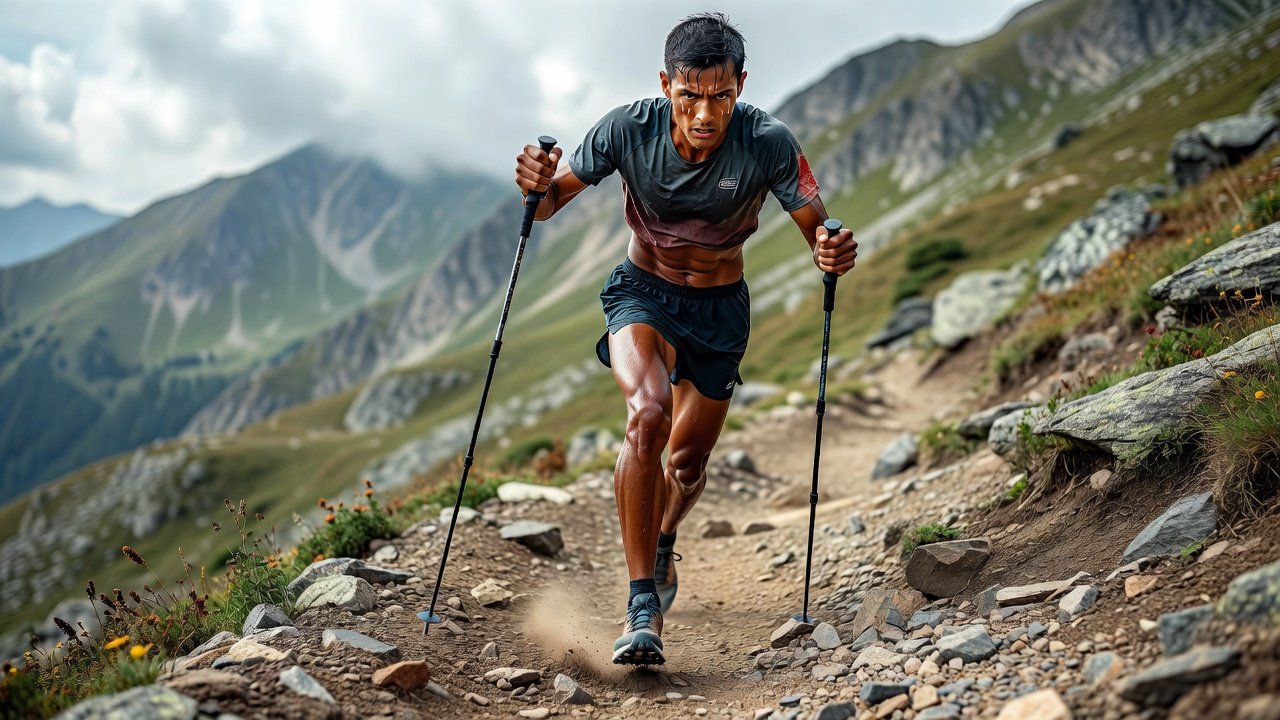
Consider micro-spikes for icy sections common in early-season mountain ultras. Gaiters prevent debris entry on long climbs. Test combinations in varied conditions to find what works for your biomechanics. Many 2026 competitors favor hybrid traction systems that adapt to mud and rock without adding weight.
Training Progressions and Practical Checklists
Begin with weekly hill repeats of 8-12 minutes at moderate effort. Build to back-to-back long runs with 3,000+ feet of climbing. Include strength sessions twice weekly focusing on glutes, hamstrings, and calves. An 8-week plan might start with 2 hill sessions and progress to 4, incorporating recovery weeks.
- Pre-climb checklist: Adjust poles, reset breathing, scan footing 10 feet ahead, check hydration.
- Post-run checklist: Stretch hip flexors, log effort data, hydrate immediately, review form notes.
- Weekly review: Assess climb times, note fatigue points, adjust volume.
Common mistakes include leaning too far forward, overusing poles, and ignoring early fatigue signals. Address these through video analysis and coach feedback.
Injury Prevention and Mental Strategies
Strengthen supporting muscles with single-leg squats and calf raises to handle repetitive stress. Incorporate mobility work for hips and ankles after every session. Mental aspects include breaking climbs into segments and using mantras to maintain focus during tough sections.
Nutrition timing—small sips of electrolytes every 15 minutes—supports sustained power on long ascents. Examples from 2026 ultras highlight how athletes who neglected these details suffered cramps and slowdowns.
FAQs on Uphill Mistakes
How do I prevent knee pain on climbs? Maintain shorter steps and strengthen quads with eccentric exercises three times weekly.
Should I use poles in all ultras? Only if the race profile has sustained climbs; test in training first.
What about race examples from 2026? Athletes in the Cocodona 250 demonstrated power hiking strategies that saved legs for later stages.
How long until I see improvements? Consistent practice yields noticeable gains in 4-6 weeks for most runners.
Can beginners apply these techniques? Yes, start with shorter hills and focus on form before adding intensity.
Explore further resources at Runners World, iRunFar, and World Athletics for additional ultra insights.
Conclusion
Mastering uphill power hiking transforms ultra performance by blending efficiency, strength, and smart pacing. Integrate these techniques progressively and you will conquer steep climbs with greater confidence and fewer injuries in the 2026 season and beyond.
No comments yet. Be the first!