 The Runner Story

Introduction: Connecting Nutrition and Running Drive
Many runners hit a wall not from physical limits but from inconsistent energy and waning motivation. Mindful eating bridges this gap by aligning nutrition choices with training demands, helping sustain long-term fitness journeys. This approach emphasizes awareness of hunger cues, nutrient quality, and timing to prevent burnout while enhancing performance and enjoyment on the run. Runners seeking holistic strategies often overlook how daily food decisions directly impact mental resilience. By focusing on intentional choices, athletes can maintain steady motivation without relying on quick fixes or fad diets.
The connection between what you eat and how motivated you feel to lace up your shoes runs deeper than simple calorie counting. Mindful eating encourages presence during meals, helping identify which foods truly support endurance versus those that cause sluggishness. Over time, this awareness builds a foundation for consistent training and personal records.
Pairing Specific Foods with Runs for Lasting Energy
Choosing the right foods before, during, and after runs optimizes glycogen stores and supports recovery. Pre-run meals should feature complex carbohydrates paired with moderate protein, such as oatmeal topped with banana and almond butter. This combination provides sustained fuel without digestive discomfort. For morning runs, try whole-grain toast with avocado and a boiled egg to deliver quick yet steady energy.
During longer efforts exceeding 90 minutes, portable options like dates stuffed with nut butter or energy gels made from natural ingredients keep blood sugar stable. Post-run recovery benefits from foods rich in antioxidants and protein. A smoothie blending berries, Greek yogurt, and spinach replenishes electrolytes and aids muscle repair. Real-world examples from everyday athletes show that consistent pairing reduces mid-week fatigue, keeping motivation high throughout training cycles. Experiment with combinations like sweet potato with black beans for dinner the night before a long run to maximize next-day performance.
Timing Meals for Peak Performance
Strategic meal timing prevents energy crashes and supports hormonal balance. Consume a balanced meal 2-3 hours before a long run to allow digestion. For shorter sessions, a light snack 30-60 minutes prior works well, focusing on easily digestible carbs like a banana or rice cakes. Evening runs require adjusting dinner timing to avoid heavy meals close to bedtime, which can disrupt sleep and recovery.
Interval training days benefit from a small carb-rich snack 45 minutes before starting to fuel high-intensity bursts. Recovery days call for even spacing of protein intake across meals to support muscle repair without overloading the system. Research from Mayo Clinic highlights how proper nutrient timing enhances endurance and reduces perceived effort during workouts. Tracking how different timings affect your energy journal can reveal personalized patterns that boost overall running motivation.
Step-by-Step Meal Planning Guidance
Building a mindful meal plan starts with weekly assessment of training volume. Follow these steps for effective planning:
- Track current energy levels and note patterns linked to meals over seven days.
- Select 3-4 core meals that combine carbs, proteins, and healthy fats tailored to your preferences.
- Prep ingredients in advance, such as chopping vegetables or batch-cooking grains like quinoa and brown rice.
- Adjust portions based on run intensity, increasing carbs on high-mileage days while emphasizing protein on strength-focused sessions.
- Incorporate variety to prevent boredom, rotating between sweet and savory options.
- Review and refine the plan weekly to align with motivation goals and any new training demands.
This structured approach turns nutrition into a reliable tool for sustained running motivation. A sample weekly plan might include overnight oats for breakfast on easy days, grilled salmon with vegetables for dinner after long runs, and yogurt parfaits as afternoon snacks.
Plant-Based vs Balanced Diets: A Practical Comparison
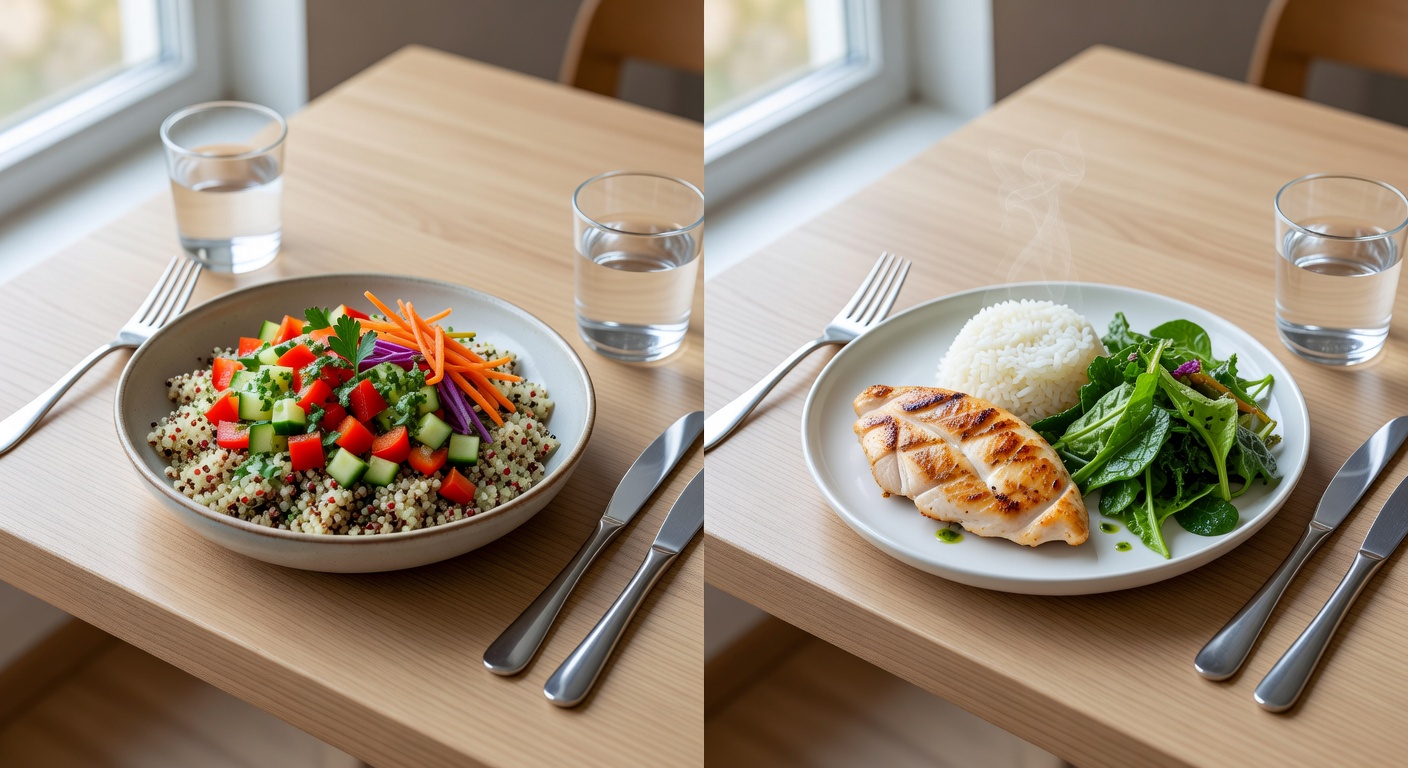
Plant-based diets emphasize whole foods like legumes, grains, and vegetables, offering high fiber and anti-inflammatory benefits ideal for recovery. They often lead to improved digestion and lower inflammation markers during heavy training blocks. Balanced diets incorporate lean meats, dairy, and eggs for complete proteins with faster absorption, supporting quicker strength gains and satiety.
Many runners thrive on a hybrid model, blending both for variety and nutrient density. Pros of plant-based include better heart health and environmental alignment, while balanced diets provide convenience for busy schedules. Transition tips include starting with one plant-based meal daily and monitoring energy response. Everyday athletes report that plant-focused options reduce inflammation during heavy training weeks, while balanced intake supports quicker strength gains. Choose based on personal tolerance and performance feedback rather than trends.
Real-World Examples from Everyday Athletes
Consider Sarah, a busy professional who incorporated mindful snacks like apple slices with peanut butter before evening runs. Her motivation improved dramatically after two weeks, allowing consistent 5K training without afternoon slumps. Similarly, Mark shifted to timed carb-loading for weekend long runs and noticed fewer cravings, maintaining drive through marathon prep.
Another example comes from Lisa, a trail runner who adopted a mostly plant-based approach with mindful evening meals of lentil stew and sweet potatoes. This change helped her conquer longer distances without the usual post-run exhaustion. David, recovering from a minor injury, used balanced diet timing with eggs and whole grains to rebuild strength while staying motivated through modified training plans. These stories illustrate how small, intentional changes compound into lasting fitness progress without extreme overhauls.
Building a Mindful Mindset for Long-Term Success
Beyond food selection, cultivating mindfulness during meals enhances the overall experience. Practice eating without distractions like phones or screens to better recognize fullness signals. Journaling post-meal feelings connects nutrition directly to running performance, revealing what fuels motivation best. This mindset extends to grocery shopping, where choosing whole ingredients becomes an act of self-care rather than obligation.
Over months, runners develop intuition for their bodies, leading to fewer missed workouts and greater enjoyment. Integrating short breathing exercises before meals can further ground the practice and reduce stress-related eating.
Overcoming Common Hurdles: FAQ
How do I handle cravings during training?
Address cravings by planning satisfying yet nutritious alternatives, such as dark chocolate with nuts instead of processed sweets. Mindful pauses before eating help distinguish true hunger from habit or boredom.
What if meal timing conflicts with my schedule?
Flexibility is key—shift to portable options like energy bars or overnight oats. Focus on overall daily intake rather than perfect windows to keep motivation intact.
Can mindful eating really prevent burnout?
Yes, by stabilizing blood sugar and supporting recovery, it reduces physical and mental fatigue. Consistent practice builds a positive feedback loop with running routines.
Is it necessary to count calories while practicing mindful eating?
No, the focus remains on quality and awareness rather than strict numbers. Listen to body signals for portion guidance instead.
How long until I notice motivation improvements?
Many athletes report shifts within one to two weeks of consistent application, with deeper benefits emerging after a full training cycle.
Conclusion
Mindful eating transforms nutrition from a chore into a powerful ally for running motivation. By applying food pairings, precise timing, structured planning, diet comparisons, and mindset practices, runners create sustainable habits that fuel both body and mind. Start small, track results, and enjoy the renewed drive in your fitness journey. For broader wellness insights, explore resources at CDC and World Health Organization.


No comments yet. Be the first!