 The Runner Story

Introduction: The Overlooked Link Between Rest and Running Drive
Many runners focus on mileage, gear, and nutrition while overlooking sleep as a core driver of motivation. Poor rest disrupts dopamine regulation, making it harder to lace up shoes consistently. This article dives deep into how quality sleep supports exercise adherence, offering runner-specific strategies that emphasize simple, non-tech approaches for sustainable energy. Understanding this connection can transform sporadic training into reliable progress over months and years.
Runners often chase external factors like new shoes or training apps, yet the foundation of consistent motivation lies in nightly recovery. Without adequate rest, even the most dedicated athletes experience diminished drive. By addressing sleep directly, you create a positive feedback loop where better rest fuels stronger workouts and greater enjoyment of the fitness journey.
The Science: Sleep, Dopamine, and Exercise Adherence
Quality sleep directly influences dopamine levels, the neurotransmitter tied to reward and motivation. Research from the National Institutes of Health shows that sleep deprivation lowers dopamine sensitivity, reducing the drive to exercise. For runners, this means skipped workouts and stalled fitness journeys. Consistent rest, by contrast, enhances recovery and mental resilience, helping maintain long-term adherence to training plans. When dopamine pathways function optimally, the anticipation of a run feels rewarding rather than burdensome.
Studies link 7-9 hours of nightly sleep to better endurance and lower perceived effort during runs. When sleep suffers, cortisol rises and motivation dips, creating a cycle that derails progress. Deeper slow-wave sleep stages repair muscle tissue and consolidate motor learning, which directly translates to smoother form and reduced injury risk on subsequent runs. Runners who consistently hit these sleep targets report feeling more eager to train because their bodies and minds associate exercise with positive outcomes rather than fatigue.
Runner-Specific Sleep Hygiene Routines
Effective sleep hygiene for runners avoids heavy tech reliance. Start with a consistent bedtime aligned to your training schedule. Dim lights an hour before bed and avoid intense evening runs within three hours of sleep. Create a cool, dark bedroom environment using blackout curtains and breathable bedding. Limit caffeine after midday and opt for light evening meals to prevent digestive discomfort during rest. These steps help regulate circadian rhythms that control both energy levels and the desire to move.
Wind-down activities like gentle stretching or reading help signal the body for sleep without screens. Incorporating a short walk after dinner can further aid digestion and lower evening cortisol. Runners who adopt these habits notice improved morning alertness, making early runs feel natural instead of forced. Over time, the routine itself becomes a cue that prepares both body and mind for the next day’s training session.
Real-World Examples of Athletes Transformed by Better Rest
Elite marathoners often credit improved sleep for breakthroughs. One recreational runner reported shifting from inconsistent training to completing a half-marathon after prioritizing 8 hours nightly for two months. Another ultra-runner reduced injury downtime by establishing a strict pre-bed routine, noting heightened morning motivation. These stories highlight how rest turns sporadic efforts into steady fitness gains. A third example involves a busy professional who began sleeping earlier and found she could maintain a four-day running schedule without the previous burnout that had derailed her goals every few weeks.
These transformations rarely happen overnight. Most athletes notice subtle shifts within the first week, such as waking without an alarm and feeling genuinely eager for movement. The common thread is patience combined with simple consistency rather than drastic lifestyle overhauls.
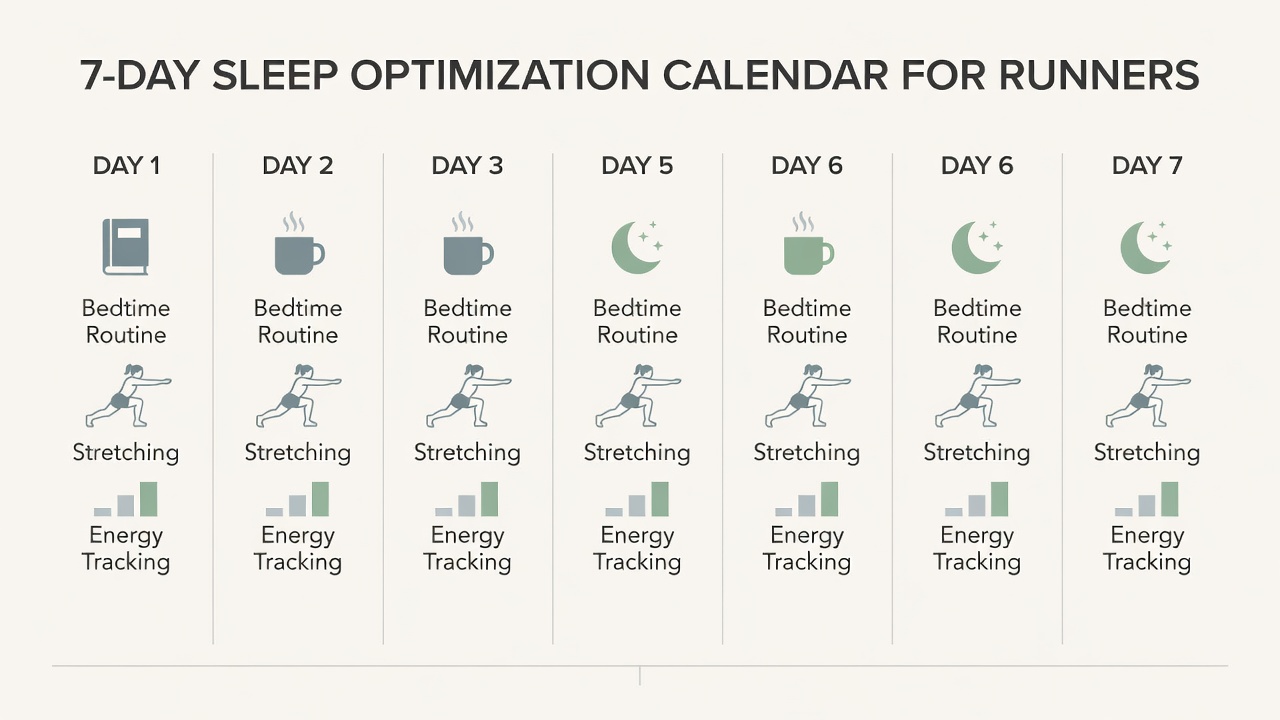
Step-by-Step 7-Day Sleep Optimization Plan
Follow this practical plan to boost running motivation:
- Day 1: Set a fixed bedtime and wake time; track how you feel during your next run. Note any differences in perceived effort.
- Day 2: Create a dark sleep space and avoid screens 60 minutes before bed. Replace phone time with light reading or journaling.
- Day 3: Incorporate 10 minutes of light stretching post-dinner to release tension from the day’s activities.
- Day 4: Cut caffeine by 2pm and note any changes in sleep onset or depth of rest.
- Day 5: Eat a balanced evening meal low in heavy spices and focus on hydration earlier in the afternoon.
- Day 6: Practice deep breathing for 5 minutes before lights out to quiet racing thoughts about upcoming runs.
- Day 7: Review the week, adjust as needed, and repeat successful steps while adding one new element like a short evening walk.
Track motivation levels daily through simple journal notes to see correlations with better rest. Many runners discover that even small adjustments compound quickly into noticeable improvements in both energy and consistency.
Comparing Common Sleep Disruptors vs. Effective Fixes
- Disruptor: Late-night screen time — Fix: Replace with paper books or dimmed reading lights to protect melatonin production.
- Disruptor: Evening caffeine or alcohol — Fix: Switch to herbal tea and maintain hydration earlier in the day to avoid nighttime awakenings.
- Disruptor: Inconsistent schedule — Fix: Anchor sleep to the same hours regardless of run days to stabilize circadian rhythms.
- Disruptor: High-stress thoughts — Fix: Use a brief gratitude list to clear the mind before bed.
- Disruptor: Overly warm bedroom — Fix: Keep the room between 60-67 degrees Fahrenheit with a fan for airflow.
These swaps promote deeper rest without complex gadgets and directly support the mental drive needed for regular running.
Tracking Sleep and Performance Correlations Simply
Instead of apps, use a basic notebook to log bedtime, wake time, and run feel. Note energy levels on a 1-10 scale. Over weeks, patterns emerge showing how earlier bedtimes align with stronger motivation and smoother runs. This low-tech method keeps focus on natural habits. Runners often discover that nights with earlier bedtimes correlate with lower perceived exertion and fewer mid-run mental battles. Reviewing notes monthly helps refine the routine further without added complexity.
FAQ: Addressing Myths Like Napping Benefits for Runners
Does napping improve running motivation?
Short 20-minute naps can aid recovery on rest days but may interfere with nighttime sleep if taken late. Limit them to early afternoon and test personally for motivation effects. Some runners find a brief rest refreshes them for evening training, while others prefer consolidating all sleep at night.
Is it true that more sleep always means better runs?
Quality matters more than quantity. Oversleeping without routine can leave you sluggish; aim for consistent 7-9 hours tailored to your needs. Individual requirements vary based on training volume and life stress.
Can weekend catch-up sleep fix weekday deficits?
Irregular patterns disrupt circadian rhythms. Consistent nightly rest outperforms sporadic long sleeps for steady motivation and performance gains.
How does poor sleep affect injury risk in runners?
Sleep deprivation impairs coordination and slows tissue repair, increasing the likelihood of overuse injuries. Prioritizing rest serves as an often-overlooked form of injury prevention.
Conclusion: Prioritize Rest for Lasting Motivation
Sleep serves as the hidden foundation for running motivation and fitness success. By adopting simple hygiene practices, following the 7-day plan, and addressing disruptors directly, runners can build sustainable consistency. Start small tonight to unlock greater drive on tomorrow’s runs. For further reading, visit authoritative sources like National Institutes of Health, Centers for Disease Control and Prevention, and Mayo Clinic.


No comments yet. Be the first!