 The Runner Story

Introduction: Restarting Your Running Journey Post-Injury
Returning to running after an injury often feels daunting, with physical setbacks compounded by mental hurdles like fear of re-injury and loss of routine. This guide focuses on practical psychological and physical recovery methods to help runners rebuild motivation sustainably. By addressing mental barriers early and following structured protocols, you can create lasting habits that support fitness goals without rushing recovery. Many runners find that the period after injury becomes an opportunity to develop smarter training practices that prevent future issues and foster deeper appreciation for the sport. Understanding that motivation fluctuates naturally allows for a more compassionate approach to getting back on track.
Assessing Mental Barriers to Running Motivation
Many runners experience anxiety or doubt when resuming activity. Start by journaling current feelings about running and identifying specific fears, such as pain recurrence or performance decline. Break these down into manageable parts by noting past successes and current physical capabilities assessed by a medical professional. This honest evaluation forms the foundation for progress, allowing targeted approaches to rebuild confidence through consistent small actions rather than overwhelming goals. Consider creating a fear hierarchy where you rank concerns from mild to severe and tackle them one at a time with evidence from your recovery progress. Regular reflection sessions, perhaps weekly, help track shifts in mindset and prevent negative thought patterns from taking hold. Professional mental health support, such as speaking with a sports psychologist, can provide additional tools for reframing setbacks as temporary learning experiences.
Gradual Return-to-Run Protocols
Physical recovery requires patience and progression. Consult a doctor or physical therapist before beginning any plan. Begin with low-impact activities like walking or cycling to rebuild base fitness, then incorporate short run intervals only when cleared. Focus on form, warm-ups, and listening to body signals to prevent setbacks. Sustainable habits emerge from respecting healing timelines, which vary individually but typically emphasize incremental increases in duration and intensity over weeks. Incorporate dynamic stretches and strength exercises targeting supporting muscles like the core and hips to reduce strain on previously injured areas. Monitor heart rate and perceived exertion to stay within safe zones, adjusting based on daily energy levels rather than rigid schedules.
Tracking Small Wins for Lasting Motivation
Consistency builds through recognizing incremental achievements. Use a simple notebook or app to log completed sessions, noting distance, time, and how you felt afterward. Celebrate milestones like completing three sessions in a week or maintaining good form throughout. These records highlight patterns of improvement and reinforce commitment by showing tangible evidence of advancement, fostering a positive feedback loop tied directly to daily efforts. For example, noting improved sleep quality after consistent movement or reduced stiffness can reveal broader wellness benefits beyond pace or distance. Review logs monthly to identify what environments or times of day boost your energy, then replicate those conditions to strengthen the habit further.
Integrating Support Networks
Isolation can erode motivation, so connect with running groups, online communities, or accountability partners. Share goals with trusted friends or join local clubs for scheduled runs at adapted paces. Professional guidance from coaches or therapists adds structure. Real-life examples include athletes like those recovering from common issues who credit peer support for maintaining momentum, demonstrating how shared experiences reduce perceived isolation and encourage adherence to recovery plans. Online forums hosted by established organizations offer safe spaces to ask questions and receive encouragement from others in similar situations. Building a small circle of two or three reliable contacts ensures regular check-ins that keep you accountable without overwhelming social demands.
Real-Life Examples of Successful Returns
Consider runners who faced stress fractures yet returned stronger by prioritizing rest phases and gradual buildups. One amateur marathoner documented restarting with walk-run intervals after six weeks off, eventually completing a half-marathon months later through steady tracking and group runs. Another trail runner overcame knee issues by focusing on cross-training support, illustrating that motivation rebounds when recovery integrates social and physical elements holistically. A third example involves a collegiate athlete who used injury downtime to study running form videos and later applied those insights to achieve personal bests upon return. These stories highlight common themes of patience, adaptation, and community involvement that translate well to everyday runners facing similar challenges.
4-Week Step-by-Step Return Plan
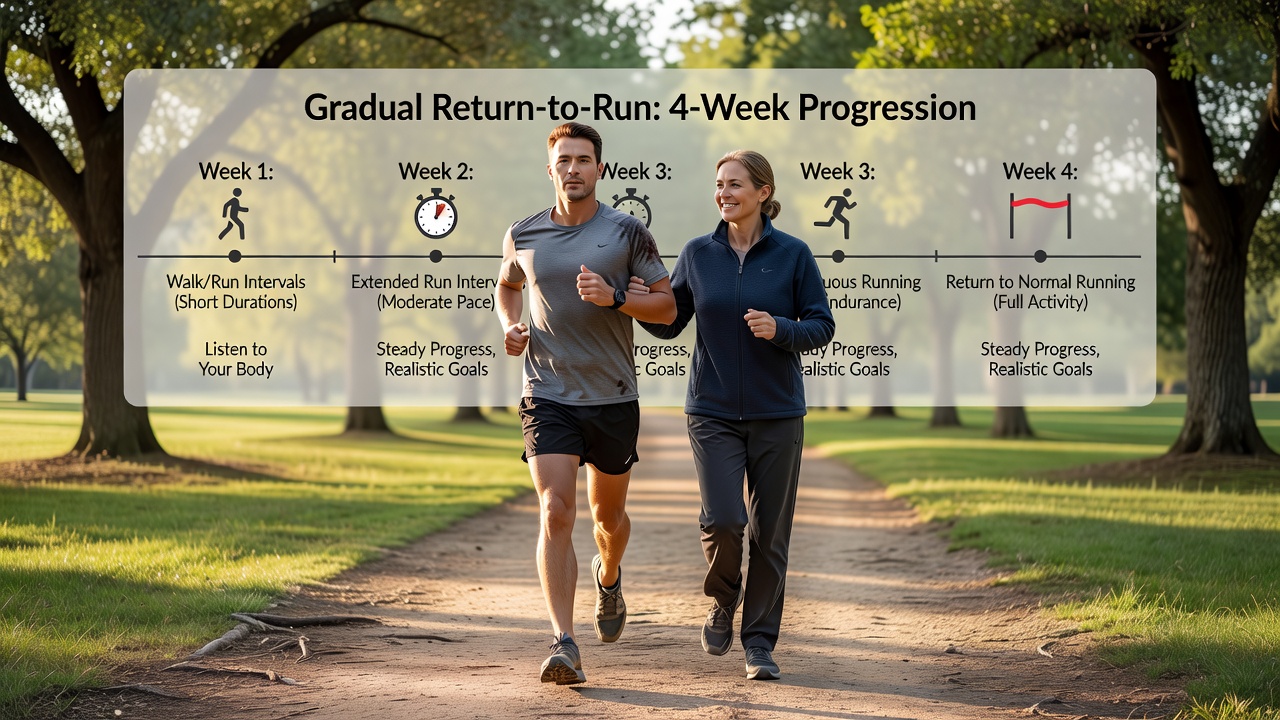
- Week 1: Focus on 3-4 sessions of brisk walking for 20-30 minutes, emphasizing recovery and mobility work. Assess comfort levels daily and incorporate gentle yoga or foam rolling on rest days to maintain flexibility.
- Week 2: Introduce short jog intervals (1-2 minutes) alternated with walking, totaling 25-35 minutes per session, 3 times weekly. Pay close attention to breathing patterns and surface choice to minimize impact.
- Week 3: Extend continuous running segments to 5-10 minutes, building to 30-40 minutes total, while monitoring for discomfort. Add one strength session focused on lower body stability to support joints.
- Week 4: Aim for 3-4 runs of 35-45 minutes with varied terrain if appropriate, incorporating rest days and strength exercises for support. Introduce one slightly longer effort to test endurance while maintaining conservative pacing.
Adjust based on individual response, always prioritizing form over speed. Keep a backup plan for indoor alternatives during poor weather to maintain consistency.
Importance of Sleep and Nutrition in Recovery
Quality sleep plays a critical role in tissue repair and mental resilience during the return process. Aim for consistent bedtimes and create a wind-down routine that includes light reading or stretching rather than screens. Nutrition supports this by providing adequate protein for muscle repair and anti-inflammatory foods like berries and leafy greens to manage swelling. Hydration remains essential, with many runners noticing improved recovery when they track daily fluid intake alongside training logs. These foundational elements amplify the effectiveness of the running plan itself.
Common Mistakes to Avoid
- Rushing intensity too soon, leading to setbacks that prolong recovery timelines.
- Ignoring rest days, which are essential for tissue repair and overall adaptation.
- Comparing progress to pre-injury levels instead of personal benchmarks, which can discourage steady gains.
- Neglecting strength training that complements running endurance and prevents imbalances.
- Skipping warm-up routines that prepare muscles and joints for activity.
- Overlooking early warning signs of fatigue or discomfort that signal the need for extra rest.
Building Long-Term Habits
Once the initial four weeks conclude, focus on embedding running into a broader lifestyle rather than treating it as an isolated goal. Schedule runs like important appointments and pair them with enjoyable elements such as scenic routes or post-run social time. Periodic reassessment every month helps refine goals and celebrate continued progress, turning recovery into a sustainable part of your fitness identity.
FAQ: Addressing Common Setbacks
How do I handle recurring fear of pain?
Reframe fear by reviewing medical clearance and starting at conservative paces, gradually exposing yourself to controlled runs to rebuild trust in your body over multiple successful sessions.
What if motivation dips mid-plan?
Revisit your win-tracking log and lean on support networks for encouragement, adjusting the plan if needed without abandoning it entirely while recognizing that dips are normal.
Is cross-training helpful during return?
Yes, activities like swimming or yoga maintain fitness and mental engagement while reducing impact on healing areas, often leading to better overall conditioning upon full return.
When should I seek professional help again?
If pain persists beyond mild discomfort or motivation issues feel overwhelming, consult your healthcare provider promptly for tailored advice and possible adjustments to the recovery approach.
How can I prevent future injuries?
Continue strength work, respect rest days, and gradually increase mileage by no more than 10 percent weekly once fully back into training routines.
Conclusion: Building Sustainable Running Habits
Rebuilding running motivation after injury combines mental assessment, gradual physical protocols, win tracking, and community support into a cohesive approach. By following the outlined 4-week plan and focusing on long-term consistency, runners can return stronger and more resilient. Resources like Mayo Clinic, CDC, and World Health Organization provide additional evidence-based insights to guide your journey forward.


No comments yet. Be the first!