 The Runner Story
Why Music is Your Ultimate Running Ally in 2026
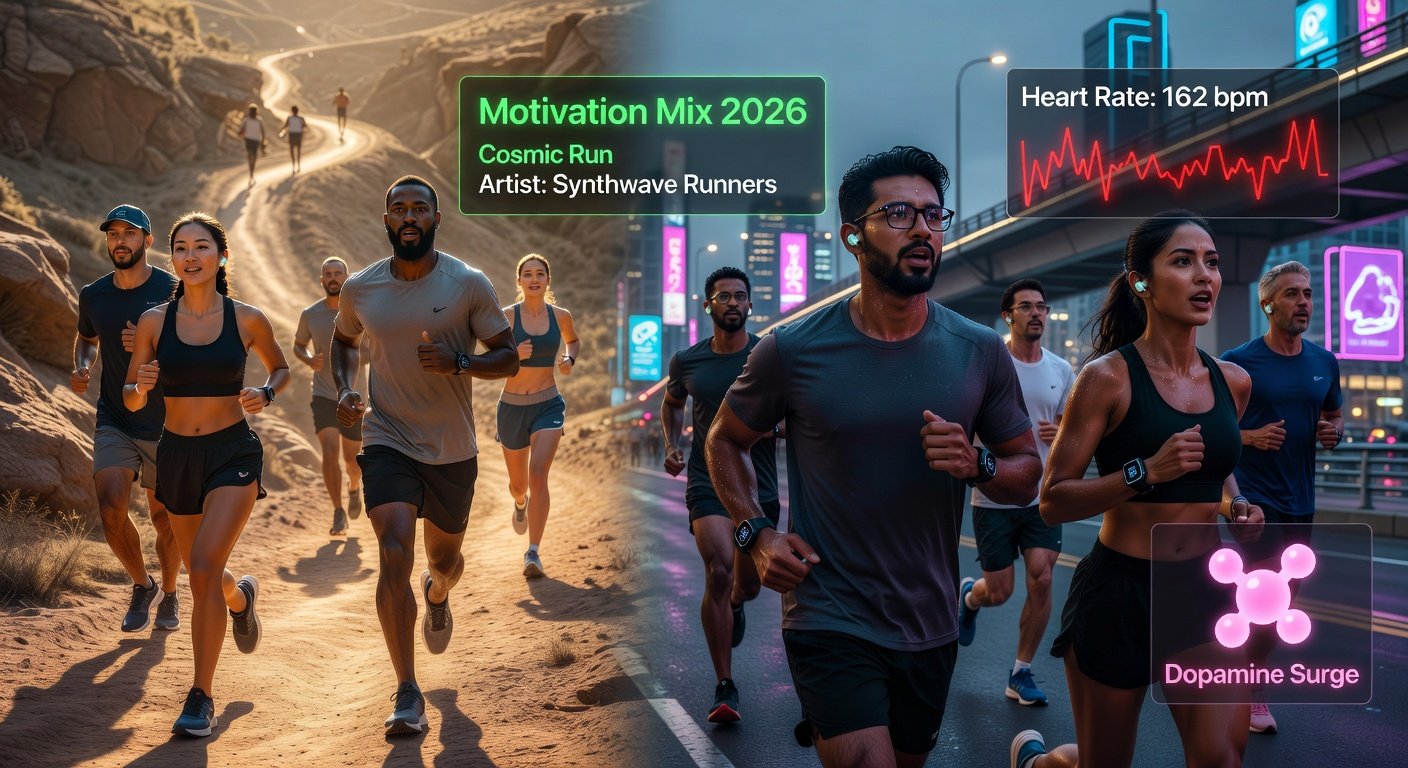
Running can be a grind, especially when boredom creeps in during those long miles or when motivation wanes mid-training cycle. But what if a simple playlist could transform your jog into an electrifying adventure? In 2026, with smarter streaming tech and personalized AI recommendations, crafting running motivation playlists has never been easier or more effective. This guide dives deep into the science, strategies, and real-world examples to help you power through your fitness journey.
Whether you're a beginner lacing up for your first 5K or a marathon veteran chasing a PR, music isn't just background noise—it's a performance enhancer. Studies show it can reduce perceived effort by up to 12% and boost endurance. We'll cover everything from dopamine-driven psychology to BPM syncing, top apps, runner success stories, a foolproof 5-step creation process, and FAQs on genres and tempos.
The Science: How Music Fuels Dopamine and Performance
Music's magic on runners boils down to neurochemistry and physiology. When you hit play on an upbeat track, your brain releases dopamine—the 'feel-good' neurotransmitter that combats fatigue and elevates mood. Research from PubMed highlights how rhythmic music synchronizes with your stride, lowering the rate of perceived exertion (RPE) during exercise.
A landmark study in the Journal of Sport and Exercise Psychology found that fast-tempo music (140-160 BPM) increased time to exhaustion by 15% in runners. It distracts from pain signals, enhances focus, and even improves oxygen uptake efficiency. For long-term journeys, consistent playlist use builds habit loops, making runs feel rewarding rather than punishing.
In 2026, with wearable integrations like advanced smartwatches syncing heart rate to tempo, music's impact is amplified. No more mismatched beats—your playlist becomes a dynamic coach.
Perfect BPM Recommendations for Every Pace
Matching music tempo to your cadence is key. Cadence is steps per minute (SPM); elite runners hit 180 SPM, but most average 160-170. Here's a breakdown:
- Warm-up (Easy Pace, 5-6 min/km): 120-130 BPM. Think chill indie or acoustic for gentle mobilization.
- Steady State (Zone 2, 4:30-5:30 min/km): 130-145 BPM. Pop or electronic to maintain rhythm without overexertion.
- Tempo Runs/Intervals (4:00-4:45 min/km): 145-160 BPM. High-energy rock or hip-hop to push thresholds.
- Sprints/Hills (Sub-4:00 min/km): 160-180+ BPM. Drum & bass or metal for explosive power.
- Recovery/Cool-down: 90-110 BPM. Soothing lo-fi or classical to ease heart rate.
Test your cadence with apps like Runkeeper or your watch's metronome. Aim for songs where the beat lands on your footstrike—it's like having a virtual pacer.
Top Playlist Apps for Runners in 2026
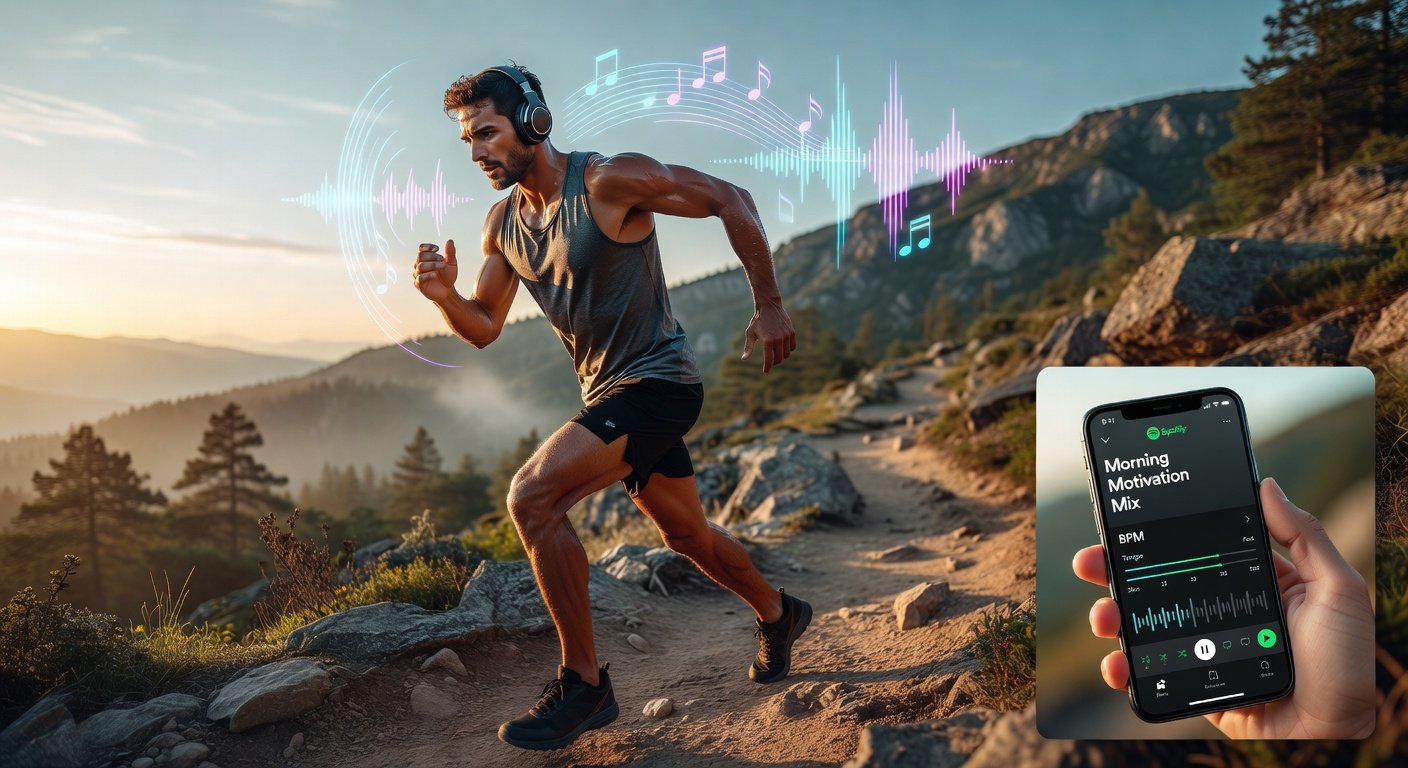
Streaming giants dominate, but runner-focused features set them apart. Spotify leads with 'Running' mode that auto-adjusts BPM to your pace via phone GPS. Create collaborative playlists with running groups or use AI-powered 'Daily Mixes' tailored to endurance vibes.
Apple Music shines for iOS users with seamless Apple Watch integration and spatial audio for immersive runs. Its 'Workout' playlist generator pulls high-BPM tracks effortlessly. Other contenders like YouTube Music offer free ad-light options, while Tidal appeals to audiophiles with hi-res sound that punches through wind noise.
Pro tip: Most offer free tiers with offline downloads, perfect for trail runs without signal.
Real Runner Stories: Before and After Playlist Magic
Meet Sarah, a 35-year-old half-marathoner from Colorado. Pre-playlist, her 10-mile long runs dragged at 9:30 min/mile pace, with frequent walk breaks due to mental fatigue. She crafted a 140 BPM Spotify playlist blending EDM drops and motivational rap. Result? She shaved 2 minutes per mile, finished her race strong, and now logs 40 miles weekly without burnout.
Then there's Mike, an ultra-runner prepping for a 50K. Boredom killed his trail motivation. Switching to genre-mixed playlists (punk for climbs, reggae for flats), he extended sessions from 2 to 5 hours. 'Music turned suffering into flow state,' he says. These stories echo thousands: playlists bridge the gap between 'have to' and 'want to' run.
5-Step Guide to Crafting Your Ultimate Running Playlist
Ready to build one? Follow this proven process:
- Assess Your Run Type: Log a session without music to note pace, distance, and mood killers.
- Select Core BPM Range: Use a site like songbpm.com to filter tracks matching your cadence.
- Diversify Genres: Mix 60% high-energy (rock, EDM), 30% motivational lyrics (hip-hop, pop), 10% cool-down. Avoid monotony—alternate tempos slightly.
- Curate Length and Flow: Aim for 45-90 minutes. Start slow, build to peaks, end reflective. Add voice cues like 'One more mile!'
- Test and Tweak: Run with it, note RPE drops. Share on running forums for feedback; iterate weekly.
Bonus: Use AI tools in apps for 'running playlist' prompts—they analyze your history for perfection.
Genre Pairings and Tempo Syncing Tips
Not all genres fit all runs. Pair wisely:
- EDM/House: Intervals—relentless builds mimic surges.
- Rock/Alternative: Hills—guitar riffs fuel grit.
- Hip-Hop/Rap: Steady tempo—lyrics inspire resilience.
- Pop: Easy runs—catchy hooks beat boredom.
- Instrumental/Classical: Trails—nature immersion without distraction.
Syncing pro moves: Enable 'speed sync' in apps or use Garmin/Apple Watch for real-time BPM shifts. Avoid over-reliance—unplugged runs build mental toughness.
Common Mistakes to Avoid
Don't blast the same 10 songs; rotation prevents habituation. Skip super-lyrical ballads—they slow subconscious pace. And never undervalue volume: 70-80% max prevents hearing strain while staying immersive.
FAQ: Your Running Playlist Questions Answered
Q: Can playlists help with race-day nerves?
A: Yes! Familiar tracks trigger confidence. Build a 'race mix' with PR songs.
Q: What's better for group runs, shared or individual?
A: Shared via Spotify Blend for harmony, but buds allow personalization.
Q: How often to refresh playlists?
A: Bi-weekly to keep dopamine fresh.
Q: Music for winter treadmill slogs?
A: High-BPM winter anthems like synthwave for endless belt motivation.
Q: Safe for all paces?
A: Absolutely—scale BPM to beginner 120s or elite 180s.
Power Up Your 2026 Runs Today
Playlists aren't gimmicks; they're science-backed tools for sustained motivation. Start with one run this week, follow the 5 steps, and watch boredom vanish. Your 2026 PRs await—hit play and go conquer those miles. What's your go-to running jam? Share in the comments!

No comments yet. Be the first!