 The Runner Story

Introduction: Finding Your Running Motivation Edge in 2026
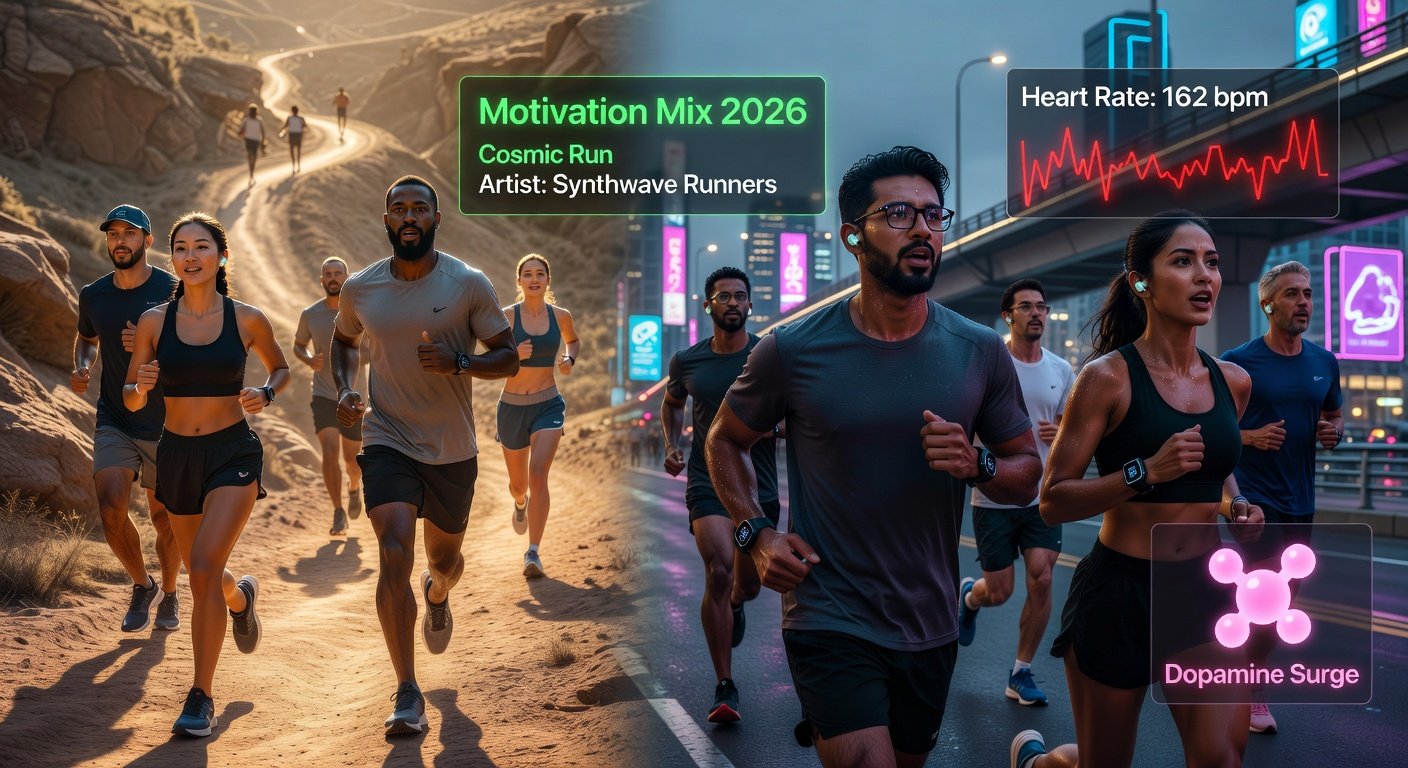
As we gear up for 2026, fitness journeys are evolving with smarter wearables, AI coaching apps, and community-driven challenges. But one timeless debate persists: Is solo running or group running better for sustaining motivation? Solo runs offer introspection and flexibility, while group runs provide accountability and social energy. This comprehensive guide compares both, shares practical tips, explores 2026 tech integrations, and helps you decide based on your personality, schedule, and goals. Whether you're training for a marathon or building daily habits, understanding these dynamics can transform your consistency.
We'll dive into pros and cons, real runner testimonials, hybrid strategies, and actionable steps to maximize motivation. By the end, you'll have a clear path to a motivated 2026.
Solo Running: The Power of Personal Introspection
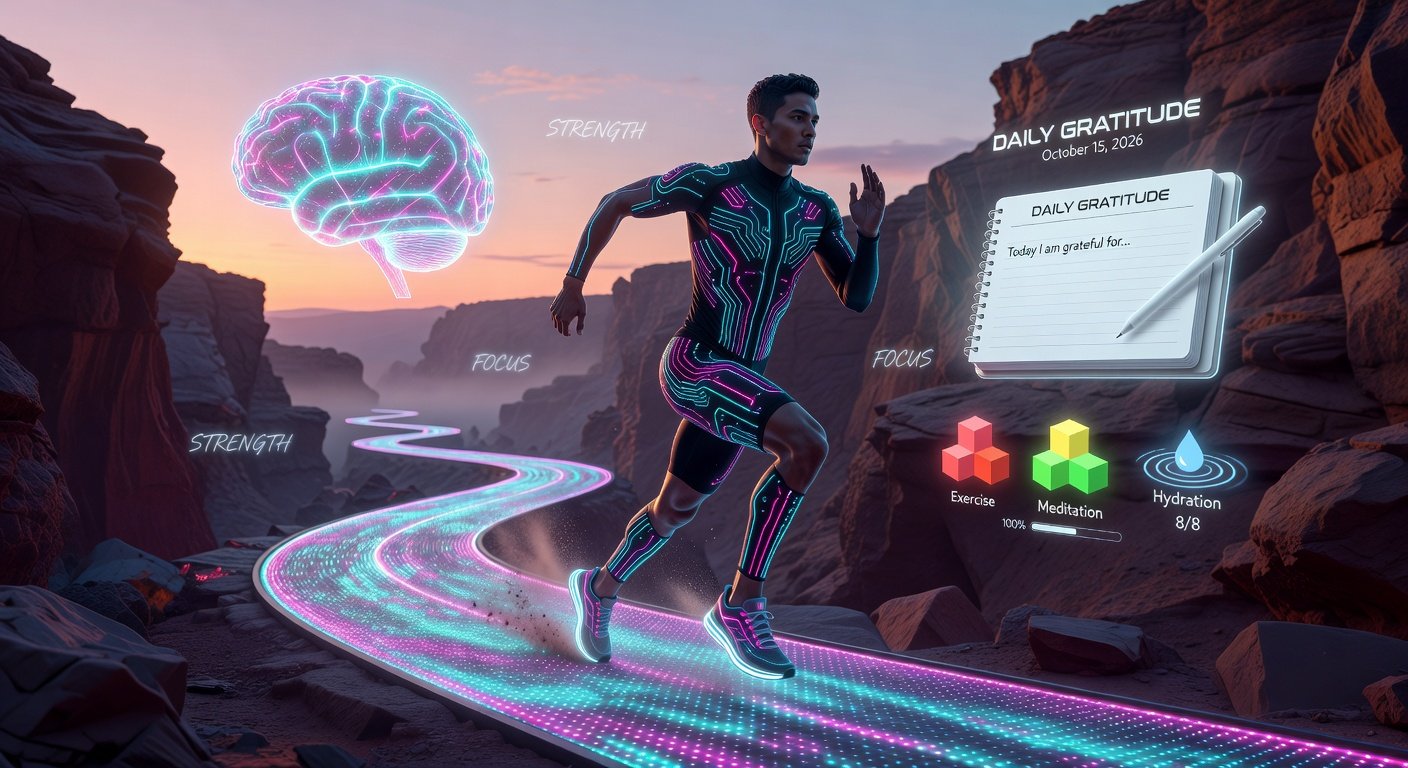
Solo running strips away distractions, letting you tune into your body, mind, and breath. It's ideal for those who thrive on self-reliance and need schedule flexibility. In a post-pandemic world, many runners rediscovered this independence, reporting higher long-term adherence.
Pros of Solo Running
- Flexibility: Run anytime, any distance, without coordinating schedules. Perfect for busy professionals or parents.
- Introspection and Mental Clarity: Use runs for podcasts, audiobooks, or meditation. Studies show solo exercise boosts creativity and problem-solving.
- Customization: Tailor pace, terrain, and intensity to your exact needs—no group compromises.
- Cost-Effective: No fees for clubs or events; just you, your shoes, and the road.
Cons and How to Overcome Them
The biggest pitfall? Motivation dips without external accountability. Solo runners might skip runs on tough days. Counter this with habit-stacking: Pair runs with coffee rewards or sunrise alarms. Track progress via apps to gamify your journey.
Practical Tips for Solo Runners
- Set Micro-Goals: Aim for 20-minute runs initially, building to 5K. Use the Strava app for segments and virtual races.
- Incorporate Variety: Alternate trails, hills, and intervals to prevent boredom.
- Mindful Playlists: Curate high-energy mixes or motivational speeches for rainy days.
- Journal Post-Run: Note wins and tweaks to build momentum.
Runner testimonial: "Solo runs let me process life stresses while hitting PRs. In 2023, I ran 1,000 miles alone—pure freedom." – Alex T., ultrarunner.
Group Running: Fuel from Social Accountability
Group runs harness the energy of shared suffering and triumph. Clubs, parkruns, or virtual communities create a tribe that pushes you further. For 2026, expect more hybrid groups via metaverse runs and AR challenges.
Pros of Group Running
- Accountability: Knowing others expect you minimizes no-shows. Research from the Runner's World community shows groups double consistency.
- Social Energy: Banter, tips, and post-run coffee boost endorphins beyond solo efforts.
- Paced Progression: Beginners learn form; elites get pushed by faster peers.
- Event Prep: Simulates race-day vibes, reducing anxiety.
Cons and Mitigation Strategies
Scheduling conflicts and mismatched paces can frustrate. Join flexible groups like weekly 6 AM meetups or apps matching by speed. If injured, pivot to walking groups.
Practical Tips for Group Runners
- Find Your Tribe: Use platforms like Meetup or local running stores for beginner-friendly groups.
- Buddy System: Pair with one reliable friend for mini-groups.
- Post-Run Rituals: Celebrate with group photos or shared Strava stories.
- Rotate Leaders: Take turns planning routes to keep it fresh.
Testimonial: "My group got me through marathon training. Their cheers during slumps were priceless." – Maria L., 2024 half-marathon finisher.

2026 Tech Integrations: Apps to Supercharge Both Styles
By 2026, AI-driven apps will personalize motivation. For solo runners, expect adaptive coaching like Nike Run Club's evolving plans. Groups? Real-time leaderboards and VR races.
- Solo Boosters: Peloton's audio-guided runs or Zwift for virtual solo adventures.
- Group Enhancers: Strava Clubs for challenges; MapMyRun for shared routes.
- Emerging 2026 Trends: Wearables like Garmin's AI 'motivation scores' and AR glasses overlaying virtual pacers or cheering avatars.
Integrate with health guidelines from the World Health Organization, aiming for 150 minutes weekly moderate activity.
Hybrid Approaches: The Best of Both Worlds
Why choose? 70% of consistent runners mix styles. Sample week: Solo speed sessions Tuesdays/Thursdays; group long runs Sundays.
Hybrid Tips
- Solo for recovery runs; groups for pushes.
- Virtual hybrids: Run solo but join live Zoom debriefs.
- Track ratios: Start 70/30 solo/group, adjust via journal.
Testimonial: "Hybrids keep me balanced—solo for zen, groups for fire." – Jordan K., fitness coach.
How to Choose Your Style: Personality, Schedule, and Goals
Personality Fit
- Introverts/Independent: Lean solo for recharge time.
- Extroverts/Social: Groups amplify your energy.
- Ambiverts: Hybrid wins.
Schedule and Goals
| Factor | Solo Best For | Group Best For |
|---|---|---|
| Schedule | Unpredictable shifts | Fixed evenings |
| Goals | Personal BQ | Race finishes |
| Experience | Seasoned | Beginners |
Assess: Take a two-week trial of each. Log motivation (1-10) daily.
Common Mistakes to Avoid
- Forcing unfit styles—leads to burnout.
- Ignoring weather/social cues.
- Neglecting recovery in groups.
FAQs
Q: Can groups help weight loss? Yes—accountability triples success rates per studies.
Q: Best apps for 2026? Strava, Nike Run Club; watch for AI integrations.
Q: How to motivate solo slumps? Virtual races or accountability texts.
Conclusion: Your 2026 Motivation Blueprint
Solo running excels in flexibility and self-discovery; groups shine in accountability and fun. For most, hybrids deliver peak motivation. Assess your traits, test both, leverage apps, and commit. Your 2026 fitness journey awaits—lace up and choose wisely for lasting results.
No comments yet. Be the first!