 The Runner Story
Night Trail Running Techniques for Ultra Success in 2026
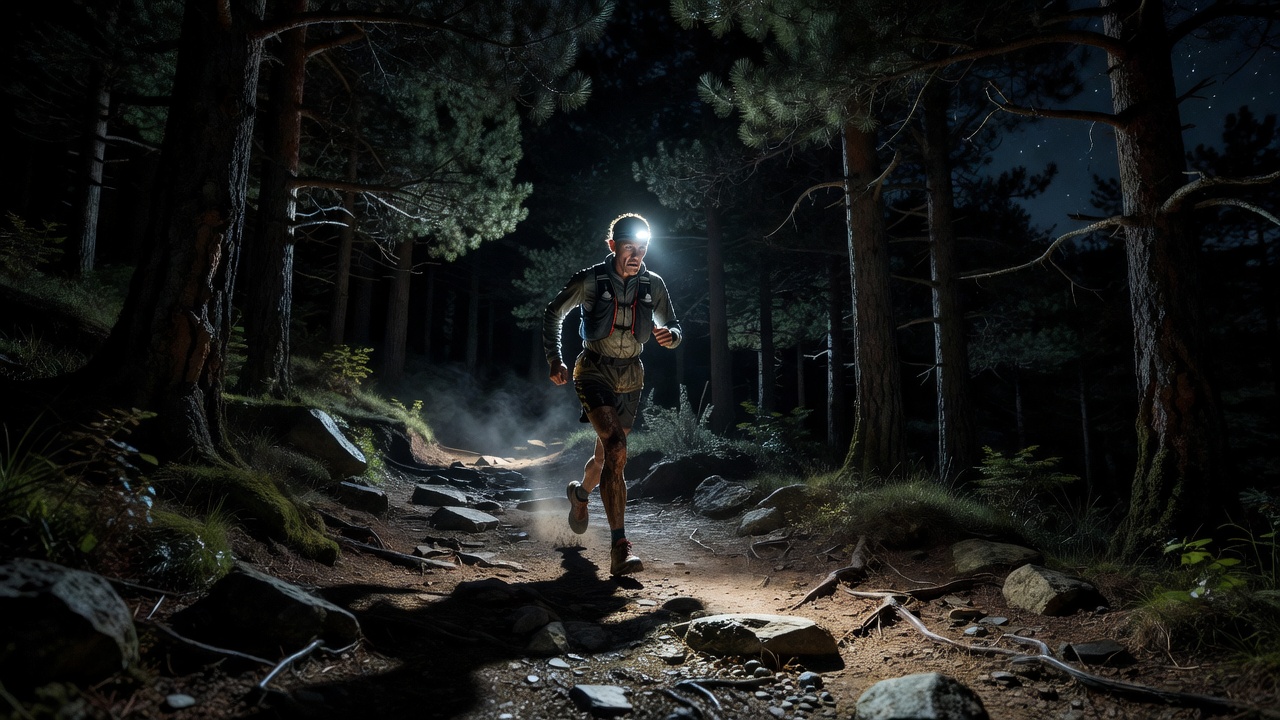
Extending training into the night opens new possibilities for intermediate runners targeting ultra distances. Low-light conditions demand specialized preparation that goes far beyond simply strapping on a light. This guide delivers practical, field-tested strategies to build confidence, reduce risk, and improve efficiency when the sun sets. In 2026, more ultras are incorporating mandatory night segments, making these skills essential for competitive success and personal safety on remote trails.
Selecting and Optimizing Your Headlamp Setup
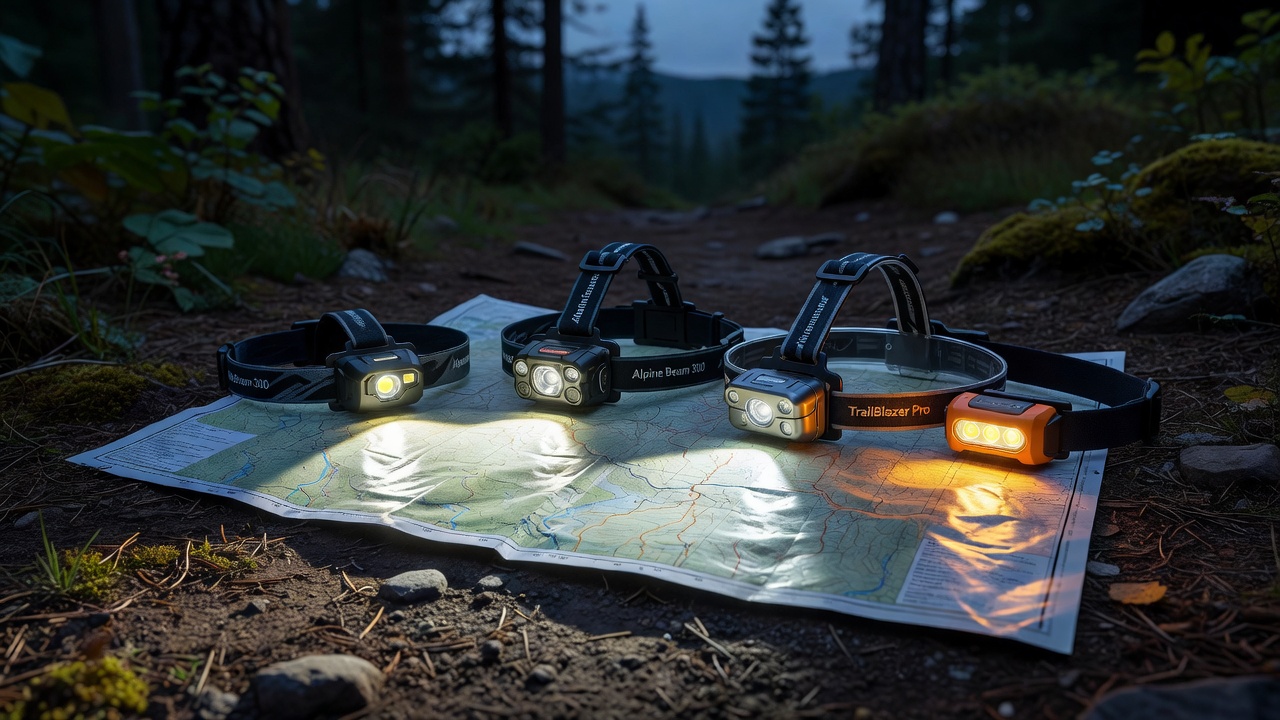
The right lighting system forms the foundation of safe night trail running. Look for models offering at least 500 lumens on high with multiple beam modes including spot, flood, and red-light options to preserve night vision. A balanced setup often combines a primary headlamp with a secondary waist or chest light to eliminate shadows and improve depth perception on uneven terrain. Consider weight distribution carefully, as heavier units can cause neck strain over 10-plus hour efforts.
Practice adjusting brightness on the move to match changing conditions like open ridgelines versus dense canopy. High beams drain power quickly, so reserve them for technical sections and switch to medium or low for steady climbs. Many 2026 athletes report success with hybrid rechargeable systems that allow swapping battery packs mid-run without stopping. Always inspect seals and clean contacts before long outings to prevent moisture-related failures.
Position the lamp slightly above eye level and angle it downward at 15–20 degrees. This reduces glare from reflective trail markers while highlighting roots and rocks. Test your full setup on familiar trails before race day to identify hot spots or slipping straps. Some runners add a small clip-on light to their pack for quick access during aid station stops.
Building Terrain Awareness Through Targeted Drills
Night running magnifies every irregularity in the trail. Develop heightened proprioception with weekly drills. Start with slow, deliberate walks over root-filled sections while focusing on foot placement. Progress to short intervals at race pace, pausing after each stumble to analyze what your light revealed too late. Incorporate balance work such as single-leg stands on uneven ground with your headlamp on to simulate fatigue.
Another effective exercise involves running with one eye covered for short stretches to simulate reduced depth perception, then switching sides. This trains both eyes to work independently when one is momentarily dazzled by a passing light or reflective surface. Record sessions on video when possible to review form and light positioning afterward.
Adjusting Pacing for Darkness
Most runners naturally slow down at night, but deliberate pacing adjustments prevent early fatigue. Target a 10–15% reduction in speed on technical descents compared with daytime efforts. Use perceived effort rather than GPS pace, since darkness distorts visual cues and can lead to overexertion. Monitor heart rate zones more closely and insert micro-breaks on flat sections to reset focus.
Break long climbs into micro-goals such as reaching the next switchback or tree line. This mental segmentation maintains forward momentum when visual feedback is limited. Incorporate short power hikes on steep grades to conserve energy while keeping heart rate steady. Review splits from past night efforts to set realistic expectations for 2026 races.
Wildlife Safety Protocols
Encounters with animals increase after dark. Carry a lightweight whistle and know the local species common to your training routes. Make noise at regular intervals on blind corners and avoid stopping in areas with recent wildlife activity reports. Learn basic avoidance behaviors from authoritative sources such as the National Park Service.
Store food and gels in scent-proof bags and never leave wrappers on the trail. If an animal approaches, slow down gradually, speak firmly, and back away without turning your back. Additional guidance is available through the U.S. Forest Service, which publishes seasonal wildlife advisories for popular trail systems. The Centers for Disease Control and Prevention also offers resources on preventing tick and insect exposure during extended night hours.
Step-by-Step Practice Routines
Follow this four-week progression to build night-running fitness safely. Track subjective feelings of fatigue and confidence after each session and adjust future workouts based on what felt most challenging.
- Week 1: Two 60-minute easy runs on familiar, well-marked trails using your full lighting setup. Focus purely on comfort and light positioning.
- Week 2: Add one 90-minute session that includes 20 minutes of deliberate technical terrain drills at the halfway point, plus a short nutrition test.
- Week 3: Incorporate a 2-hour night run with a short navigation segment using a map and compass or GPS watch in low-light mode, simulating course marking changes.
- Week 4: Complete a 3-hour night effort that simulates ultra segments, including a planned 10-minute gear check, battery swap, and mental reset exercise.
Comparing Popular Lighting Gear Options
- High-lumen single headlamps excel on open trails but can create harsh shadows in dense forest; they suit runners who prioritize simplicity.
- Hybrid headlamp-plus-chest-light systems provide the best depth perception and reduce eye strain over long hours, though they add slight bulk.
- Waist-mounted lights free the head for better peripheral vision yet require stable hip placement to avoid bobbing on rough terrain.
Many 2026 ultra participants combine two systems and carry a compact backup light in a vest pocket for redundancy during remote sections.
Real-World Examples from 2026 Night Segments
During the early-season night loop at a major 2026 ultra event, top finishers maintained consistent effort by rotating between medium and low beam settings every 30 minutes. One athlete credited pre-race night training on the exact course for shaving nearly 40 minutes off expected night-section times. Another runner avoided a potential ankle roll by recognizing a familiar root pattern illuminated only by her waist light, demonstrating the value of layered lighting.
A third competitor used red-light mode during a misty descent to maintain visibility without attracting insects, finishing the night portion ahead of projections. These examples highlight how small setup tweaks compound over multi-hour efforts.
Mental Preparation and Sleep Management
Night running challenges focus and motivation. Develop routines such as listening to podcasts during easier sections or using breathing techniques to stay alert. Manage pre-run sleep by napping strategically in the afternoon before night efforts. Many athletes keep a simple log noting energy levels at different hours to identify personal low points and plan caffeine or snack timing accordingly.
Frequently Asked Questions
How long do headlamp batteries typically last during ultras?
Most quality 500-lumen units provide 4–8 hours on medium settings. Always carry a spare battery or power bank rated for at least one full night segment.
What navigation tools work best in total darkness?
GPS watches with offline maps paired with a paper course map offer the most reliable backup when phone signals drop. Practice route-finding at night on training runs.
Is it safe to run alone at night?
Group runs or well-traveled routes with regular check-ins are strongly recommended. Share your planned route and expected return time with a trusted contact.
How should nutrition change during night segments?
Focus on easily digestible options and slightly increase calorie intake to combat the natural dip in metabolism that occurs after midnight.
Conclusion
Mastering night trail running transforms ultra training by unlocking extra hours without sacrificing safety. Consistent practice with lighting, terrain awareness, pacing, wildlife protocols, and mental strategies builds the skills needed for success in 2026 events. Start slowly, refine your systems, and gradually extend your nighttime miles to reach new performance levels while staying prepared for any challenge the darkness presents.

No comments yet. Be the first!