 The Runner Story

Introduction to Technical Terrain in Ultra Trail Running
Ultra trail events in 2026 demand more than endurance; they require precise navigation over rocks, roots, and constantly shifting surfaces. Runners who master these elements reduce fatigue, maintain speed, and finish stronger. This guide covers proven techniques drawn from top 2026 races, with clear progressions for every level. Technical terrain mastery directly impacts overall performance by allowing athletes to conserve energy on difficult sections and push harder on runnable stretches. Many 2026 finishers credited their success to dedicated off-trail practice rather than high mileage alone.
Body Positioning for Stability on Uneven Ground
Effective body positioning starts with a slight forward lean from the ankles, not the waist. Keep your center of mass over your feet and engage your core to absorb impact. Arms should swing naturally but stay close to the body for quick adjustments. In steep or rocky sections, lower your center of gravity by bending the knees more than usual. This stance proved decisive at the 2026 UTMB where athletes who maintained upright posture on technical descents lost less time than those who leaned back. Additional cues include keeping the head up to scan the trail three to five steps ahead and relaxing the shoulders to prevent tension buildup over long hours. Proper alignment also protects the lower back and knees from repetitive strain common on root-covered paths.
Quick Footwork Drills to Navigate Rocks and Roots
Fast, light steps minimize time spent on unstable surfaces. Practice high-knee drills on uneven grass or a trail with scattered obstacles. Incorporate lateral shuffles and quick feet patterns using a ladder or marked rocks. Focus on landing midfoot and immediately lifting the foot again. These drills build the reactive strength needed for rooty singletrack common in events like the 2026 Hardrock 100. Advanced variations include dot drills with random foot placements and reaction-based games where a partner calls out direction changes. Perform these sessions on varied surfaces to mimic race conditions and track improvements by timing short obstacle courses weekly.
Balance Exercises That Translate to Race Day
Single-leg stands on a wobble board or foam pad for 60 seconds per side improve proprioception. Progress to dynamic moves such as single-leg reaches or slow squats on unstable surfaces. Yoga poses like tree pose and warrior variations add hip stability. Runners who added twice-weekly balance sessions reported fewer ankle rolls during the 2026 Western States 100. Incorporate Swiss ball exercises and single-leg deadlifts with light weights for further gains. These movements strengthen stabilizers around the ankles and hips, which are critical when traversing loose scree or muddy roots after hours of running.

Pacing Strategies to Maintain Speed Without Injury
Start conservatively on technical sections to preserve energy for later miles. Use perceived effort rather than pace, aiming for even power output. On rocky climbs, shorten stride and increase cadence. Descents require controlled braking with the quads while keeping eyes scanning three to five meters ahead. Data from 2026 races shows athletes who slowed 15-20% on the roughest terrain finished with fewer injuries than those who pushed early. Integrate heart rate monitoring or power meters to stay in aerobic zones during prolonged technical passages. Adjust pacing based on fatigue signals such as heavy legs or reduced reaction time, and practice these adjustments in training to build intuitive decision-making skills.
Comparing Terrain Types with 2026 Race Examples
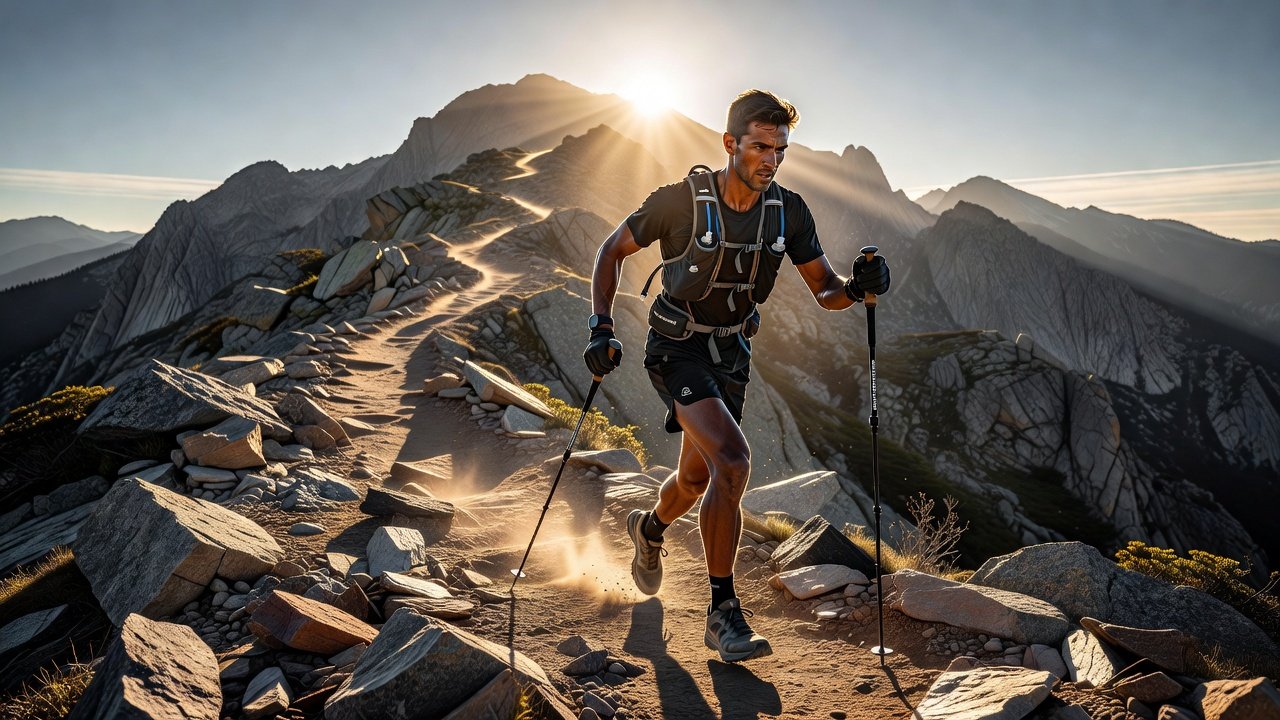
- Rocky alpine: Hardrock 100 featured loose scree where quick foot placement and trekking poles reduced slips. Runners who practiced on similar volcanic terrain in training gained significant time advantages on the high passes.
- Rooty forest: Leadville 100’s wooded sections rewarded runners who practiced high cadence to avoid tripping. Night sections amplified the challenge, making pre-race visualization essential.
- Uneven desert: Javelina Jundred’s sandy washes demanded lower body position and frequent micro-adjustments. Heat combined with unstable footing increased energy expenditure, so pacing adjustments proved vital for top finishers.
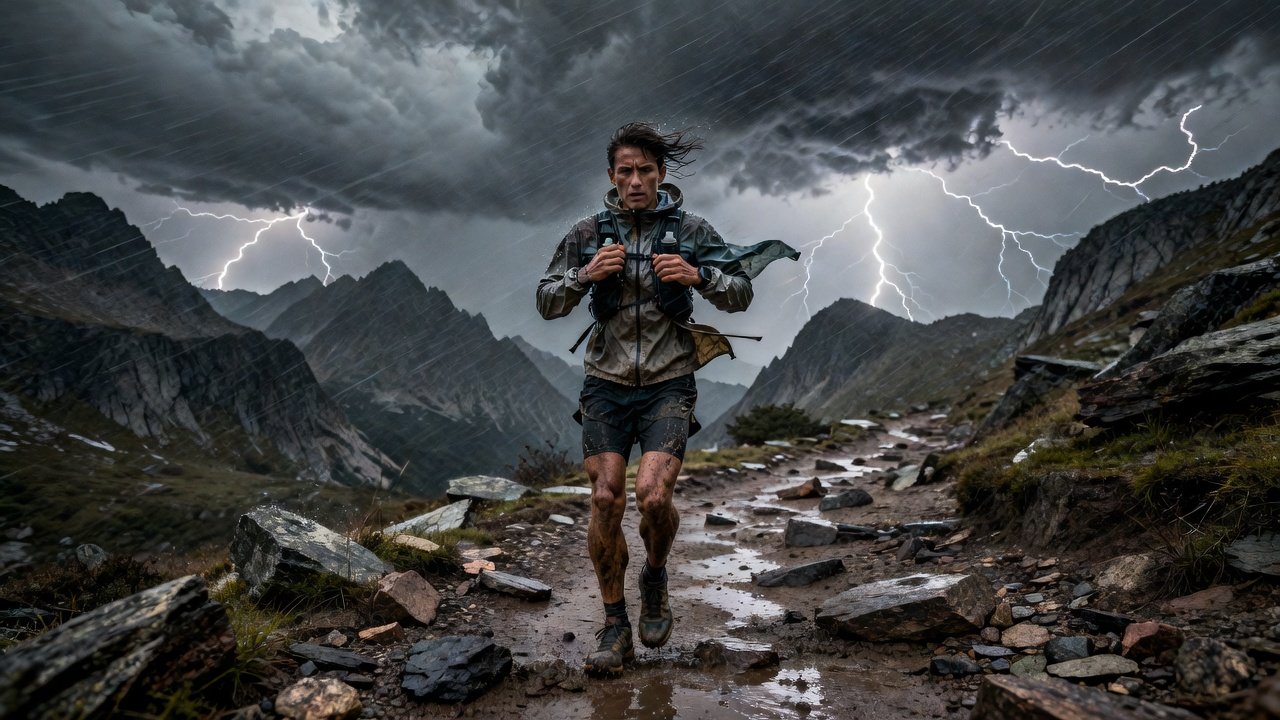
- Muddy coastal: Coastal Trail Runs events in 2026 highlighted slippery roots after rain, where balance training directly correlated with fewer falls and faster splits.
Step-by-Step Progression from Beginner to Advanced
Beginners: Walk technical sections, focus on one drill per week, and film your form. Spend the first four weeks building basic stability with static balance holds and simple footwork on flat trails. Intermediate: Add speed intervals on moderate trails and increase single-leg balance time to two minutes. Introduce light pole work and short technical loops at race pace. Advanced: Incorporate loaded carries, night runs on technical terrain, and race-specific simulations. Track progress every four weeks by timing a set technical loop and include hill repeats with varied footing. Full programs often span 12-16 weeks with progressive overload to avoid overuse injuries.
Mental Strategies for Sustained Focus
Technical terrain can mentally drain runners as quickly as it fatigues the body. Break sections into manageable segments and use positive self-talk to maintain rhythm. Visualization of successful passages on key 2026 course features helps build confidence. Many elite athletes pair breathing techniques with foot strikes to stay present and reduce anxiety on exposed ridges or dark forests.
Gear and Safety Considerations
Trail shoes with aggressive lugs and rock plates provide better protection on sharp surfaces. Trekking poles offer extra points of contact on steep technical terrain when used correctly. Always carry a basic first aid kit and know the course’s bailout points. For more information on trail safety, consult resources from the National Park Service. Injury prevention guidance is available from the Centers for Disease Control and Prevention and the World Health Organization.
Common Mistakes and How to Avoid Them
FAQ
Q: Should I look at my feet constantly? A: Scan ahead while using peripheral vision; fixating downward slows reaction time and increases trip risk.
Q: Are trekking poles helpful on technical terrain? A: Yes, when used for balance rather than propulsion on steep or rocky ground; improper use can create new balance issues.
Q: How often should drills be practiced? A: Two to three focused sessions weekly yield measurable gains within six weeks when combined with recovery runs.
Q: What if I have previous ankle injuries? A: Consult a physical therapist before advancing and start with supported surfaces and gradual exposure.
Q: Can these skills be developed on a treadmill? A: Limited benefit only; real trail practice on varied natural surfaces remains essential for transfer to race conditions.
Conclusion
Technical terrain mastery separates finishers from top performers in 2026 ultras. Consistent practice of positioning, footwork, balance, and pacing reduces fatigue and injury risk while improving overall race times. Start with the beginner progressions today and build toward advanced skills for your next ultra. The investment in these techniques pays dividends across every distance and surface type encountered in modern ultra events.
No comments yet. Be the first!