 The Runner Story

Introduction to Nutrition for Ultra Running
Ultra running pushes the human body to its limits, demanding not just physical stamina but a finely tuned nutrition strategy. Races spanning 50K, 100K, or even 100 miles require runners to fuel efficiently over hours or days. Poor nutrition leads to 'bonking'—that dreaded wall of fatigue from glycogen depletion. This guide shares 10 actionable hacks, backed by sports science and real-world examples from top ultra athletes like Courtney Dauwalter and Kilian Jornet. Whether you're prepping for your first 50-miler or chasing a personal best, these strategies will supercharge your endurance.
We'll cover carb-loading protocols, real-food fueling, macro balancing, bonk prevention, recovery nutrition, and more, with practical recipes and timing tips. Mastering these can mean the difference between hitting the aid station euphoric or crawling to the finish.
Hack 1: Master Carb-Loading for Glycogen Supercompensation
Carb-loading isn't just pasta parties; it's a science-backed protocol to maximize muscle glycogen stores. For ultras, aim for 8-12g of carbs per kg of body weight in the 36-48 hours pre-race. Studies from the PubMed database show this boosts endurance by 20%.
Practical Protocol:
- Days 4-3 pre-race: Normal diet (5-7g/kg carbs).
- Day 2: Increase to 8-10g/kg with low-fiber foods to avoid GI distress.
- Day 1: Taper volume, hit 10-12g/kg; focus on rice, potatoes, bananas.
Recipe: Ultra Carb-Load Bowl – 1 cup cooked white rice, 1 baked sweet potato, 2 bananas, honey drizzle (700g carbs total). Courtney Dauwalter swears by similar high-carb, simple meals before her 200+ mile wins.
Hack 2: Real-Food Fueling Over Gels for Long Efforts
Gels work short-term, but for ultras, real foods provide sustained energy and gut comfort. Aim for 60-90g carbs/hour during runs, mixing solids every 45 minutes. This combats flavor fatigue from gels.
Top Real-Food Picks:
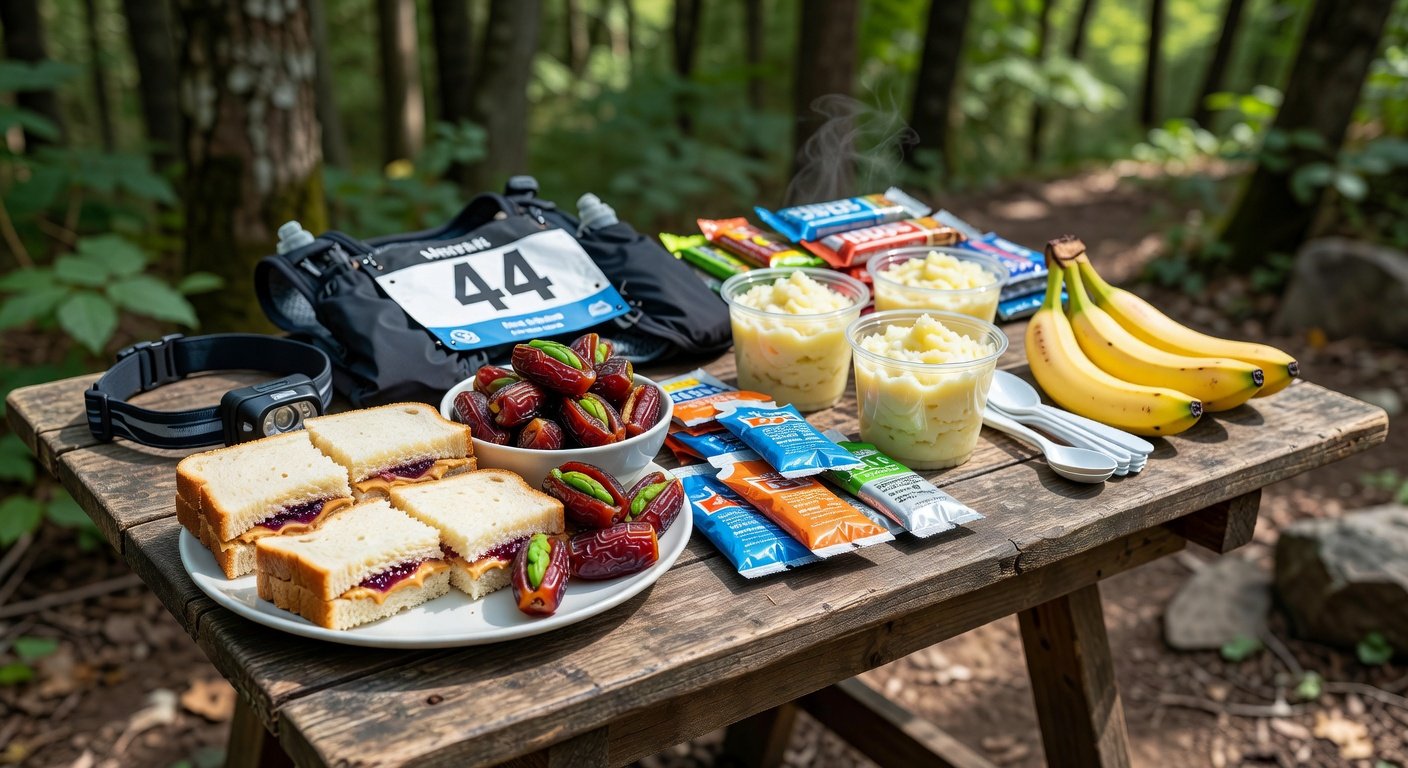
- PB&J sandwiches (quarter every 30 min).
- Dates stuffed with nuts (4-6/hour).
- Mashed potatoes with salt at aid stations.
Kilian Jornet fuels ultras with potatoes and figs, crediting them for his UTMB dominance. Test in training to dial in your gut tolerance.
Hack 3: Combat Bonking with Electrolyte Precision
Bonking hits when sodium, potassium, and fluids deplete alongside glycogen. Use electrolyte tabs or drinks with 300-700mg sodium/hour. The American College of Sports Medicine recommends personalized sweat testing.
DIY Electrolyte Drink: 500ml water + 1/4 tsp sea salt + 1/4 tsp No-Salt (potassium) + 30g carbs from juice. Sip 500-800ml/hour based on conditions.
Hack 4: Balance Macros for 100K+ Ultra Efforts
While carbs dominate (60-70%), include 15-20% fats and 10-15% protein for sustained energy. Fats from nuts/avocado prevent late-race crashes; BCAAs from whey aid muscle repair mid-run.
Ideal Hourly Intake:
- Carbs: 60-90g
- Fat: 5-10g
- Protein: 5-10g
For 100K, this totals ~500-700 calories/hour. Jim Walmsley's Western States strategy: Tailwind (carbs/electrolytes) + bacon strips for fat/protein.
Hack 5: Timing Nutrition Windows for Peak Performance
Timing trumps quantity. Fuel every 20-30 minutes proactively, not reactively. Pre-run: 2-4g/kg carbs 3-4 hours out. Intra-run: Start at 30 minutes. Post-run: 1.2g/kg carbs + 0.3g/kg protein within 30 minutes.
Use a watch beep or app reminders. This keeps blood sugar stable, per Mayo Clinic endurance guidelines.
Hack 6: Incorporate Anti-Inflammatory Foods for Recovery
Post-ultra inflammation causes DOMS. Load up on omega-3s, antioxidants, and turmeric. Tart cherry juice reduces soreness by 20%, per research.
Recovery Recipe: Golden Smoothie – 1 cup tart cherries, 1 banana, 1 tsp turmeric, ginger, almond milk, spinach. Drink daily post-run. Athletes like Zach Bitter use this for multi-day stage races.
Hack 7: Hydration Hacks Tailored to Sweat Rate
Weigh yourself pre/post long runs to find your sweat rate (e.g., 1L/hour). Replace 100-125% losses. Add carbs to fluids for dual fueling.
Mistake to Avoid: Overhydrating leads to hyponatremia—diluted blood sodium. Monitor urine color: pale yellow ideal.
Hack 8: Pre-Race Meal Mastery
3-4 hours before: Familiar, low-fiber carbs. Example: Oatmeal with banana and honey (100g carbs). Avoid new foods; stick to training-tested options.
Hack 9: Aid Station Strategies for Seamless Fueling
Practice 'graze and go': Quick grabs like pickles (sodium), cola (caffeine/carbs), broth (electrolytes). For 100-milers, pack drop bags with personal favorites.
Pro Tip: Caffeine 3mg/kg boosts late-race power—coffee or gels.
Hack 10: Post-Race Refueling for Next Adventure
Within 30 minutes: Chocolate milk (ideal 4:1 carb:protein). Then, every 2 hours: Balanced meals. Prioritize sleep; nutrition amplifies recovery.
Sample Day-After Plan:
- Breakfast: Eggs, avocado toast, berries.
- Lunch: Quinoa salad with salmon.
- Dinner: Sweet potato, chicken, veggies.
Common Mistakes to Avoid in Ultra Nutrition
Don't neglect fats early or protein late. Underfueling is epidemic—track calories in training. GI issues? Train the gut with 90g carbs/hour sessions.
FAQs on Ultra Running Nutrition
Q: How much should I eat during a 100K? 200-300 cal/hour starting conservative, ramp up.
Q: Vegan options? Yes—dates, potatoes, nut butters, pea protein.
Q: Supplements needed? Basics: Multivitamin, omega-3s; test iron/ferritin levels.
Conclusion: Fuel Your Ultra Dreams
Implement these 10 hacks progressively in training, and you'll conquer ultras with energy to spare. Track, tweak, and listen to your body. Elite results come from consistent, smart fueling. Lace up, eat right, and run far.


No comments yet. Be the first!