 The Runner Story

Introduction to Your 2026 Ultra Running Journey
Ultra running pushes the limits of human endurance, demanding not just physical prowess but mental steel, smart recovery, and precise fueling. Whether you're targeting a 50K trail crusher or a grueling 100-miler, this 12-week plan is designed for runners with a solid base (able to run 40-50 miles/week comfortably). It incorporates high-intensity interval training (HIIT) adaptations for efficiency, strength circuits for resilience, AI-optimized recovery via wearables, mental resilience drills, fat-adaptation nutrition, and targeted injury prevention. By 2026, expect to crush personal bests with data-driven progress tracking.
This plan divides into three phases: Base Building (Weeks 1-4), Intensity Build (Weeks 5-8), and Peak & Taper (Weeks 9-12). Weekly volume peaks at 80-100 miles, with rest and recovery prioritized. Always consult a doctor before starting.
Plan Overview: Phases and Key Components
Phase 1: Base Building (Weeks 1-4) – Focus on aerobic foundation, easy miles, and introducing strength. Volume: 40-60 miles/week.
Phase 2: Intensity Build (Weeks 5-8) – Add HIIT, longer efforts, and circuits. Volume: 60-85 miles/week.
Phase 3: Peak & Taper (Weeks 9-12) – Race simulation, max volume (90-100 miles), then taper for freshness.
- Monday: Easy run + strength circuit
- Tuesday: HIIT or tempo
- Wednesday: Recovery run + mobility
- Thursday: Hill repeats or fartlek
- Friday: Rest or yoga
- Saturday: Long run (key workout)
- Sunday: Active recovery or mental drill
HIIT Adaptations for Ultra Endurance
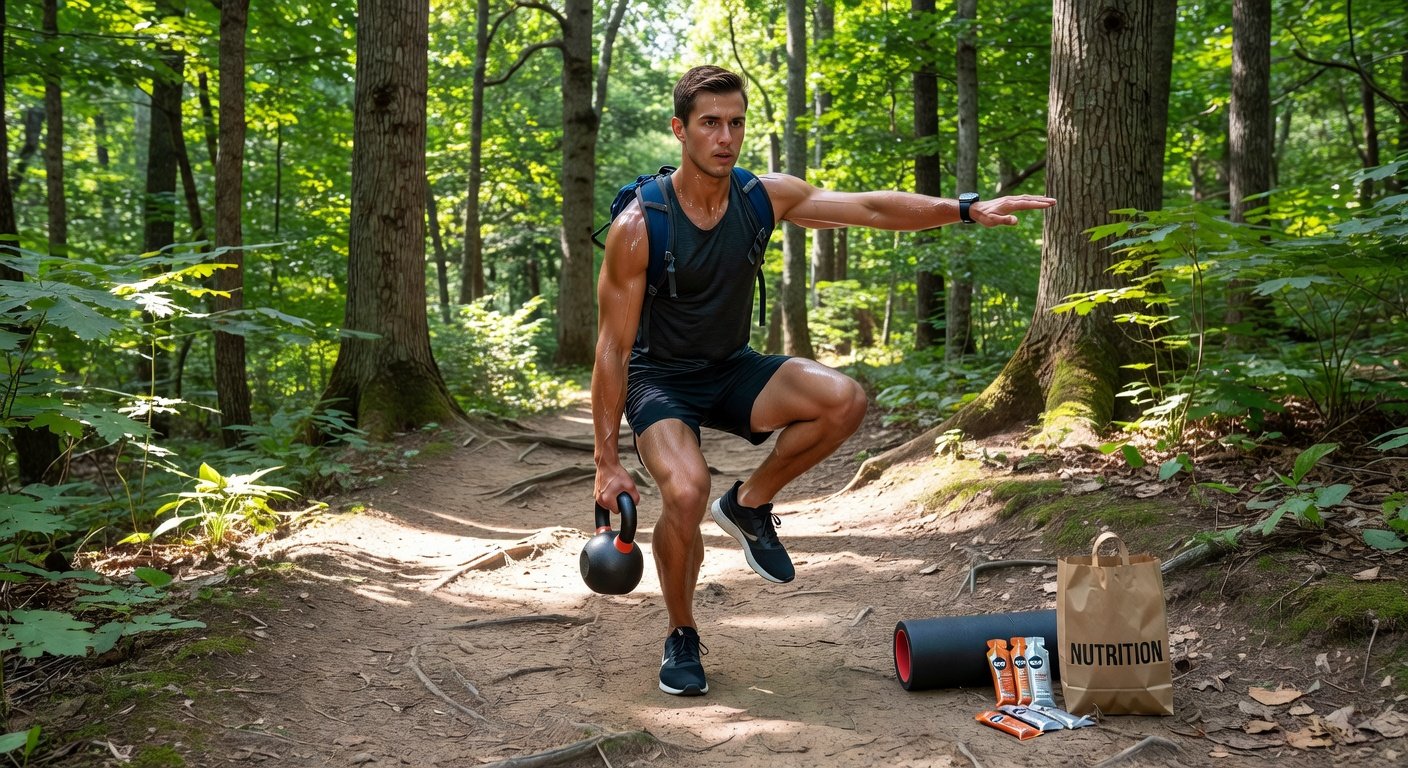
Traditional ultras emphasize steady-state, but HIIT boosts VO2 max and fat oxidation without excessive volume. Adapt HIIT for ultras with longer intervals: 4x8-10min at 90% effort, recovered by easy jogging. In Phase 2, do trail HIIT: 6x4min uphill surges. Research from Runner's World shows HIIT cuts training time by 30% while matching gains.
Strength Circuits: Build Bulletproof Legs
Twice weekly, 20-30min circuits prevent imbalances. Sample circuit (3 rounds, 45s work/15s rest):
- Single-leg squats (10/side)
- Deadlifts (Romanian, 12 reps)
- Plank with leg lifts (30s)
- Calf raises (15/side)
- Step-ups (12/side)
Progress weights in Phase 2. Core focus reduces ITB issues by 40%, per studies.
AI-Optimized Recovery Using Wearables
Leverage Garmin, Whoop, or Coros for heart rate variability (HRV), sleep, and strain scores. AI algorithms predict readiness: if HRV low, swap long run for rest. Weekly: Analyze data Sunday, adjust next week. Garmin's Body Battery feature guides recovery precisely, minimizing overtraining.
Sample Recovery Protocol
- Green (high readiness): Full plan
- Yellow: Cut 20% volume, add mobility
- Red: Active rest only
Mental Resilience Drills
Ultras are 90% mental. Weekly 20min drills:
- Visualization: 10min imagining race lows (cramping, dark, fatigue) and overcoming.
- Mantra reps: Run repeats chanting "smooth and strong."
- Mindfulness: 5min breathwork pre-long run.
In Phase 3, simulate "black moments" with back-to-back long efforts.
Nutrition for Fat Adaptation
Shift to fat-burning for 50K+ races: 65% fats, 20% carbs, 15% protein. Train low-carb on easy days (under 50g carbs), carb-load for key workouts. Keto-adapt in Weeks 1-2: avocados, nuts, fatty fish, olive oil. Daily: 2.5-3g sodium/kg bodyweight. Track via MyFitnessPal. Harvard's Nutrition Source endorses LCHF for endurance.
Sample Daily Meals (70kg Runner)
- Breakfast: Eggs + avocado (500cal, low-carb)
- Lunch: Salmon salad (600cal)
- Dinner: Steak + veggies (700cal)
- Snacks: Nuts, MCT oil coffee
Injury Prevention Strategies
Tailored for ultras: Pre-run dynamic warm-ups (leg swings, A-skips). Post-run: Foam roll, compression. Monitor via wearables for asymmetry. Strengthen hips/glutes weekly. Mayo Clinic recommends eccentric heel drops for Achilles health. If pain arises, RICE + PT referral.
- Weekly mobility: 15min yoga flow
- Shoe rotation: Trail + road
- Cross-train: Bike/swim 1x/week
Progress Tracking Tips
Log via Strava or TrainingPeaks: Weekly metrics – average HR, vertical gain, pace per effort. Threshold tests every 4 weeks (20min all-out). Adjust if no 5% improvement. Set micro-goals: "Week 4: 50-mile week."
Success Stories from Recent Ultra Events
Courtney Dauwalter's 2023 UTMB win (106 miles, 19h) used HIIT bursts and wearable recovery, per iRunFar. Jim Walmsley's 2022 Western States (2:09 course record) credited strength circuits. Amateurs like Sarah from 2024 JFK 50M adapted fats, PR'd by 2 hours using AI HRV.
These stories prove: Science + consistency = ultras conquered.
Get Started and Race Strong in 2026
Lace up, track data, fuel smart – your 100-mile finish awaits. Customize as needed, stay patient, and celebrate milestones. Ultra running isn't just distance; it's transformation.

No comments yet. Be the first!