 The Runner Story
Introduction: Why Shoe Rotation Matters for Injury Prevention
Running injuries often stem from repetitive stress on the same footwear. Rotating multiple pairs helps distribute impact forces, allowing each shoe to recover between uses. This approach extends shoe lifespan and lowers risks like shin splints or plantar fasciitis. In 2026, runners increasingly focus on long-term gear management rather than single purchases. Many athletes discover that consistent rotation improves performance by keeping shoes fresher for key workouts. The cumulative effect of small daily decisions in footwear choice adds up over months of training, leading to fewer setbacks and more consistent progress toward goals such as completing a first marathon or improving personal records.
Research from institutions like the Mayo Clinic highlights that varied cushioning and support patterns can mitigate overuse injuries. Mayo Clinic emphasizes proactive strategies for active individuals. Additional guidance from the Centers for Disease Control and Prevention reinforces the value of equipment variation in physical activity routines. CDC provides resources on preventing common exercise-related issues through smart planning.
Selecting Complementary Shoe Types for Rotation
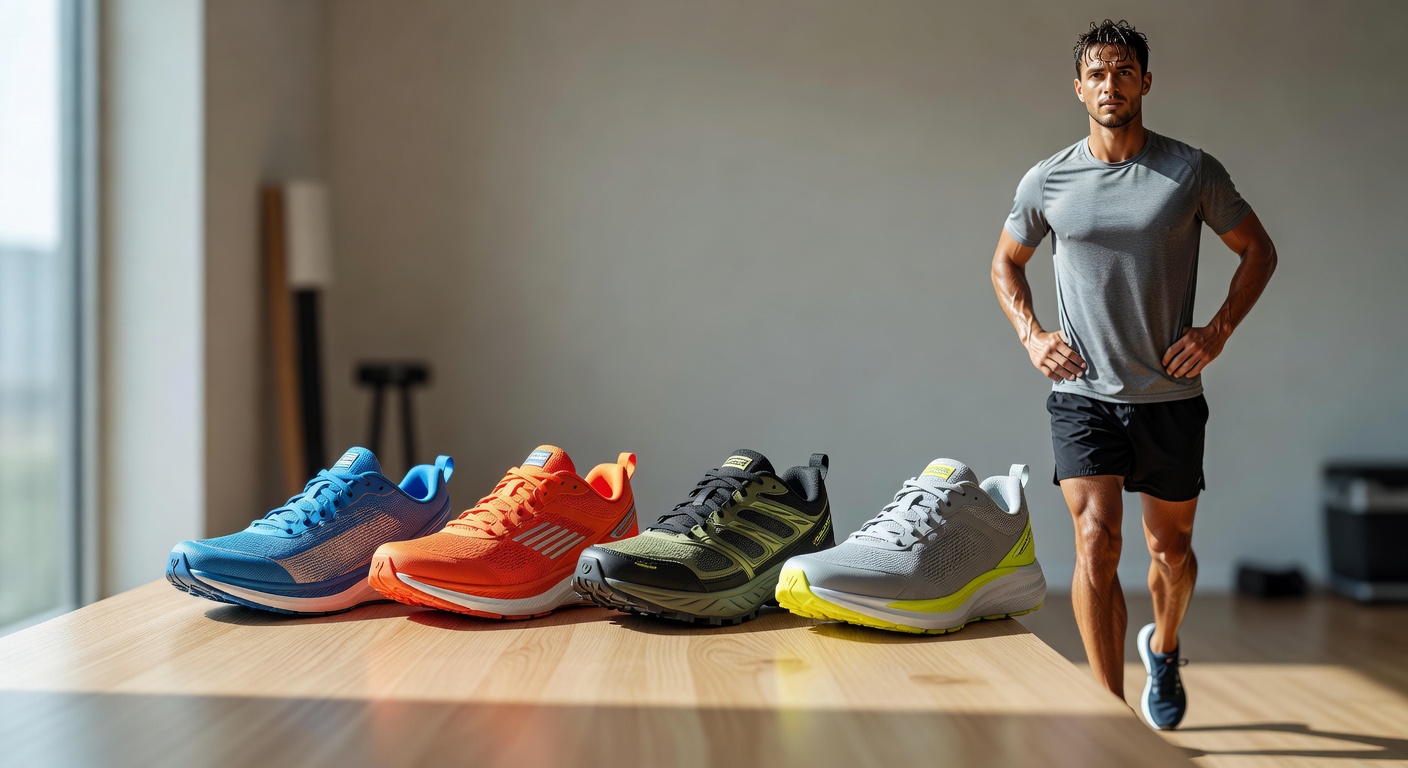
Effective rotation starts with choosing shoes that offer different benefits. Pair a maximal-cushion daily trainer with a firmer racing flat or a stability shoe with a neutral model. This variety challenges muscles differently and prevents adaptation to one type of support. Runners should assess their gait and foot strike patterns before building a collection. Those with overpronation may benefit from rotating a stability shoe into the mix alongside neutral options for variety in support levels.
Consider terrain and distance: use trail shoes for off-road runs and road shoes for pavement. Complementary pairs might include one with high stack height for recovery days and another with responsive foam for speedwork. Think about drop differences as well, alternating between 8mm and 4mm drops to engage calves and Achilles tendons in varied ways. Weather conditions also influence selection, with some pairs featuring more aggressive outsoles for wet surfaces. Building a rotation of three to four pairs allows coverage for easy, tempo, long, and recovery runs without overlap in purpose.
Understanding Cushioning and Support Variations
Cushioning types range from soft, energy-return foams to firmer, more durable compounds. Support features address pronation through medial posts or guide rails. Matching these elements creates balance in your rotation and reduces the chance of muscle imbalances developing from repeated identical loading patterns.
Tracking Mileage with Simple Tools
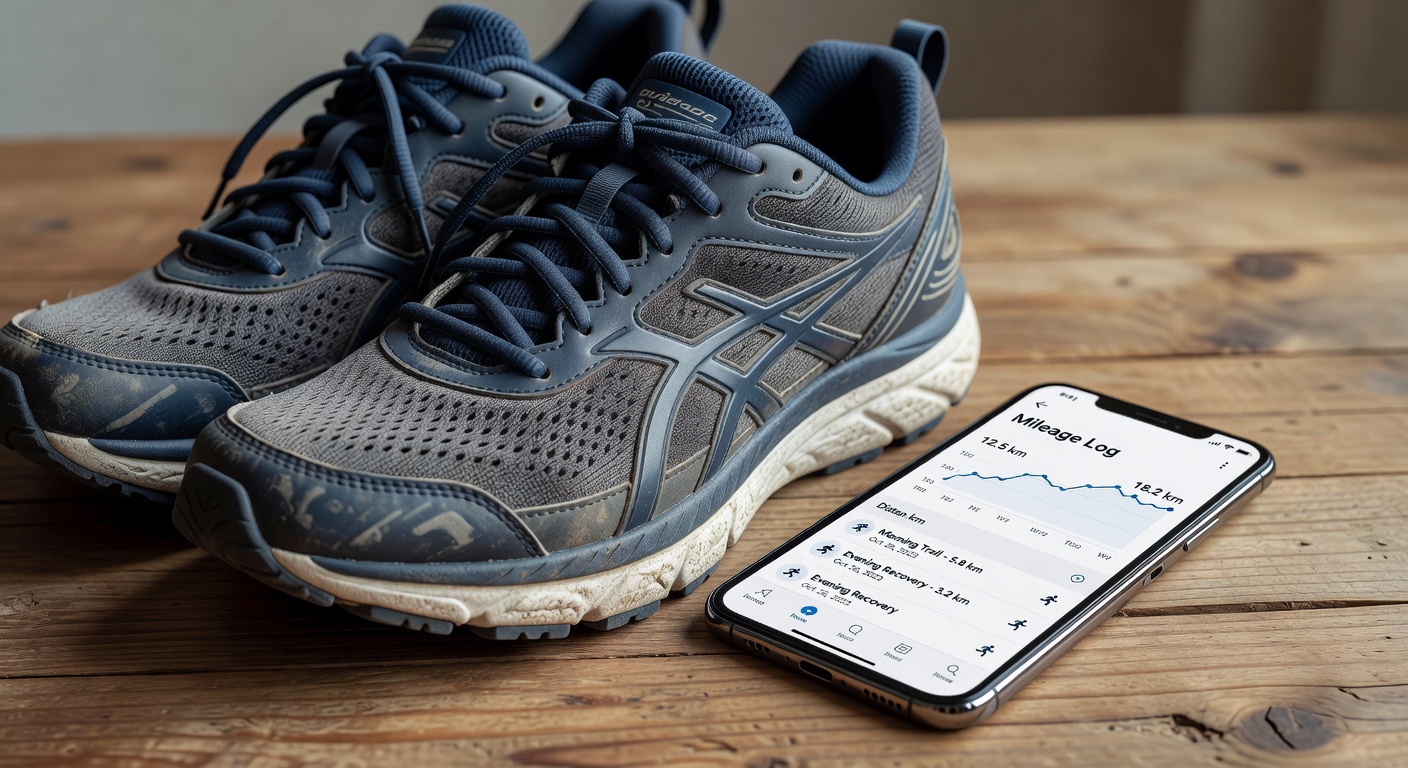
Accurate tracking prevents premature or delayed retirement. Use free apps like Strava or a basic spreadsheet linked to your training log. Record every run by shoe pair and note surface type. Digital tools allow tagging individual shoes and generating reports on total distance accumulated. Manual methods work equally well for those preferring pen and paper logs kept in a dedicated notebook.
Many runners set reminders at 300-mile intervals. Combine this with visual inspections of midsole compression. Regular photos of the shoe soles help document wear progression over time. Integrating tracking into post-run routines ensures consistency without adding significant time to daily schedules.
Signs That a Pair Needs Retirement
Watch for these indicators: visible midsole creasing, loss of bounce, or increased post-run soreness. Uneven wear on the outsole also signals time for replacement. Retire shoes before they contribute to injury rather than after symptoms appear. Additional signs include fabric tears near the upper or a noticeable shift in how the shoe feels during familiar routes. Listening to your body provides the best feedback, as sudden increases in joint discomfort often trace back to degraded footwear.
Step-by-Step Rotation Schedules
Follow this sample weekly plan for a runner logging 30 miles:
- Monday: Recovery run in maximal-cushion shoes (easy pace).
- Wednesday: Speed session in firmer, responsive pair.
- Friday: Long run alternating between two neutral trainers.
- Weekend: Trail or cross-training day with dedicated off-road shoes.
Adjust based on total volume. A 3-pair rotation works well for most; scale to 4 pairs for higher mileage. For runners averaging 50 miles per week, incorporate an additional recovery-focused pair and schedule rest days strategically. Example bi-weekly schedule for intermediate runners includes specific assignments like using the oldest pair only on easy days to maximize its remaining life. Track adherence for the first month to refine the system based on personal recovery rates and workout demands.
Real-World Runner Examples
Amateur marathoner Sarah rotates three pairs: one for easy miles, one for tempo, and one reserved for races. She tracked 18 months of data showing a 40% drop in minor aches after implementing rotation. Another example involves ultra runner Mike, who uses four pairs to handle mixed terrain and reports fewer IT-band issues. Beginner runner Jamal started with two pairs purchased six months apart and gradually added a third after completing his first 10K. His experience demonstrated how even modest rotations reduce blister frequency and improve overall comfort on longer efforts. Club runner Elena maintains five pairs, rotating based on weather forecasts and workout types, which has allowed her to increase annual mileage without corresponding injury spikes.
Comparisons of Popular Running Shoes
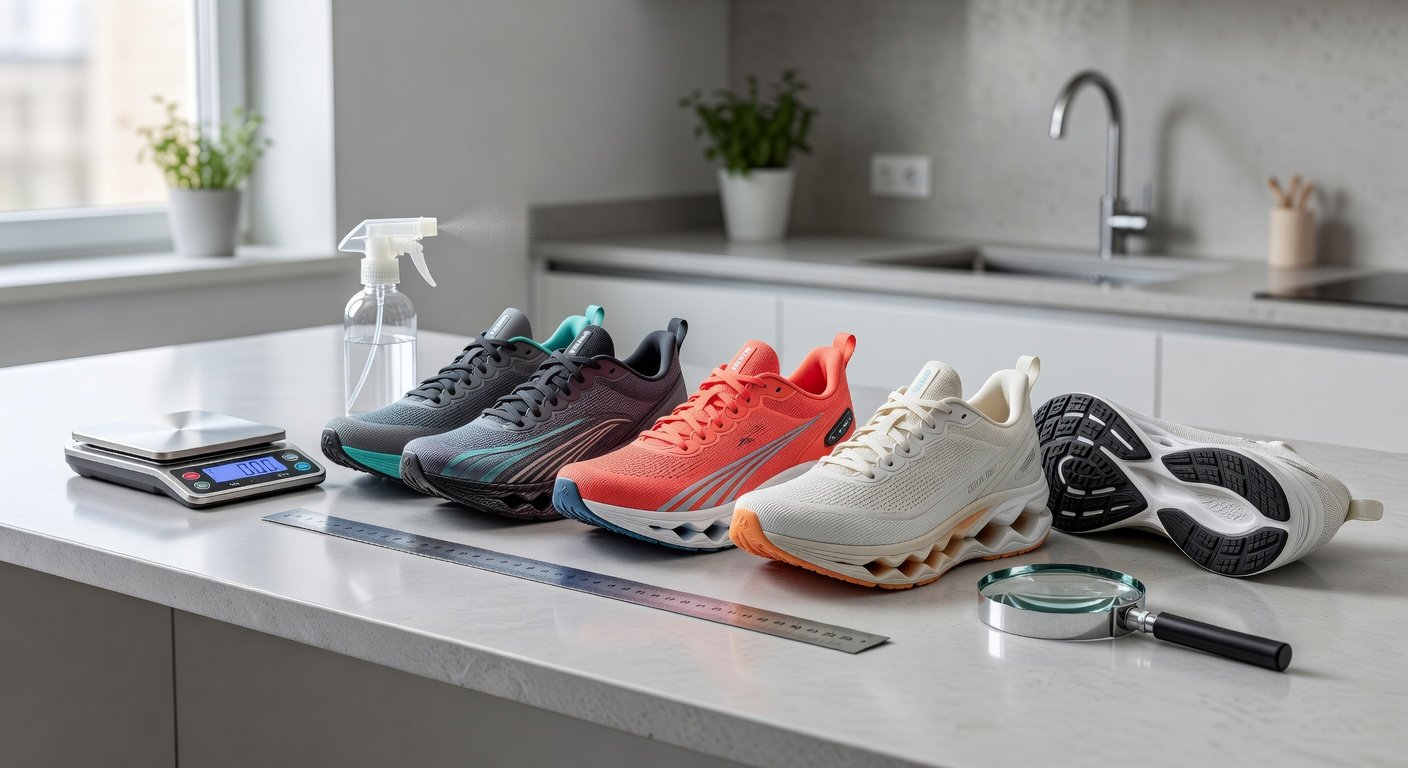
Compare models like the Brooks Ghost (versatile daily trainer) versus the Hoka Clifton (maximal cushion). The Ghost offers balanced durability for rotation, while the Clifton excels in recovery runs. Test fits in-store to ensure compatibility with your gait. Other options include the Saucony Ride for smooth transitions and the New Balance Fresh Foam for plush landings. Each model brings unique strengths that complement others in a rotation, such as pairing a lighter shoe for intervals with a heavier, more protective option for daily volume. Runners often experiment during easy weeks to identify ideal combinations before committing to race-specific pairings.
Building a Rotation System on Any Budget
Start with two pairs purchased months apart. Prioritize sales on previous-season models. Focus on quality over quantity to maintain effectiveness without excess spending. Create a replacement calendar that spaces purchases across the year. Rotate older pairs into walking or casual use once they reach retirement thresholds for running. Joining local running groups can provide access to shared knowledge on current model performance and value options. Maintenance practices like rotating shoes between runs and storing them in cool, dry places further extend usability.
FAQ: Common Rotation Myths and Budget Tips
- Myth: Rotating shoes wears them out faster. Reality: Rotation actually preserves cushioning longer by allowing recovery time.
- Myth: All shoes in rotation must match exactly. Reality: Varied types provide better injury protection.
- Myth: Tracking mileage is too time-consuming. Reality: Simple apps require only seconds per run and yield valuable long-term insights.
- Budget tip: Buy one new pair every 4-6 months and cycle older ones into lighter duties.
- Budget tip: Sell gently used retired shoes through community forums to offset costs of new acquisitions.
Conclusion
Implementing a thoughtful shoe rotation system supports consistent training and long-term joint health. Track diligently, choose complementary pairs, and retire shoes proactively to stay injury-free throughout 2026 and beyond. Review your system quarterly and adjust based on evolving training needs or new shoe technologies that enter the market. Consistent application of these principles transforms footwear management from a chore into a reliable foundation for sustained running success.

No comments yet. Be the first!