 The Runner Story

Introduction to Tracking Ultra Running Endurance
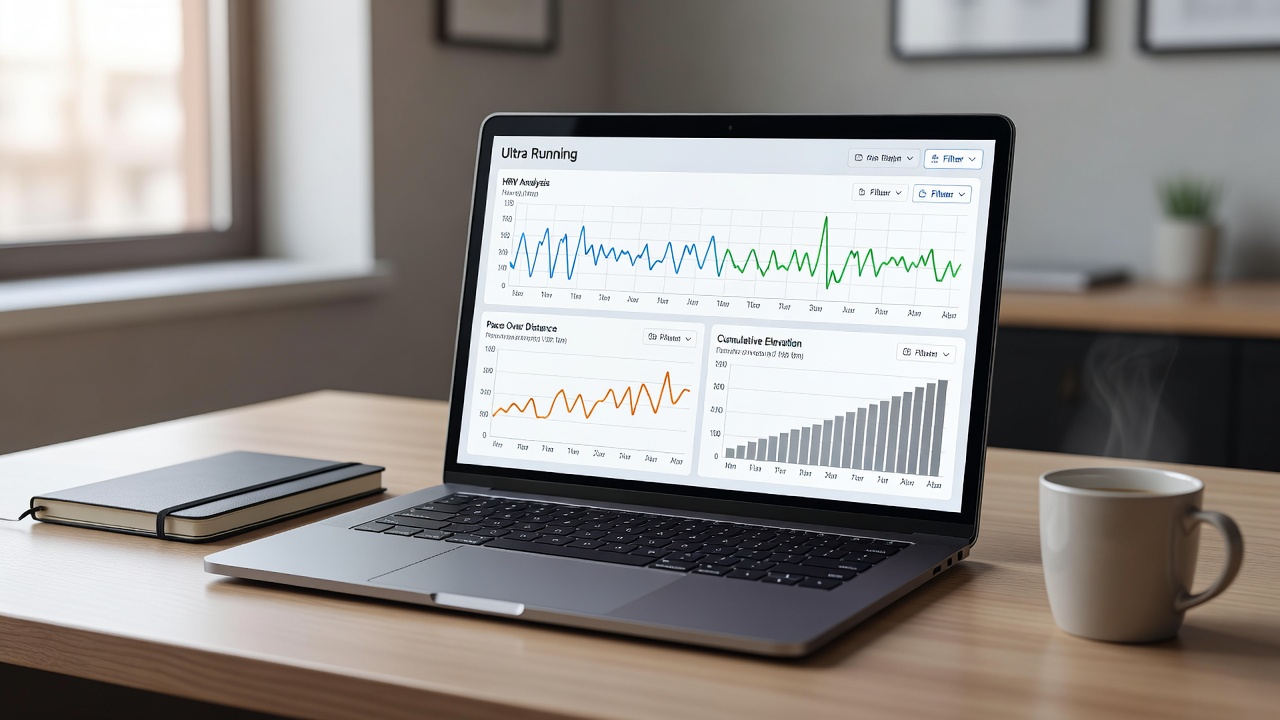
Ultra running places unique demands on the body, requiring athletes to sustain effort over distances often exceeding 50 miles on challenging terrain. Effective monitoring of endurance progress relies on technology that captures detailed data points including heart rate variability, pace consistency, and cumulative elevation gain. These metrics provide objective feedback that subjective feelings alone cannot match, allowing runners to refine their approach and achieve sustainable improvements.
Training logs from experienced ultra athletes frequently illustrate how consistent data tracking reveals hidden patterns, such as gradual improvements in aerobic efficiency after incorporating hill repeats. Integrating these insights into daily routines helps bridge the gap between raw effort and measurable advancement while reducing the risk of setbacks from overexertion.
Essential Metrics for Ultra Endurance Monitoring
Heart rate variability serves as a leading indicator of recovery, with lower values often signaling the need for rest days. Pace trends highlight improvements in speed at given effort levels, while elevation gain quantifies the vertical load that builds leg strength and lung capacity. For instance, one runner documented a 15 percent increase in average weekly elevation after three months of targeted tracking, correlating directly with stronger finishes in mountain ultras.
Additional metrics such as cadence, stride length, and sleep quality further enrich the picture. Combining these allows for a holistic view that supports both performance gains and long-term health. Regular review prevents the common pitfall of focusing solely on mileage without considering recovery signals.
Selecting Devices for Beginners Versus Advanced Athletes
Beginners benefit from straightforward GPS watches that emphasize basic tracking without overwhelming interfaces. These devices typically prioritize reliability in battery life and simple data export. Advanced athletes, by contrast, often select multi-sensor platforms capable of measuring running dynamics, muscle oxygen levels, and detailed recovery scores. Device comparisons reveal that entry-level models suffice for foundational awareness, whereas premium units deliver granular analytics suited to periodized plans.
When choosing, consider factors like wrist comfort during long efforts, waterproofing for variable weather, and compatibility with third-party software. Real-world examples show beginners progressing faster when starting with intuitive interfaces before upgrading as their data literacy grows.
Step-by-Step Setup Instructions for Key Tools
Begin by charging the device fully and downloading the companion mobile application. Pair via Bluetooth following on-screen prompts, then calibrate the altimeter using known elevation points from a local trail map. Enable automatic activity detection to capture every run without manual starts. Next, configure data fields on the watch face to display HRV, current pace, and elevation in real time.
After the first few sessions, review the initial uploads in the app dashboard. Adjust alert thresholds for heart rate zones based on a recent field test. Syncing across multiple platforms requires authorizing connections in account settings, ensuring all logs flow into a central repository for trend analysis.
Top Apps and Analytics Platforms
Leading platforms streamline data aggregation and visualization. Strava excels at mapping routes alongside social motivation features that encourage consistent logging. Garmin provides deep integration for elevation profiles and advanced recovery metrics. Athletes also turn to additional services for custom reporting that highlights weekly elevation totals or pace velocity changes over months.
These tools support exporting raw data for external analysis, enabling runners to overlay training blocks against race outcomes. Practical use includes setting seasonal goals visible on the dashboard to maintain focus during base-building phases.
Integrating Tech with Periodized Training Schedules
Periodization divides the year into phases emphasizing endurance, strength, speed, and recovery. Technology facilitates this by allowing athletes to program workouts directly into devices that adapt based on live feedback. For example, a base-building block might target steady elevation gains while monitoring HRV to avoid cumulative fatigue.
During high-intensity periods, pace alerts help maintain target efforts without exceeding recovery capacity. Taper phases benefit from reduced volume tracked against sleep metrics. This data-driven alignment ensures each phase builds logically on the previous one, maximizing race-day readiness.
Interpreting Data to Prevent Burnout
Burnout often stems from ignoring early warning signs visible in metrics. A sudden spike in resting heart rate combined with declining HRV warrants immediate load reduction. Training logs provide concrete examples, such as a runner who noticed a 20 percent drop in pace consistency before an injury and adjusted accordingly to maintain progress.
Weekly reviews of trends rather than single-day snapshots offer the clearest guidance. Setting custom thresholds within apps creates automated nudges when patterns deviate from personal norms.
Practical Tips for Data Syncing and Common Mistakes to Avoid
- Enable Wi-Fi sync on devices to upload runs automatically upon returning home.
- Cross-check data from multiple sources to confirm accuracy before making training changes.
- Archive old seasons to keep dashboards focused on current goals.
- Review privacy settings quarterly to control who accesses sensitive health information.
Common mistakes include over-relying on one metric, neglecting firmware updates that improve sensor accuracy, and failing to calibrate elevation data in new locations. Avoiding these ensures reliable insights over time.
FAQs on Accuracy and Privacy
How accurate are HRV readings from consumer devices? Modern sensors provide reliable trends when the device fits snugly and remains clean, though medical-grade equipment offers higher precision for clinical use.
Can data be shared safely with coaches? Most platforms allow selective sharing through secure links while keeping full control over personal information.
What steps protect privacy when using cloud services? Use strong passwords, enable two-factor authentication, and periodically audit connected applications.
Conclusion
Tech tools empower ultra runners to move beyond intuition toward evidence-based training. By mastering metrics, devices, and platforms, athletes achieve measurable endurance gains while safeguarding against burnout. Consistent application of these methods supports both immediate performance and lifelong participation in the sport.


No comments yet. Be the first!