 The Runner Story

Beginner Running Tips: Sleep Routines to Fuel Motivation
Starting a running journey as a beginner brings excitement mixed with challenges, especially maintaining consistent motivation. One often overlooked factor is sleep. Quality rest directly fuels energy levels, sharpens focus, and supports the mental drive needed to lace up shoes day after day. This guide dives deep into how sleep routines enhance running performance and adherence for absolute newcomers, providing the foundation for sustainable habits that last beyond the initial weeks of enthusiasm.
The Science of Sleep and Recovery in Running
Sleep serves as the body's primary recovery mechanism. During deep sleep stages, muscles repair microtears from runs, hormones like growth hormone peak to aid tissue rebuilding, and the brain consolidates motor skills learned during training. Research from institutions such as the Mayo Clinic highlights that insufficient sleep impairs glycogen replenishment and elevates cortisol, leading to fatigue that kills beginner motivation. For new runners, even one poor night can reduce workout quality and increase perceived effort, creating a cycle of skipped sessions that derails early progress.
Studies show that 7-9 hours of nightly sleep optimizes endurance adaptations. Beginners often underestimate this link, focusing instead on mileage while ignoring rest. Prioritizing sleep creates a foundation where runs feel more rewarding, boosting intrinsic motivation over time. Sleep cycles progress through light, deep, and REM stages, each contributing uniquely to physical repair and mental resilience. When these cycles are disrupted, runners experience slower reaction times and diminished ability to push through the mental barriers that every beginner encounters on tougher days.
Common Sleep Disruptors for New Runners
New runners face unique sleep challenges. Late-evening runs can elevate core body temperature and adrenaline, delaying sleep onset by up to an hour or more. Caffeine from pre-run gels or post-run coffee lingers in the system for six to eight hours, fragmenting rest even if the runner feels tired. Stress about progress or soreness also fragments rest, as the mind replays the day's effort or worries about upcoming sessions. Additionally, inconsistent bedtimes due to busy schedules disrupt circadian rhythms, making it harder to feel motivated for early morning jogs or consistent training blocks.
Screen time before bed from tracking apps or social media further suppresses melatonin production. Identifying these disruptors is the first step toward sustainable habits that keep beginners consistent without burnout. Many novices also overlook environmental factors like room temperature or noise from household routines, which compound the effects of training-induced fatigue and reduce overall sleep quality.
Building an Effective Nighttime Routine
Creating a wind-down ritual signals the body to prepare for restorative sleep. Start 60-90 minutes before bed with dim lights and avoid intense exercise within three hours of bedtime. Incorporate light stretching focused on calves and hamstrings to ease post-run tightness, followed by progressive muscle relaxation techniques. Herbal tea without caffeine or reading a physical book helps transition mentally from the day's activities to rest mode.
Establish a consistent bedtime and wake time, even on weekends, to regulate your internal clock. Limit blue light by using night mode on devices or switching to paper logs for run tracking. These small adjustments compound, leading to deeper sleep and renewed motivation each morning. Consider adding a brief meditation or breathing exercise, such as the 4-7-8 technique, to quiet racing thoughts about upcoming runs or personal goals.
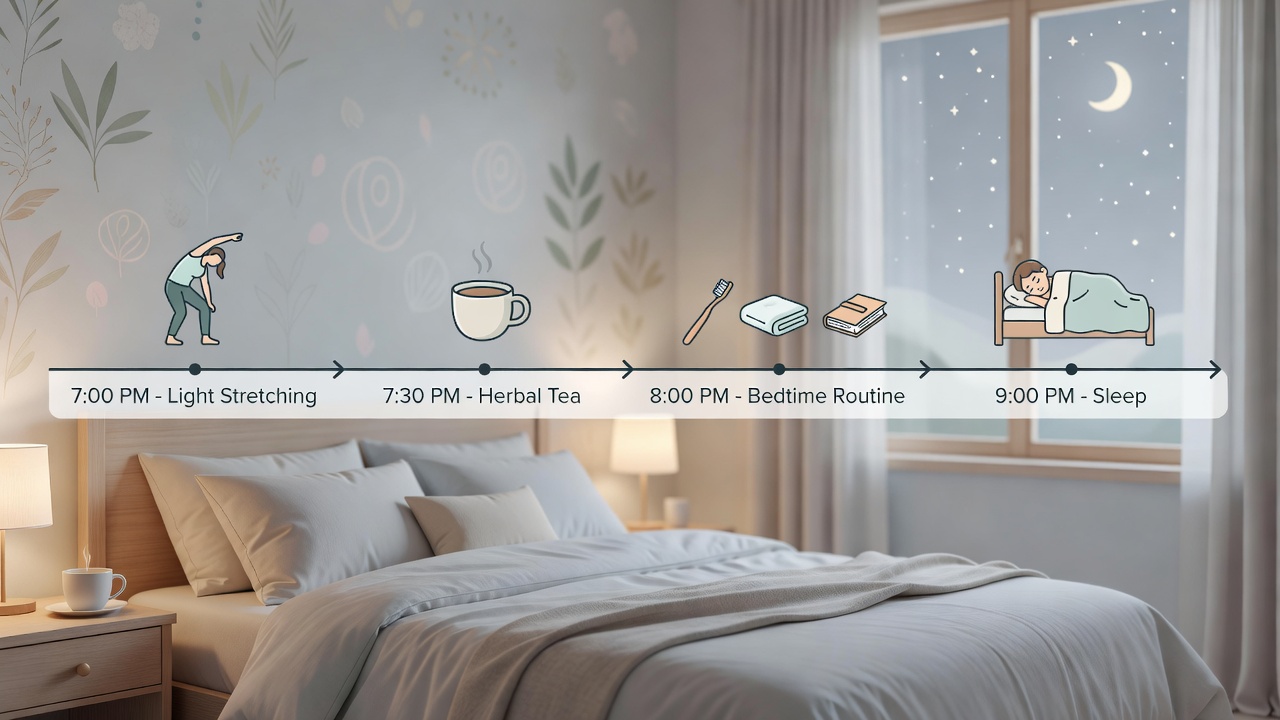
Sample Sleep Schedules for Beginner Runners
Here is a practical example tailored for someone training three to four days weekly:
- 9:00 PM: Begin wind-down with light stretching and no screens.
- 9:30 PM: Herbal tea and review of the day's easy wins, like completing a short jog.
- 10:00 PM: Lights out, aiming for 7.5-8 hours.
- 6:00 AM: Wake naturally, hydrate, and prepare for a possible morning run or strength session.
Adjust based on work demands. If evening runs occur, shift bedtime 30 minutes later but maintain the total sleep window. Track how this schedule impacts next-day energy for two weeks to refine it. For shift workers, a sample might involve sleeping from 1:00 AM to 9:00 AM with a protected dark room and white noise machine to mimic ideal conditions. Another variation for parents includes splitting sleep with a short afternoon nap on non-run days while protecting core nighttime hours.
The Link Between Rest, Motivation, and Injury Prevention
Adequate sleep reduces injury risk by supporting immune function and coordination. Sleep-deprived runners exhibit poorer form, increasing strain on joints and tendons. The CDC notes that chronic short sleep correlates with higher inflammation markers, which can prolong recovery from minor aches common in beginners. Over time, this leads to common issues like shin splints or runner's knee that could have been avoided with better rest.
Motivation thrives on visible progress. When rested, runners notice improved pace or easier breathing, reinforcing the habit loop. Poor sleep erodes this feedback, making runs feel like chores rather than empowering activities. Comparing rested versus fatigued states reveals stark differences: a well-rested beginner might complete a 5K feeling strong, while the same distance after poor sleep leads to frustration and self-doubt.
Beginner-Friendly Tracking Methods
Simple tools help monitor sleep's impact without overwhelm. Use a basic journal noting bedtime, wake time, run feel on a 1-10 scale, and energy levels. Wearable devices provide trends but start analog to avoid data obsession. Weekly reviews reveal patterns, such as better motivation after consistent 8-hour nights. Include columns for mood upon waking, any soreness, and whether the run felt enjoyable to connect sleep directly to motivation metrics.
Quick wins include a 10-minute gratitude note before bed focused on running highlights. This builds positive associations that sustain long-term adherence. Compare paper journals versus simple phone note apps to find what fits your lifestyle best, ensuring the method encourages consistency rather than adding stress.
Mistakes to Avoid When Building Sleep Routines
Many beginners make the error of overhauling their entire schedule at once, leading to frustration and abandonment. Instead, introduce one change per week. Another common pitfall is ignoring weekend consistency, which resets circadian progress. Avoid heavy meals or alcohol close to bedtime, as both disrupt deep sleep stages critical for muscle recovery. Finally, do not rely solely on sleep trackers without listening to how your body actually feels during runs.
Short FAQ
How many hours should beginners aim for?
Most adults need 7-9 hours. Start by extending current sleep by 30 minutes and assess running motivation after one week.
Can naps help if nighttime sleep is short?
Short 20-minute naps can supplement but should not replace consistent nighttime routines, as deep overnight recovery remains essential for injury prevention.
What if work schedules conflict with ideal bedtimes?
Prioritize a fixed wake time and protect the hour before bed. Even small consistency improvements yield noticeable motivation gains.
How does sleep affect long-term running goals?
Consistent rest supports progressive overload without injury, allowing beginners to build mileage steadily toward events like a first 5K or 10K.
Conclusion
Sleep routines form the hidden engine behind beginner running success. By addressing recovery science, removing disruptors, and implementing structured habits, new runners build the consistency and drive needed for lasting progress. Start tonight with one change, such as a fixed bedtime, and watch motivation flourish alongside your strides. The cumulative effect of better sleep transforms running from a sporadic activity into a rewarding lifestyle choice that beginners can maintain for years.


No comments yet. Be the first!