 The Runner Story
Why Strength Training Matters for New Runners
Starting a running routine is exciting, but many beginners face early burnout due to fatigue, plateaus, or nagging discomfort. Adding simple strength training creates a stronger foundation that supports running form, builds mental resilience, and keeps motivation high. Research from health authorities shows that combining aerobic activity with muscle-strengthening exercises leads to better overall adherence to fitness programs. Beginners often quit within the first month because running alone can feel monotonous and physically draining without the supportive muscle balance that strength work provides. By incorporating targeted moves early, new runners experience quicker wins like improved posture and reduced soreness, which fuel continued effort.
Strength training also enhances endurance by improving running economy, meaning your body uses oxygen more efficiently during runs. This translates to longer, more enjoyable sessions without the mental drag of constant fatigue. Over time, the variety prevents the boredom that leads many to abandon their goals. Real examples include beginners who added two short strength sessions and reported completing their first consistent month of running with higher energy levels and fewer skipped workouts.
Beginner-Friendly Strength Moves: Squats and Planks
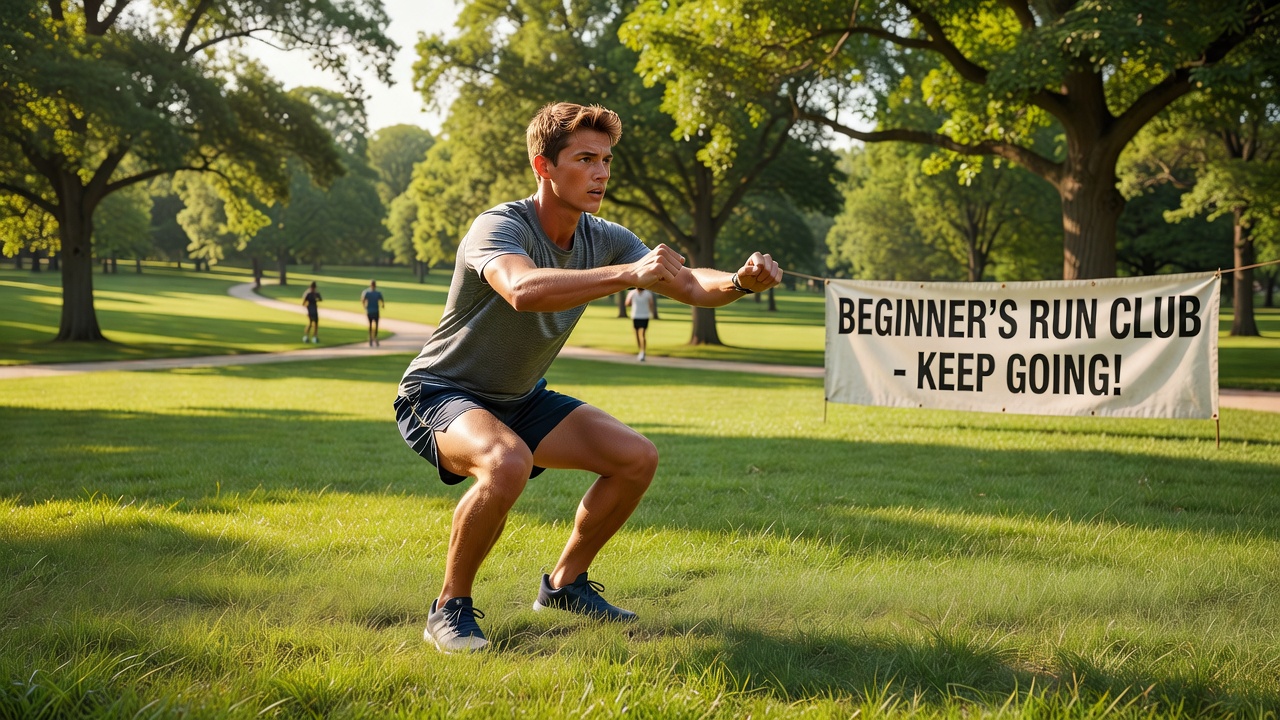
Focus on two foundational exercises that require no equipment. Squats strengthen the legs and glutes for better running propulsion, while planks build core stability that improves posture and reduces injury risk during runs. These moves are accessible because they use bodyweight and can be done at home in limited space. Proper form is essential to avoid strain and build confidence from the start.
Perform these moves with proper form to maximize benefits and motivation. Start with bodyweight only and progress slowly by adding repetitions or hold times as strength improves. Many beginners notice visible changes in leg definition and core engagement within two weeks, which serves as powerful positive reinforcement.
How to Do Squats
- Stand with feet shoulder-width apart, toes slightly turned out.
- Engage your core and lower your hips back and down as if sitting into a chair.
- Keep knees aligned over ankles and chest lifted throughout the movement.
- Drive through your heels to return to standing, squeezing glutes at the top.
- Complete 10-12 repetitions for 2-3 sets, resting 45 seconds between sets.
How to Do Planks
- Start on forearms and toes, body in a straight line from head to heels.
- Engage your core and glutes to avoid sagging hips or arching the back.
- Hold for 20-30 seconds, breathing steadily and keeping the neck neutral.
- Rest 30 seconds and repeat for 3 sets, focusing on quality over duration.
These exercises directly support running by targeting the posterior chain and stabilizing muscles often neglected in running-only routines.
Three Simple Strength Sessions for Runners
Integrate these short sessions into your week to complement running without overwhelming your schedule. Each session takes 15-20 minutes and focuses on motivation through visible progress. The design emphasizes compound movements that deliver quick functional gains for running.
Session 1: Lower Body Focus
Warm up with 5 minutes of marching in place or light jogging. Perform 3 sets of 12 squats, 10 lunges per leg (step forward and return), and 15 glute bridges. Cool down with gentle stretches like quad pulls and hamstring reaches. Track how your legs feel stronger and more stable on your next easy run, often leading to better pace consistency and reduced post-run tightness.
Session 2: Core Stability
Begin with a 5-minute walk. Complete 3 sets of 30-second planks, 10 bird-dog holds per side, and 12 dead bugs. Finish with deep breathing exercises. Notice improved running posture and reduced side stitches over time, which helps maintain mental focus during longer efforts.
Session 3: Full-Body Circuit
Do a quick dynamic warm-up including arm circles and leg swings. Cycle through 10 squats, 20-second planks, 10 push-ups on knees, and 15 calf raises. Repeat the circuit 3 times with minimal rest. This builds endurance that translates directly to longer runs and creates a sense of accomplishment that boosts overall motivation.
Creating a Weekly Integration Schedule
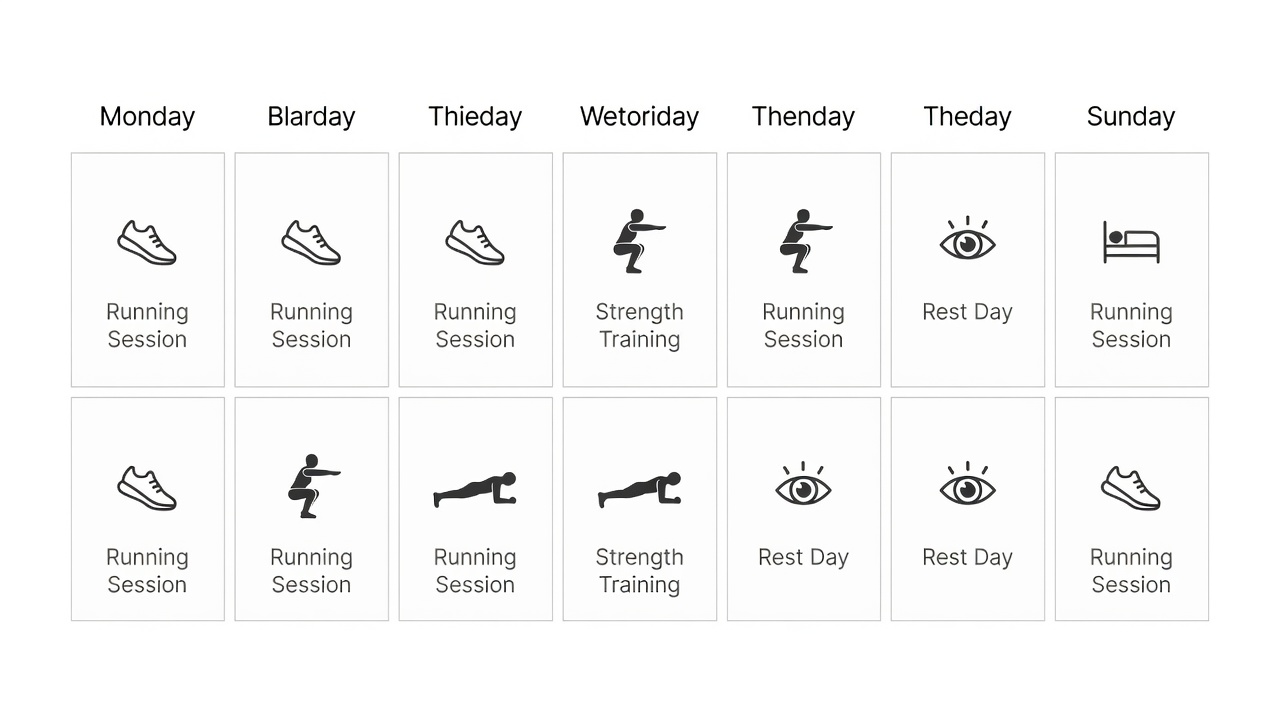
A balanced week might include three run days, two strength sessions, and two rest or active recovery days. For example: Monday run, Tuesday strength Session 1, Wednesday rest or yoga walk, Thursday run, Friday strength Session 2, Saturday easy run or Session 3, Sunday full rest. Adjust based on energy levels to maintain high motivation. Listen to your body and swap days if needed, always prioritizing recovery to avoid overtraining that kills enthusiasm.
Comparing Strength-Focused vs Running-Only Routines
Runners who add strength training often report fewer overuse injuries and steadier motivation compared to those who run exclusively. Running-only plans can lead to muscle imbalances and quicker fatigue, while a combined approach builds resilience and variety that keeps workouts fresh. Real-world examples show beginners completing their first 5K with greater confidence after just four weeks of combined training. A strength component adds mental variety, reducing the monotony that causes many to drop out early.
Tracking Progress and Measuring Motivation Gains
Use a simple journal or free fitness app to log runs, strength reps, and mood after each workout. Note metrics like distance covered without stopping or how energized you feel mid-week. Many runners see motivation scores rise as they hit small milestones, such as holding a plank for 60 seconds or running an extra minute pain-free. Celebrate these wins to reinforce the habit. For deeper insight, rate your motivation on a 1-10 scale before and after each week to quantify improvements and identify what drives sustained effort.
2026-Relevant Tools for Form and Consistency
Free apps with video-guided form checks help beginners maintain proper technique and stay engaged. Look for options that offer personalized reminders and progress dashboards to turn strength work into a motivating ritual rather than an obligation. These tools often include community features where users share small victories, further enhancing accountability and enjoyment.
Common Mistakes to Avoid
- Skipping warm-ups, which increases injury risk and lowers confidence.
- Progressing too quickly instead of mastering form first.
- Ignoring rest days, leading to burnout and stalled motivation.
- Comparing progress to others rather than tracking personal improvements.
Frequently Asked Questions
How much time does strength training add each week?
Most beginners need only 30-40 minutes total across two sessions, making it easy to fit alongside running without feeling overwhelmed. This small investment yields outsized returns in endurance and mental drive.
Can strength training prevent running injuries?
Yes, strengthening supporting muscles improves stability and reduces common issues like knee pain. Always consult a healthcare professional before starting if you have pre-existing conditions. CDC physical activity resources provide excellent guidance on safe progression.
What if I feel too tired to add strength work?
Start with one short session per week and listen to your body. Many find that strength days actually boost energy for subsequent runs, creating a positive cycle. Consistent short efforts build resilience faster than sporadic long ones.
How soon will I notice motivation improvements?
Most beginners report noticeable gains in energy and confidence within two to three weeks when following a consistent plan. Tracking mood alongside workouts makes these changes clear and encouraging.
Conclusion
Strength training transforms the beginner running experience by fostering physical strength and mental drive. With consistent, simple sessions focused on squats, planks, and balanced scheduling, new runners build the resilience needed for long-term success and enjoyment. Begin today and watch your motivation soar alongside your endurance. Mayo Clinic fitness guidelines offer additional evidence-based tips for sustainable routines.


No comments yet. Be the first!