 The Runner Story

Introduction: Why Wearables Transform Beginner Running Motivation
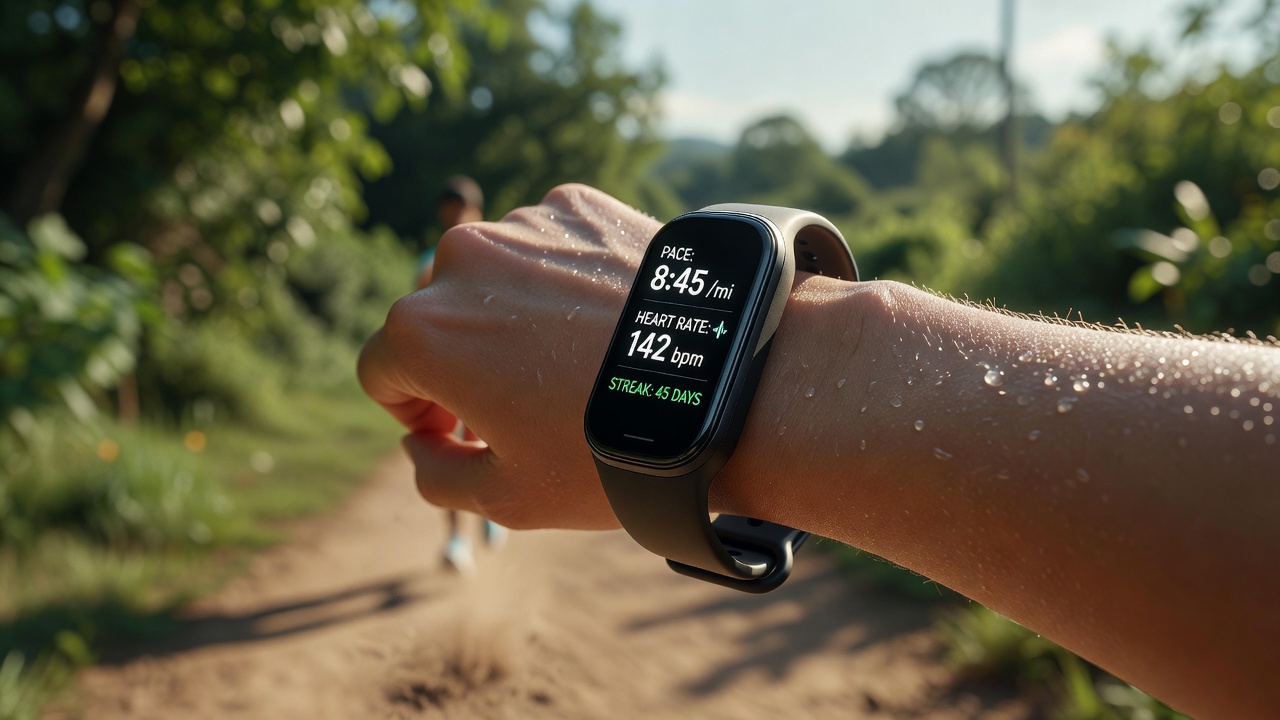
Starting a running habit is exciting yet challenging for many beginners. Modern wearables like smartwatches and fitness bands offer real-time feedback that turns vague goals into measurable progress. These devices track pace, heart rate, and consistency streaks, creating accountability that keeps runners returning day after day. Unlike generic advice, this guide focuses on tech-driven strategies tailored for 2026 beginners seeking sustainable motivation through objective data rather than willpower alone.
Research from health authorities shows regular physical activity improves cardiovascular health and mental well-being. According to the CDC, consistent movement reduces risks of chronic diseases. Wearables make this consistency achievable by gamifying runs through data visualizations and alerts. The World Health Organization further emphasizes that even moderate activity levels can yield significant benefits when maintained over time, and WHO guidelines highlight tracking tools as valuable for adherence.
Beginners often quit within the first month due to lack of visible progress. Wearables solve this by providing instant metrics that celebrate small wins, such as improved heart rate recovery or extended streak counts. This creates a positive feedback loop that builds confidence and routine.
Selecting Beginner-Friendly Wearables in 2026
Choosing the right device starts with understanding your needs. Look for models with intuitive interfaces, long battery life, and essential metrics like pace, heart rate zones, and streak counters. Entry-level options often include GPS tracking and app integration without overwhelming complexity. Consider wrist comfort during sweaty runs and whether the screen remains readable in bright sunlight.
Compare features across popular categories: basic fitness bands for simplicity versus smartwatches with advanced coaching modes. Prioritize water resistance for outdoor runs and comfortable bands that encourage daily wear. Test comfort during short walks before committing to longer sessions. Some 2026 models now feature adaptive displays that adjust brightness automatically and offer guided breathing exercises post-run to aid recovery.
When evaluating options, focus on battery life exceeding five days to avoid frequent charging interruptions. Devices with customizable watch faces allow quick glances at key stats like current streak length without navigating menus. Avoid over-featured models that might distract from the joy of running itself.
Setting Personalized Alerts and Milestones
Custom alerts turn data into motivation. Configure notifications for reaching weekly distance goals or maintaining target heart rate zones. For example, set a gentle vibration when hitting a new streak of five consecutive run days. Personalize further by choosing encouraging messages or simple emoji rewards that appear on the screen.
Break larger targets into micro-milestones. A beginner might aim for 20-minute sessions three times weekly, with the wearable celebrating each completion. This approach builds momentum without burnout. Set escalating challenges once a baseline is established, such as increasing pace by 10 seconds per kilometer after consistent weeks.
Advanced 2026 wearables allow voice-guided alerts during runs, announcing progress in real time. Users report higher satisfaction when alerts are tied to personal values, like celebrating runs completed before work or with family encouragement via shared app notifications.
Integrating Data Insights Into Daily Routines
Sync your wearable with smartphone apps to review trends. Morning check-ins on recovery scores help plan rest days, while evening summaries highlight improvements in average pace. Use insights to adjust routes or intensity gradually. For instance, if data shows elevated heart rate on hilly routes, alternate with flatter paths to maintain enjoyment.
Real-world examples demonstrate impact. One new runner used streak tracking to complete 30 runs in her first two months, crediting visual progress charts for overcoming initial plateaus. Another incorporated heart rate alerts to run sustainably, avoiding early fatigue and building endurance steadily. A third runner combined sleep data from the wearable with run metrics to discover that poor rest nights correlated with slower paces, prompting better evening routines.
Practical Steps for Syncing Apps and Devices
- Download the companion app and create an account using your email or existing health profile.
- Enable Bluetooth on your phone and pair the wearable following on-screen prompts, ensuring the device is charged above 50 percent.
- Grant permissions for location, notifications, and health data sharing to enable full metric tracking.
- Customize dashboard widgets to display pace, heart rate, and streak metrics prominently on the home screen.
- Test a short walk to verify data syncs correctly before your first run, checking for accurate GPS lock.
- Enable automatic backup to cloud storage so historical data remains accessible even if the device is replaced.
- Link third-party apps such as Strava or Apple Health for expanded community features and deeper analysis.
Troubleshoot common sync issues by restarting devices or updating firmware through the app. Regular updates ensure access to the latest motivational features available in 2026 models, including improved AI-driven insights that predict optimal run times based on past performance.
Comparing Entry-Level Models Available in 2026
Entry-level fitness bands excel in simplicity and affordability while delivering core metrics. Smartwatches provide richer displays and longer-term coaching suggestions. Consider battery longevity and ease of strap replacement when deciding between categories. Many users start with a band for its lightweight feel during initial weeks before upgrading to a full watch once habits solidify.
Real-World Runner Success Stories
Many beginners report higher adherence after adopting wearables. A office worker started with basic heart rate monitoring and built up to half-marathon training by following personalized streak challenges. Data showed consistent improvement, fueling continued motivation even during busy periods. A parent who used milestone alerts to fit short runs into family schedules achieved 90 percent consistency over three months through simple visual rewards on the device screen. Another example involves a student who synced data with friends for friendly competitions, turning solitary runs into social accountability that sustained motivation through exam seasons.
Overcoming Motivation Plateaus With Data
Plateaus happen when progress feels invisible. Review historical trends in your app to spot subtle gains like improved recovery times. Introduce variety by setting new alerts for cadence or elevation gains. If motivation dips, revisit initial goals and adjust them based on wearable data. Pair runs with social features like sharing streaks with friends for added accountability.
Common Mistakes to Avoid
- Over-relying on daily pace targets without considering recovery metrics, leading to fatigue.
- Ignoring heart rate zone training and pushing too hard on every run.
- Failing to update firmware regularly, missing new motivational tools.
- Setting unrealistic streak goals that cause discouragement when missed.
FAQ: Common Questions on Wearable Setup and Motivation
How do I start tracking my first run?
Launch the app, select outdoor run mode, and begin. The wearable automatically captures pace and heart rate once GPS locks.
What if my device stops syncing?
Check Bluetooth connections, restart both devices, and ensure the app has latest updates. Most issues resolve within minutes.
Can wearables help during motivation plateaus?
Yes, by highlighting small wins through streak counters and trend graphs that remind you of overall progress.
Are entry-level models sufficient for beginners?
Absolutely. Focus on core metrics like pace and heart rate rather than advanced analytics when starting out.
How often should I review my data?
Weekly reviews work well for beginners, allowing time to adjust routines without becoming obsessive about daily numbers.
By leveraging these tools thoughtfully, beginners can build lasting running habits supported by objective feedback and encouraging milestones that evolve alongside their fitness journey.

No comments yet. Be the first!