 The Runner Story

Introduction: Why Trail Running Revives Beginner Motivation
Many new runners start on pavement but quickly feel bored or burned out. Switching to trails offers variety in scenery, terrain, and mental engagement that roads cannot match. In 2026, this shift aligns perfectly with search intent around mental refresh and sustainable habits. Trail running challenges your body differently while reducing repetitive stress, helping beginners build lasting motivation through natural exploration and small wins. Research from authoritative sources shows that varied environments improve adherence to exercise routines. Trail surfaces engage stabilizing muscles more than flat pavement, leading to better overall fitness gains over time. Beginners often report that the ever-changing landscape keeps runs feeling fresh, turning what was once a chore into an adventure that encourages consistent participation throughout the year.
The mental benefits extend beyond simple variety. Natural settings help reduce anxiety and improve focus, creating a positive feedback loop that reinforces the habit of running regularly. This article covers everything from safety fundamentals to gear selection, trail discovery, and structured progression so you can transition smoothly and stay motivated long-term.
Trail Running vs. Pavement: Key Benefits Comparison
Understanding the differences helps beginners appreciate why trails spark renewed enthusiasm. Pavement offers predictability but often leads to monotony and higher impact on joints. Trails provide softer surfaces that absorb shock, reducing injury risk while offering constant changes in elevation and footing that keep the mind engaged. Mental refresh comes from natural surroundings that lower stress levels compared to urban traffic noise. Physical variety improves balance, proprioception, and core strength faster than roads allow. Community and exploration often lead to scenic viewpoints or quiet forests, turning runs into adventures rather than repetitive loops.
Additional advantages include better cardiovascular adaptation due to variable intensity and enhanced proprioception that translates to stronger performance in daily activities. Studies from the Centers for Disease Control and Prevention highlight how outdoor activity in green spaces boosts mood and consistency for new exercisers. The World Health Organization also emphasizes the value of diverse physical activity environments for long-term health adherence. In contrast, road running can feel mechanical, while trails foster a sense of discovery that reignites passion even after months of consistency.
Safety Basics for First-Time Trail Runners
Before heading out, prioritize safety to build confidence. Always inform someone of your route and expected return time. Start during daylight hours on well-marked paths. Carry a basic first-aid kit and a charged phone with offline maps downloaded. Learn to recognize trail markers and practice turning back early if conditions change. Wildlife awareness is essential—make noise on blind corners and store food properly. Beginners should avoid remote areas until comfortable with navigation. Additional precautions include checking local trail conditions via park websites, wearing bright clothing for visibility, and understanding basic weather interpretation to avoid sudden storms. Practicing on short out-and-back routes builds familiarity with your surroundings and reduces the chance of getting disoriented. Many parks offer free safety orientations that cover local hazards such as poison ivy or slippery rocks after rain.
Essential Gear for Beginner Trail Runners
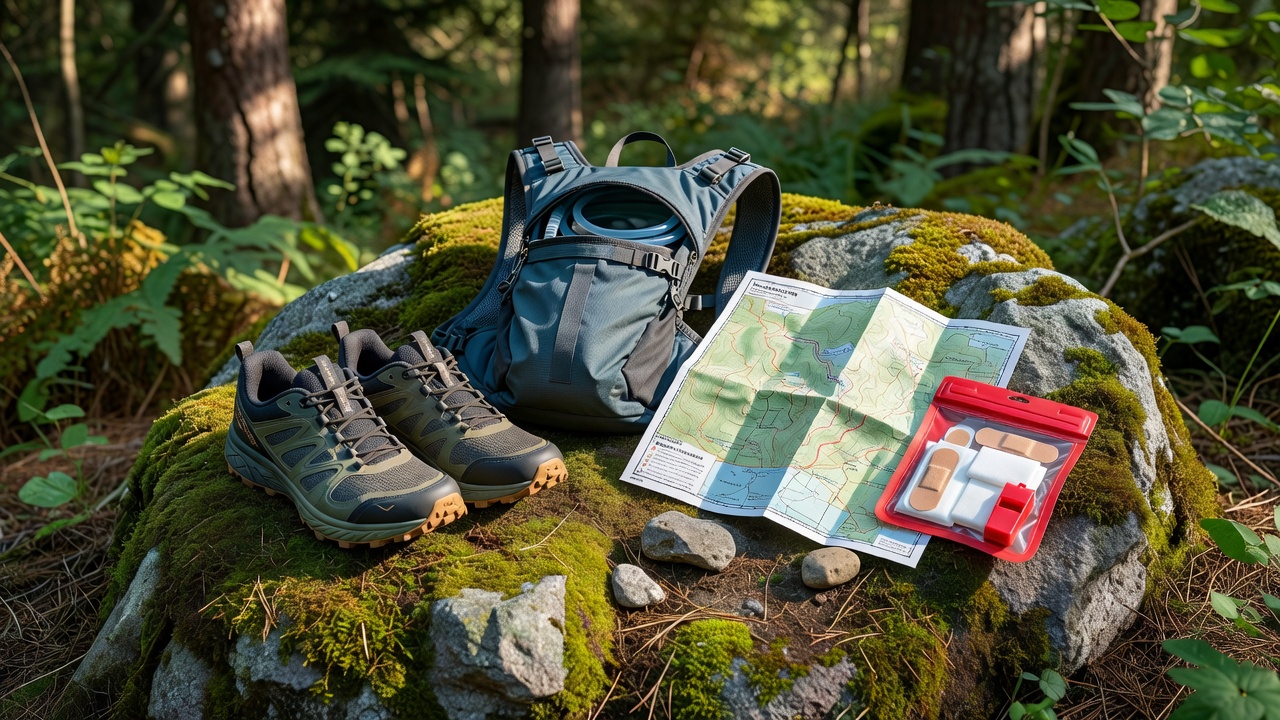
Proper equipment makes the transition enjoyable and safe. Invest in trail-specific running shoes with aggressive tread for grip on dirt, rocks, and roots. A hydration vest or handheld bottle keeps you fueled on longer outings. Lightweight layers handle changing weather, and a headlamp extends safe running into early mornings or evenings. Additional items include trekking poles for steep sections and a whistle for emergencies. Choose moisture-wicking fabrics to stay comfortable. Many beginners find that starting with 3-4 core pieces prevents overwhelm while building a functional kit. Consider socks with extra cushioning around the heel and toe areas to prevent blisters on uneven ground. A small dry bag protects electronics during unexpected rain, and reflective elements on clothing improve safety during low-light conditions near trailheads.
Finding Local Beginner-Friendly Trails
Use apps and websites to locate suitable paths near you. National and state parks often feature easy loops with clear signage. The National Park Service maintains extensive resources for discovering accessible trails across the United States. Local running clubs and outdoor stores frequently host group beginner outings. Search for “easy trail runs near me” and filter by distance and elevation gain. Start with flat, wide paths under 3 miles to build familiarity before tackling technical terrain. Community forums and library bulletin boards sometimes list hidden gems maintained by volunteers. Visiting trailheads on weekends lets you observe other runners and ask questions about current conditions or recommended routes for newcomers.
First-Trail Checklist: Practical Example
Use this checklist before every outing to ensure preparedness: Review weather and trail conditions the night before. Wear trail shoes and test socks for comfort. Pack water, a snack, phone, and identification. Share your planned route and return time with a friend. Carry a map or GPS app with offline capability. Apply sunscreen and insect repellent as needed. Warm up with dynamic stretches focusing on ankles and hips. This simple routine reduces anxiety and sets the stage for positive experiences. For a real-world example, a beginner preparing for a 4-mile loop might print a paper map as backup, pack two energy gels, and note the location of the nearest restroom at the trailhead parking area.
Simple Progression Plans to Build Consistency
Follow a gradual plan to avoid burnout or injury. Week 1-2: Walk-run intervals on easy trails for 20-30 minutes twice weekly. Week 3-4: Increase time to 40 minutes, adding gentle hills. By month two, incorporate one longer adventure run of 60 minutes while keeping two shorter sessions. Continue building by introducing one technical section per week and alternating terrain types to prevent overuse. Track heart rate or perceived effort to ensure you stay in an aerobic zone that feels sustainable. Include recovery weeks every fourth week where volume drops by 30 percent. Many runners report higher enjoyment and better adherence after six consistent weeks on trails. A sample month-three schedule might look like: Monday easy 30-minute trail jog, Wednesday 45-minute hill repeats on a gentle grade, and Saturday a 75-minute scenic loop with a friend.
Common Mistakes to Avoid for New Trail Runners
New runners often make avoidable errors that dampen motivation. Skipping warm-ups leads to tight calves on descents. Wearing road shoes instead of trail shoes increases slip risk on wet roots. Ignoring hydration until thirst sets in causes early fatigue. Pushing distance too quickly results in soreness that discourages the next outing. Failing to research trail difficulty ratings can lead to unexpectedly challenging terrain that feels discouraging rather than rewarding. Learning from these pitfalls through short practice runs helps maintain steady progress and enthusiasm.
FAQs: Addressing Common Fears
How do I handle uneven terrain as a beginner?
Start slow and keep eyes 5-10 feet ahead to anticipate obstacles. Shorten your stride and land lightly on the midfoot. Practice on very easy paths first to develop confidence and ankle strength. Over time, your body adapts naturally, turning potential stumbles into controlled steps that build resilience and coordination.
What about wildlife encounters?
Most animals avoid humans. Make your presence known with conversation or music at low volume. Carry bear spray in known habitats and never approach or feed wildlife. Education from park rangers provides the best local guidance. Observing tracks and scat during daylight runs helps you understand animal patterns without direct confrontation.
Is trail running more dangerous than road running?
With proper preparation, trails are comparably safe. The softer surface often reduces repetitive impact injuries common on pavement, though falls on roots require caution. Beginners who respect the environment and start conservatively enjoy high safety margins. Group runs with experienced leaders offer an extra layer of security while you gain experience.
Conclusion: Start Your Trail Journey in 2026
Trail running transforms the beginner experience by replacing repetition with discovery. By focusing on safety, smart gear choices, local trails, and steady progression, you create sustainable motivation that lasts. Embrace the variety and mental refresh trails provide—your running journey will feel renewed and exciting for years ahead. Consistent practice on trails builds both physical capability and a deeper connection to the outdoors that keeps you returning week after week.


No comments yet. Be the first!