 The Runner Story
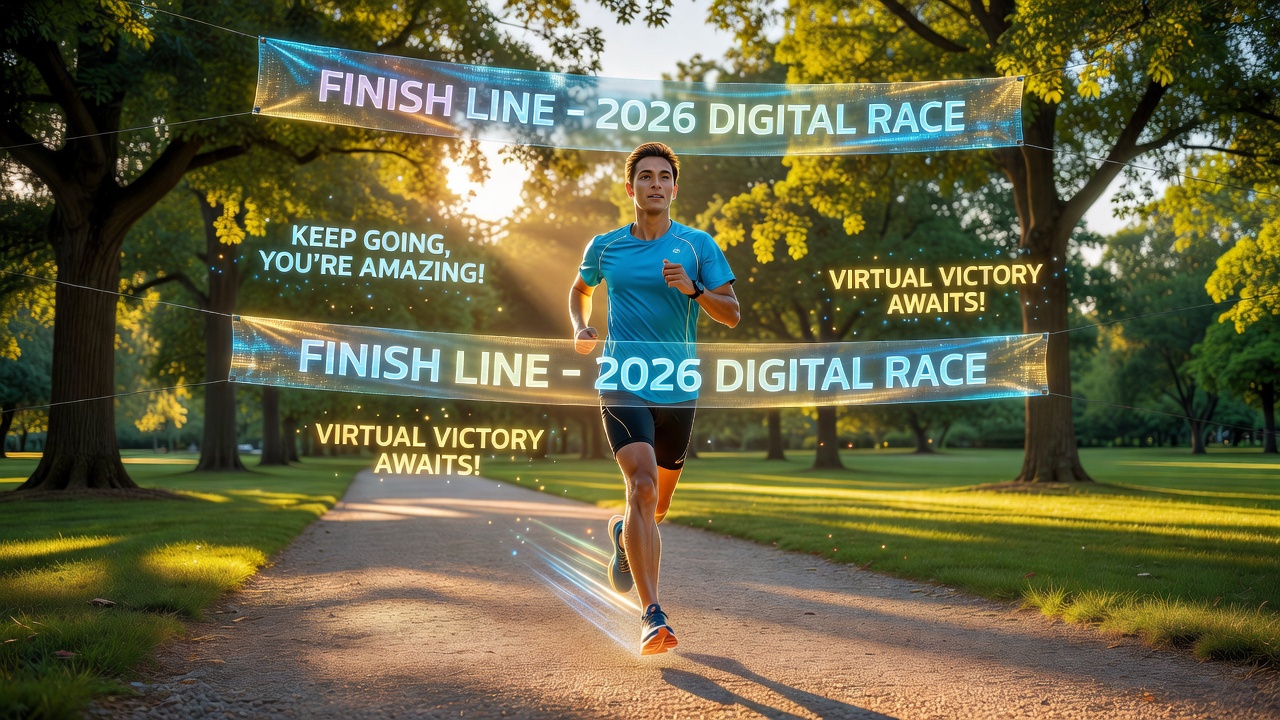
Introduction: Why Virtual Races Matter for New Runners
Starting a running habit can feel overwhelming, especially when traditional races involve travel, crowds, and fixed schedules. In 2026, virtual races have emerged as a powerful alternative, offering goal-oriented challenges that fit into busy lives while building lasting motivation. These events allow beginners to run anywhere, track progress digitally, and earn medals without the pressure of in-person competition. Many new runners struggle with consistency because life gets in the way, but virtual formats remove those barriers by letting you choose your time and location.
Virtual races align perfectly with 2026 digital fitness trends, where apps and online platforms make training accessible. Whether you're aiming for your first 5K or building consistency, these events provide structure and achievement. This guide covers selecting events, preparation routines, tracking tools, and community building to keep you engaged long-term. Real-world examples show how beginners have used virtual races to go from couch to consistent runner over several months.
Understanding Virtual Races and Their Benefits for Beginners
Virtual races let participants complete a set distance on their own time and route, then submit results via an app or photo proof. Unlike in-person events, there's no start line pressure or weather worries. For beginners, this flexibility reduces anxiety and encourages steady progress. You can run on familiar neighborhood streets, treadmills during bad weather, or even while traveling for work.
Key benefits include personalized pacing, lower costs compared to travel-heavy races, and immediate feedback through digital leaderboards. Research from the World Health Organization highlights how regular physical activity improves mental health, which virtual races support through achievable milestones. Compared to traditional races, they foster intrinsic motivation by focusing on personal goals rather than competition. Another authoritative source, the Centers for Disease Control and Prevention, notes that consistent moderate activity like running lowers risks of chronic diseases, making virtual races a practical entry point for lifelong habits.
Selecting Beginner-Friendly Virtual Events in 2026
Choose events designed for novices, such as 5K or 10K virtual challenges with no time limits. Look for platforms offering themed races, like charity runs or seasonal challenges, to add fun. Check reviews for clear instructions and reliable medal shipping. In 2026, many events incorporate augmented reality filters or social sharing features that make the experience more engaging.
Popular options include monthly subscription-style races or one-off events tied to holidays. Prioritize those with app integration for easy result submission. Beginners should start with shorter distances to build confidence before tackling longer virtual challenges. For example, a runner in her thirties might begin with a 5K virtual event themed around spring flowers, completing it over three weeks of short runs before progressing to a 10K.
Step-by-Step Preparation Routines
Effective preparation starts with a consistent training plan. Follow these steps:
- Assess your current fitness level with a simple walk-run test over 20 minutes.
- Build a base with 3 runs per week, mixing easy jogs and rest days to allow recovery.
- Incorporate strength exercises like squats, lunges, and planks twice weekly to prevent injury.
- Simulate race conditions by running your planned distance 1-2 weeks prior on a similar surface.
- Plan nutrition and hydration based on your route, testing energy gels or water intake during longer sessions.
- Schedule recovery days with light walking or yoga to maintain momentum without burnout.
Track weekly mileage increases gradually, aiming for no more than 10% growth to avoid burnout. This routine turns virtual races into sustainable habits rather than one-off efforts. A practical example: a complete beginner might start with 15-minute run-walk intervals and gradually extend continuous running time over six weeks leading up to a virtual 5K event.
Creating a Personal Running Schedule Around Virtual Races
Integrate virtual races into a broader weekly schedule. Dedicate specific days for speed work, endurance runs, and cross-training. Use a calendar app to block time and set reminders. For 2026, many runners combine virtual races with seasonal goals, such as completing one event per month to maintain variety and prevent boredom.
Adjust the schedule based on life demands. If work is busy, shift runs to early mornings or lunch breaks. This flexibility is a core advantage over fixed in-person races.
App-Based Tracking Methods for Accountability
Modern apps make virtual racing seamless. Use Strava or Nike Run Club to log runs, set virtual race goals, and join challenges. These tools provide GPS tracking, pace analysis, and social sharing features that boost motivation through virtual badges and streaks. Beginners often find that seeing weekly summaries encourages them to lace up even on low-energy days.
For 2026, integrate wearable devices like fitness watches for real-time data. Apps often include training plans tailored to virtual events, with reminders and progress visuals. Combine multiple apps for comprehensive tracking: one for distance, another for community features. An example is a new runner using an app's guided audio coaching during solo runs to mimic the support of a group training session.

Building an Online Running Community
Community is crucial for long-term motivation. Join virtual race Facebook groups or Discord servers to share experiences and celebrate finishes. Many events host live streams or post-race chats, creating connection without physical meetups. Sharing your race medal photo online often leads to encouraging comments that reinforce your progress.
Follow running influencers on social media for tips and encouragement. Participate in group challenges within apps to race alongside others virtually. This sense of belonging mirrors in-person race energy while offering 24/7 support. Real stories show beginners forming accountability pairs through app forums, checking in weekly on their virtual race training.
Comparing Virtual Races to In-Person Events
Virtual races excel in flexibility and accessibility but lack the live atmosphere of traditional events. In-person races offer crowd energy and official timing, yet require more logistics. For beginners, virtual options reduce barriers like cost and intimidation, making them ideal starters. You can repeat the same course multiple times to improve without entering new events.
Many runners use virtual races to train for future in-person goals. Hybrid models in 2026 blend both, letting you run locally and sync with global participants through shared leaderboards.
Nutrition, Recovery, and Injury Prevention Tips
Support your training with balanced meals rich in protein and complex carbs. Stay hydrated throughout the day, not just during runs. Prioritize sleep and include foam rolling sessions after longer efforts. Common beginner mistakes include skipping warm-ups or increasing distance too quickly; avoid these by following a structured plan and listening to your body.
FAQ: Common Questions About Virtual Races
How much do virtual races typically cost?
Entry fees vary but often range from entry-level to premium packages, depending on medals and swag. Focus on value rather than price alone, and many platforms offer free or low-commitment starter events for newcomers.
What if I can't maintain a steady pace?
Virtual races accommodate all paces. Walk breaks are encouraged for beginners, and most platforms don't enforce strict timing. Focus on finishing rather than speed to build confidence over time.
Are virtual races suitable for complete beginners?
Yes, many events cater specifically to new runners with shorter distances and supportive resources. Start small and celebrate every completed kilometer.
Can I run virtual races with friends who live far away?
Absolutely. Many platforms allow you to form teams or share results, so distant friends can participate in the same event on different routes and compare times.
Conclusion: Start Your Virtual Race Journey Today
Virtual races provide an accessible path to running motivation in 2026, combining flexibility with meaningful goals. By selecting the right events, following structured routines, leveraging apps, and engaging communities, beginners can transform running from a chore into a rewarding habit. Begin with a small virtual challenge this month to experience the benefits firsthand and build momentum for the year ahead. The combination of personal achievement and digital support makes 2026 an ideal time to start.


No comments yet. Be the first!