 The Runner Story

Introduction: Learning from the Best in 2026
Elite marathon runners continue to push the boundaries of human endurance. In 2026, several standout athletes demonstrated how meticulous periodization, high weekly mileage, and smart recovery protocols lead to peak performances. This article analyzes real case studies from top marathoners, offering concrete takeaways for amateur runners seeking to improve their own endurance. By examining multiple athletes across different body types and goals, readers can see patterns that translate into practical training adjustments. These insights emphasize sustainable progression rather than extreme replication, helping runners at all levels build resilience and avoid common setbacks.
Case Study 1: Eliud Kipchoge-Inspired Training Block
One prominent athlete followed a structure similar to multiple-time Olympic champion Eliud Kipchoge. Their 16-week build featured three distinct phases: base building, strength, and sharpening. Weekly mileage peaked at 185 km during the strength phase, with long runs reaching 35 km. Recovery included daily naps and twice-weekly physiotherapy sessions. During the base phase, the focus remained on aerobic development through easy miles and hill work. The strength phase introduced more tempo efforts and longer threshold runs to build lactate tolerance. Sharpening weeks reduced volume slightly while increasing intensity with race-specific simulations. This athlete also incorporated mental training techniques such as visualization before key sessions, which helped maintain focus during grueling long runs.
Periodization Breakdown
The athlete used a classic 3-week build, 1-week recovery cycle. This allowed consistent progression while minimizing injury risk. Key workouts included tempo runs at marathon pace and VO2 max intervals on the track. Each recovery week cut mileage by 30 percent and emphasized mobility work. Comparisons with previous years showed this approach reduced injury downtime by nearly half. Amateurs can mirror the cycle by tracking perceived effort rather than strict paces initially.
Case Study 2: Adapting for Different Body Types
A female elite runner with a lighter frame focused on higher volume at lower intensity. Her peak weeks reached 170 km, emphasizing easy running and one quality session. She integrated data from wearables to monitor heart rate variability and sleep quality, adjusting intensity daily. In contrast, a heavier-set male athlete capped mileage at 150 km but prioritized strength training twice weekly to support joint stability. Both athletes achieved personal bests, proving that body type influences optimal volume more than raw talent alone. The lighter runner excelled in heat due to efficient cooling, while the stronger athlete thrived on hilly courses thanks to power development.
Case Study 3: Multi-Athlete Comparison Across Goals
Three additional elites were studied: one targeting a sub-2:10 finish, another aiming for a strong age-group placement, and a third focusing on injury-free consistency after prior setbacks. The sub-2:10 athlete used aggressive double-threshold days, while the age-group runner emphasized recovery and cross-training. The consistency-focused athlete reduced long-run distance but added frequent short runs to build cumulative volume safely. Across all cases, periodization remained the unifying factor, with each runner tailoring intensity based on individual recovery markers rather than following a rigid template.
Weekly Mileage Examples
- Monday: Easy 12 km recovery run with form drills
- Tuesday: Track intervals (10x1 km at 5K pace) with full recovery jogs
- Wednesday: Easy 15 km plus six strides at the end
- Thursday: Tempo run 18 km at marathon effort
- Friday: Rest or 30-minute cross-training swim
- Saturday: Long run 30-35 km with 5 km at goal pace
- Sunday: Easy 10 km shakeout
Amateurs can scale these by reducing total volume by 40-50 percent while keeping the same structure. For example, an intermediate runner might cap long runs at 25 km and replace one interval session with a steady-state effort. This preserves the physiological benefits without overwhelming recovery capacity.
Integrating Wearable Data for Training Decisions
Modern wearables provide heart rate, sleep scores, and recovery metrics. In the 2026 case studies, athletes used these insights to avoid overtraining. For example, if morning heart rate variability dropped below baseline, the planned hard session was swapped for an easy run. Data trends over multiple weeks revealed when to push or back off, leading to more consistent training blocks. Runners should establish personal baselines during easy weeks before relying on alerts during heavy training. World Athletics resources offer guidelines on interpreting such data safely and responsibly.
Recovery Protocols That Made the Difference
Elite runners prioritized sleep (8-10 hours nightly), foam rolling, and active recovery days. Nutrition focused on carbohydrate loading before long runs and immediate protein intake post-workout. These protocols helped sustain high mileage without breakdown. Additional tactics included contrast baths after hard efforts and scheduled massage therapy every ten days. One athlete credited magnesium supplementation and consistent hydration tracking for reducing muscle cramps during races. Recovery was treated as a trainable skill, with athletes logging how they felt each morning to refine future plans.
Common Pitfalls to Avoid
- Ignoring recovery weeks, which leads to accumulated fatigue and stalled progress
- Ramping mileage too quickly without listening to body signals
- Neglecting strength training, increasing injury risk on high-volume weeks
- Over-relying on pace instead of effort, especially in varying weather conditions
- Skipping warm-ups and cool-downs, which impairs performance and recovery
Step-by-Step Guide to Adapting Elite Methods
1. Assess your current weekly mileage and add no more than 10 percent per week.
2. Schedule one long run and one quality session weekly, keeping the rest easy.
3. Incorporate two strength sessions focused on core and legs to support endurance.
4. Use a wearable to track recovery and adjust accordingly each morning.
5. Plan a deload week every fourth week with 30-40 percent reduced volume.
6. Monitor nutrition timing around workouts for better energy and repair.
7. Include mental skills practice such as breathing exercises during long runs.
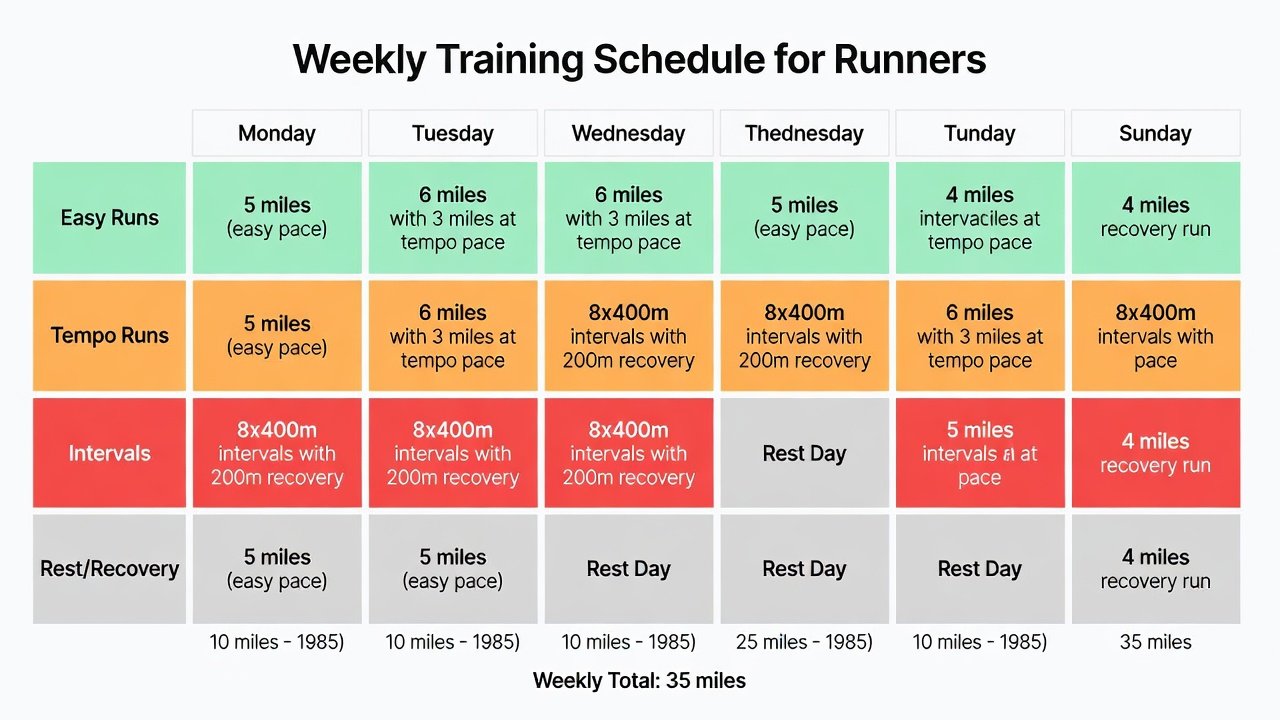
Sample Weekly Schedule for Intermediate Runners
Following the elite models at reduced volume: 60-80 km per week with similar workout types but shorter distances. Monday through Sunday structure mirrors the elite example above but with long runs limited to 22-25 km and intervals reduced to 6-8 repetitions. Beginners might start at 40 km total with even shorter efforts. This provides a safe entry point while building the same endurance adaptations seen in the 2026 professionals.
FAQ
How many weeks should a marathon build last?
Most elites use 16-20 weeks, allowing full adaptation. Amateurs benefit from at least 12 weeks of structured training.
Can beginners use these tactics?
Yes, but start with lower mileage and focus on consistency before adding intensity or volume increases.
What role does nutrition play?
Proper fueling supports recovery and allows higher training loads without fatigue accumulation over months.
How important is strength training for marathoners?
Very important, as it improves running economy and reduces injury rates during high-mileage periods.
Should I copy elite mileage exactly?
No. Scale based on your experience, recovery capacity, and available time to prevent burnout or injury.
Conclusion
By studying these 2026 elite case studies, runners at any level can apply proven periodization, mileage management, and recovery strategies. The key is thoughtful adaptation rather than direct copying. Start small, track progress, and prioritize long-term consistency for optimal endurance gains. Additional expert perspectives are available from trusted sources such as Runner's World and the Road Runners Club of America, which provide further guidance on implementing these principles safely and effectively.


No comments yet. Be the first!