 The Runner Story
Introduction: Crossing the Finish Line with a New Personal Record
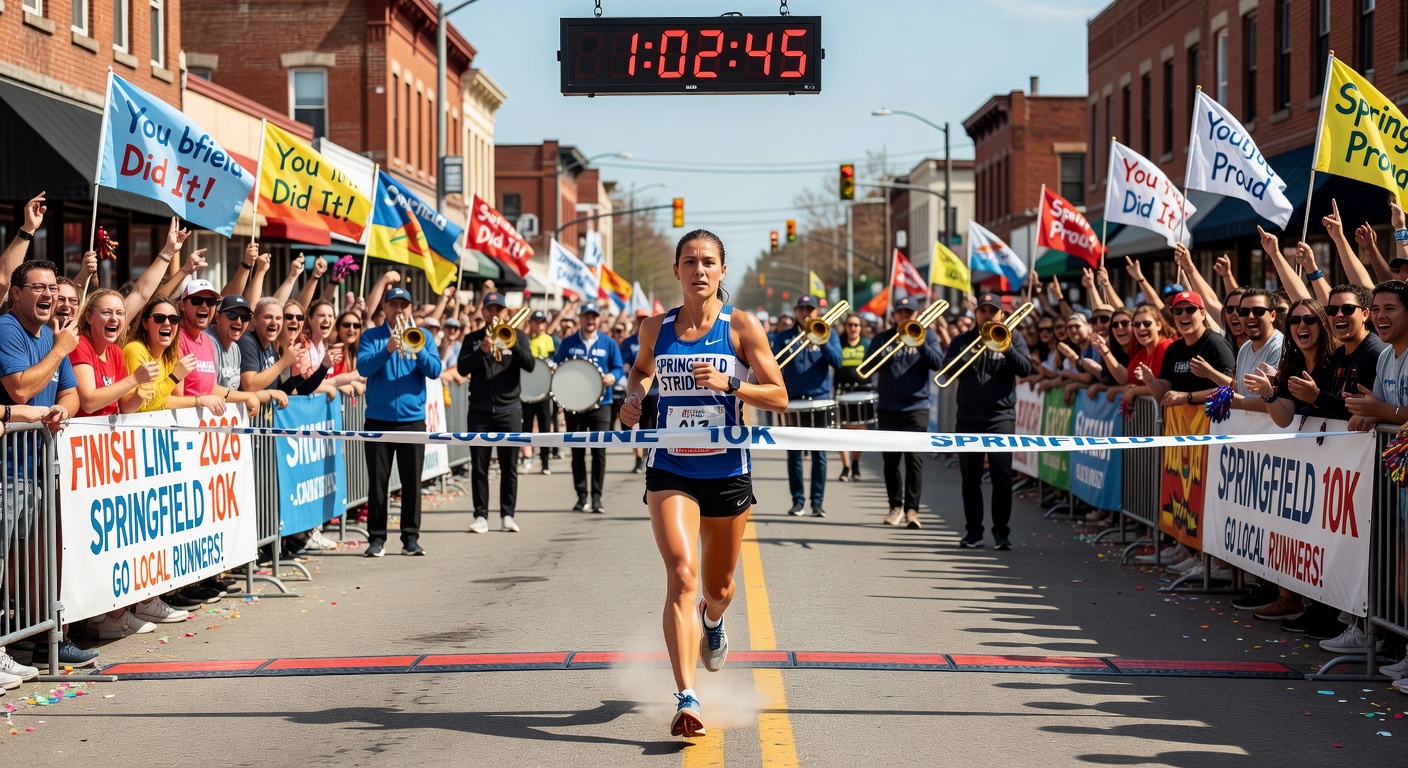
In the spring of 2026, I lined up for a local 10K that transformed my running journey. The event was more than a race; it was a celebration of community spirit that carried me to a personal record of 48 minutes and 12 seconds. This 2026 10K race recap captures the emotional arc from anxious training weeks to the euphoric finish, highlighting how unexpected support from spectators and fellow runners made the difference. After several shorter races that left me unsatisfied, I approached this 10K with deliberate preparation. The course wound through city streets lined with cheering neighbors, local bands, and enthusiastic volunteers. Their energy turned potential fatigue into momentum. The morning air was crisp, and as I pinned on my bib, I reflected on the months of early alarms and weekend long runs that had prepared me for this moment. This race felt different because of the strong local involvement, which added an intangible layer of motivation that no training plan alone could provide.
Pre-Race Nerves and Mental Preparation
The days leading up to the start were filled with familiar jitters. I had trained consistently but worried about hitting the wall around kilometer six. Visualization techniques helped: I pictured myself maintaining even effort while absorbing the crowd's encouragement. Breathing exercises and a light shakeout run two days prior calmed my mind. I also journaled my goals, breaking them into process-oriented targets like staying relaxed in the first half rather than fixating solely on the finish time. On race morning, I arrived early to soak in the atmosphere, chatting with other participants about their own journeys. These conversations eased tension and reminded me that everyone shared similar doubts. Mental preparation extended to reviewing my race plan on a simple note card, which included cues like "relax shoulders" and "smile at the cheers." This holistic approach to nerves proved essential when unexpected challenges arose later.
Training Adjustments That Delivered Results
Building on previous cycles, I incorporated tempo runs at goal pace and one long run that simulated race conditions. Hill repeats strengthened my legs for the slight inclines on course. Recovery days included yoga and foam rolling to prevent overuse injuries. These targeted changes improved my endurance without burnout. My weekly schedule featured four runs: an easy base run, a speed session with intervals, a tempo effort, and a long run building to 12 kilometers. For example, one key workout involved 5x1 kilometer at 4:45 pace with equal recovery jogs, which directly translated to better race control. I also added strength training twice weekly, focusing on single-leg squats and core work to improve stability. Tracking progress in a simple app allowed me to adjust volume based on how my body responded, ensuring I peaked at the right time. These adjustments were not drastic but cumulative, turning consistent effort into measurable gains.
Race Day: Pacing Strategy in Action
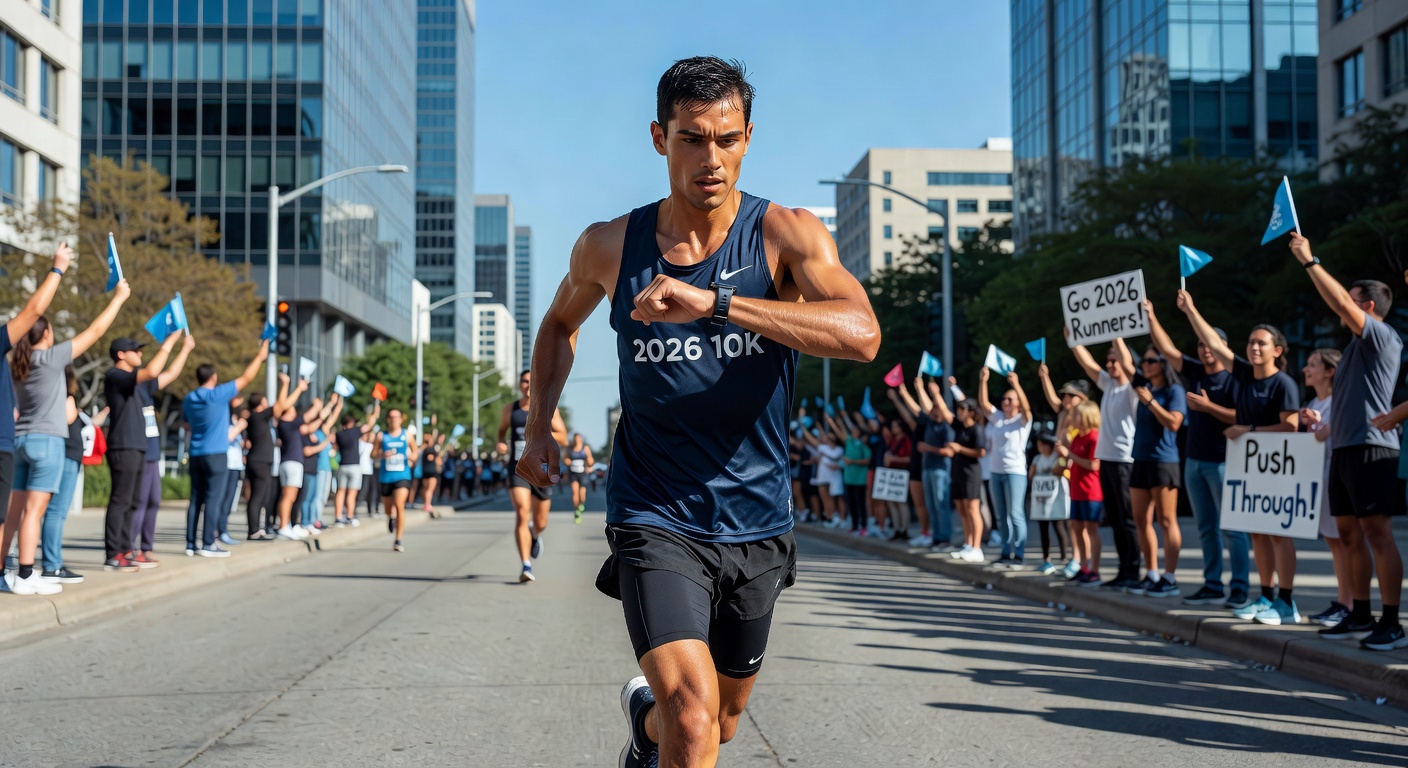
At the starting line, I settled into a conservative first two kilometers, clocking splits just under five minutes per kilometer. By the midpoint, I gradually increased effort, using the cheering sections to push through any doubts. The strategy paid off as negative splitting helped secure the PR. I divided the race into three phases: the opening kilometers for settling in, the middle for maintaining rhythm, and the final push for acceleration. Mile markers and my watch kept me honest, and I avoided the common mistake of surging too early when adrenaline hit. Around kilometer four, I locked into a group of similar-paced runners, which made maintaining pace feel effortless through shared energy. This tactical pacing, refined through training, allowed me to finish strong without the usual late-race slowdown.
Unexpected Obstacles Overcome
A sudden headwind in the final third tested my resolve. I tucked behind a group of runners for drafting and focused on short-term goals, like reaching the next water station. A minor blister that appeared early was managed with quick tape from a volunteer aid station, preventing it from worsening. Additionally, a brief moment of doubt crept in when I spotted a steeper hill than expected on the course map. I countered this by breaking it into segments and using arm swing to power up. Hydration was another factor; I took small sips at each station rather than gulping, avoiding stomach discomfort. These obstacles, while minor, highlighted the importance of adaptability learned from prior training mishaps.
The Power of Crowd Energy and Community Spirit
Nothing prepared me for the boost from spectators. Families with signs, high-fiving kids, and local running clubs chanting created an electric atmosphere. This community spirit directly fueled my final kick, shaving critical seconds off my previous best time from shorter races. At one point near kilometer seven, a group of schoolchildren waved handmade posters, and their enthusiasm sparked a surge of adrenaline that carried me forward. Local businesses had set up music stations playing upbeat tracks, turning the course into a moving festival. The sense of belonging to something larger than individual achievement made every stride feel supported. Reflecting afterward, I realized how this communal element distinguishes local events from larger, more impersonal races.
Gear Choices That Made a Difference
Lightweight racing flats with responsive cushioning kept my feet fresh. A moisture-wicking singlet and compression socks reduced chafing. My GPS watch provided real-time pacing data that kept me on target without distraction. I had tested all items extensively in training, including a trial run in race-day conditions the week before. The shoes, in particular, offered the perfect balance of protection and speed, unlike heavier trainers that had slowed me in past events. A lightweight cap shielded my eyes from the sun without adding weight, and I carried a small gel for mid-race fuel, though I ultimately did not need it due to strong pre-race nutrition. These choices, refined through trial and error, contributed to comfort and efficiency throughout the 10 kilometers.
Comparisons to Prior Shorter Races
Unlike my previous 5K efforts where I often started too fast, this 10K allowed better pacing control. The longer distance rewarded steady effort over raw speed, resulting in a more satisfying performance overall. In earlier 5Ks, I had finished strong but with regrets about uneven splits; here, the extra distance taught patience. My average pace improved by nearly 20 seconds per kilometer compared to those races, thanks to the focused training block. This progression reinforced the value of building distance gradually rather than rushing into longer events unprepared.
Step-by-Step Recovery Tips
- Immediate cool-down walk followed by gentle stretching to flush out lactic acid.
- Hydration and a balanced meal within 30 minutes post-race, emphasizing protein and carbohydrates.
- Active recovery like easy cycling or swimming the next day to promote blood flow.
- Monitoring for soreness and incorporating rest days before resuming training, typically 48 hours of lighter activity.
- Using compression garments and elevation for legs to reduce swelling in the evenings.
- Reflecting on the race in a journal to capture lessons for future events.
Following this routine helped me return to training feeling refreshed rather than depleted.
FAQ: Common 10K Questions for Beginners
How long does it take to train for a 10K?
Most beginners need 8-12 weeks of consistent training, starting with a mix of walk-run intervals and building to continuous running. A sample plan might include three runs per week plus cross-training, with progressive increases in weekly mileage to avoid injury.
What should I eat before a 10K?
A light carbohydrate-rich meal two hours before the start, such as oatmeal with banana, provides sustained energy without digestive issues. Avoid high-fiber foods that could cause discomfort during the race.
How do I avoid hitting the wall?
Practice pacing during training runs and stay hydrated. The World Athletics site offers evidence-based endurance guidelines that emphasize gradual adaptation and mental strategies.
Is a 10K suitable for first-time racers?
Yes, with proper preparation. Many runners progress from 5Ks to 10Ks successfully, as outlined in resources from the Runner's World community and the Road Runners Club of America.
What if I get injured during training?
Listen to your body and consult a professional if pain persists. Cross-training alternatives like swimming can maintain fitness while allowing recovery.
Conclusion: The Lasting Impact of Community
This 2026 10K race recap underscores how external support can elevate personal performance. The lessons in training, pacing, and recovery will guide my next goals. If you're considering a local event, embrace the community around you—it might just unlock your own PR. The connections formed and the shared joy of the day lingered long after the medals were awarded, inspiring continued commitment to the sport.
No comments yet. Be the first!