 The Runner Story
Introduction: Surviving the 2026 Ragnar Relay Chaos
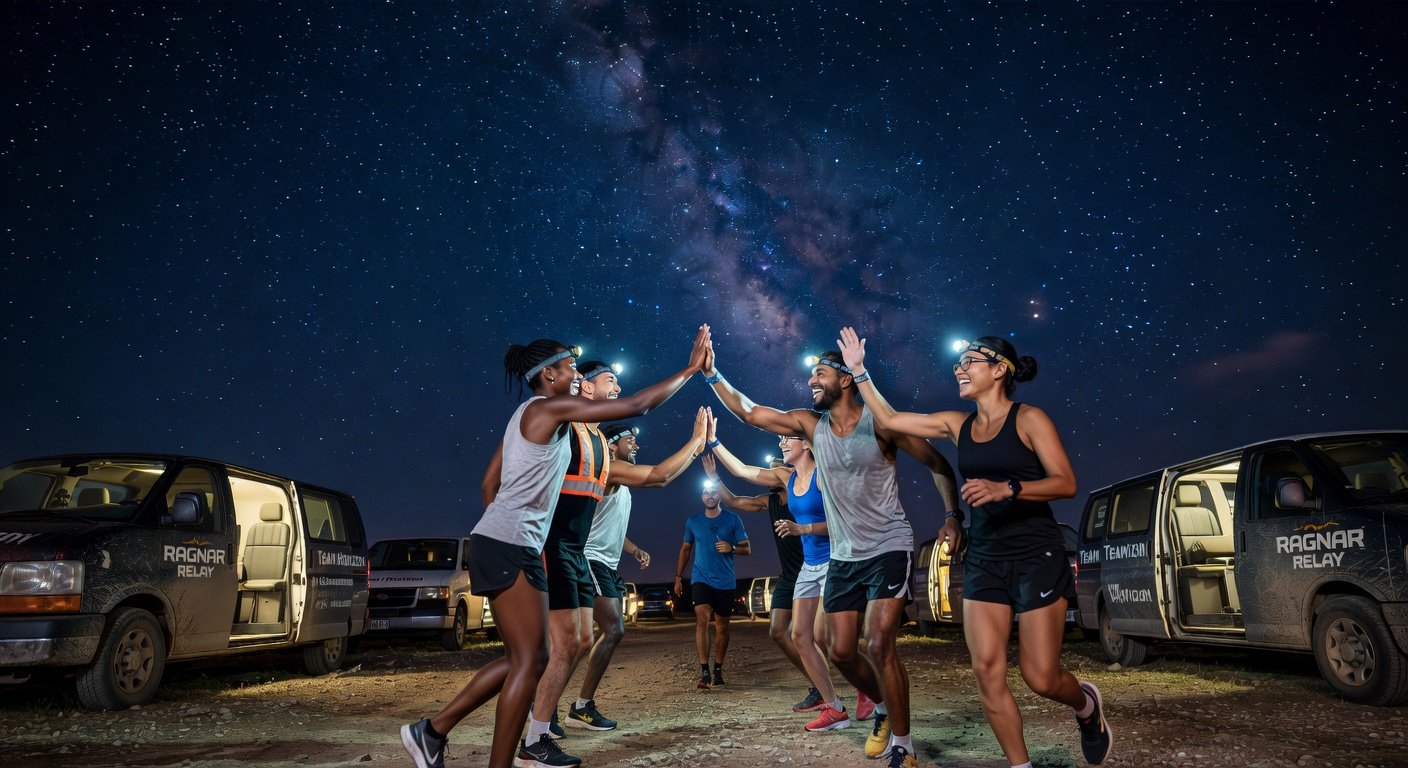
The 2026 Ragnar Relay delivered an unforgettable mix of exhaustion, camaraderie, and pure adrenaline for our team of 12 runners. Covering roughly 200 miles across varied terrain in a 24-hour format, this overnight endurance challenge tested every aspect of preparation and group dynamics. Unlike a solo marathon, the relay format demands seamless handoffs, shared logistics, and constant adaptation to changing conditions. Our squad embraced the chaos, finishing with strong legs and stronger bonds. This recap breaks down exactly how we prepared and executed, offering practical insights for runners eyeing their first multi-leg relay. From initial planning to the final handoff at the finish line, every decision contributed to our success in a race that blends individual effort with collective strategy.
Pre-Race Team Selection: Building the Right Crew
Team selection started months in advance. We prioritized a mix of speeds, experience levels, and personalities to handle the overnight shifts. Two ultra runners anchored the longer legs, while newer runners took shorter, flatter segments. Everyone committed to van duties, including driving and cheering. Key criteria included recent race times, injury history, and willingness to function on minimal sleep. We held virtual meetings to align on goals: finish strong without injuries and enjoy the experience. This upfront effort paid dividends during the race. We also incorporated group training runs on similar terrain to build cohesion, allowing us to test communication styles and identify any potential conflicts early. One runner with strong navigation skills became our designated map reader, while another handled supply lists. This structured approach ensured no single person bore too much responsibility.
Training Leading Up to the Race
Preparation extended beyond individual mileage. We organized weekly team runs that simulated relay conditions, including back-to-back short efforts with quick transitions. Each member followed a base training plan that incorporated hill repeats for the tougher legs and tempo work for speed maintenance. We tracked progress in a shared spreadsheet, adjusting assignments based on improving fitness levels. For example, one runner increased her weekly volume by 20 percent over eight weeks to confidently handle two hilly legs. Incorporating strength sessions twice weekly helped prevent common overuse injuries that often plague relay participants. By race week, the entire team felt prepared both physically and mentally for the demands ahead.
Leg-by-Leg Pacing Strategies
Our pacing plan divided the course into 12 legs, with each runner tackling two. We used elevation profiles and historical weather data to assign legs strategically. Faster runners handled the night legs to maintain momentum when visibility dropped. Real-time adjustments were critical. For example, one runner started conservatively on a hilly section to save energy for a later flat leg. We tracked splits via a shared app, allowing the next runner to warm up precisely. This approach kept our average pace consistent across the full distance. On leg six, unexpected rain forced a slower start, but our pre-planned buffer allowed recovery without overall time loss. Another adjustment came when a teammate reported tight calves; we swapped her upcoming leg with a flatter alternative from a fresher runner, demonstrating the value of flexibility.
Sleep Management Hacks for Overnight Running
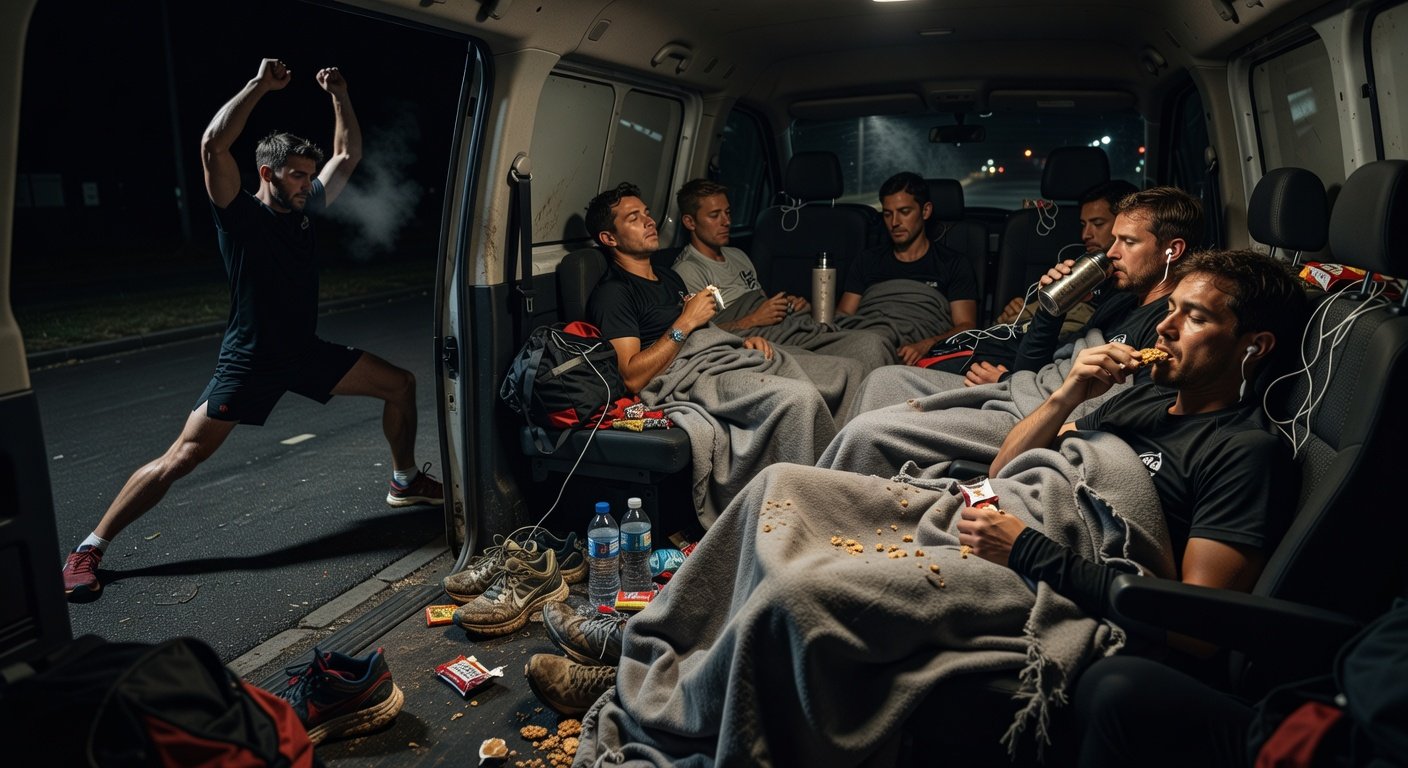
Sleep deprivation hit hardest between 2 a.m. and 5 a.m. Our hacks included micro-naps of 20-30 minutes in the van between legs, blackout curtains, and noise-canceling headphones. One runner used a weighted blanket to improve rest quality during short stops. We rotated driving shifts so no one stayed awake longer than four hours at a time. Caffeine was timed carefully—only after a nap—to avoid crashes during active legs. These tactics helped maintain alertness and reduced errors at transition points. Additional strategies involved progressive muscle relaxation techniques taught by one team member and setting phone alarms for exact wake-up times. In one instance, a runner who struggled with the 3 a.m. shift used a short guided meditation audio to fall asleep faster, emerging more refreshed for her next leg.
Nutrition Swaps During Transitions
Nutrition focused on quick, portable options. We swapped traditional gels for rice balls and electrolyte chews during handoffs to avoid stomach issues. Each van carried a cooler stocked with bananas, turkey wraps, and recovery shakes. Transition zones became mini fueling stations. Runners exiting a leg immediately received a small snack and hydration while the next teammate prepared. This system prevented the bonking common in longer efforts and kept energy levels stable throughout the night. We also experimented with homemade energy bites containing oats, honey, and peanut butter for sustained release. Hydration reminders were sent via group text every hour, and we monitored urine color as a simple dehydration check. These practical swaps proved more effective than standard race fuel for our mixed-pace group.
Comparisons to Solo Marathons
Running a Ragnar Relay feels vastly different from a solo marathon. In a marathon, you control your entire race; here, success depends on teammates. The shorter legs allow higher intensity but require rapid recovery between efforts. Mental fatigue compounds differently—you stay engaged cheering others rather than grinding alone for hours. Many of our runners noted the relay felt more social and less isolating. However, the logistics added complexity absent from point-to-point marathons. Overall, the team format created accountability that pushed individual performances higher than expected. Compared to training for a standalone marathon, relay prep emphasizes recovery protocols and group coordination over pure endurance volume. Runners who had completed marathons previously reported the relay required sharper focus on transitions but offered more frequent moments of celebration at each exchange.
Overcoming Van-Life Fatigue: Real Examples
Van life introduced unique challenges like cramped sleeping quarters and constant motion. One memorable moment came at 3 a.m. when our second van got lost en route to a major exchange. Quick thinking by the navigator and calm communication saved 15 minutes. Another runner battled nausea from winding roads. We countered with ginger chews and fresh air breaks. By the final legs, everyone had adapted, turning potential breakdowns into stories that fueled motivation at the finish line. Additional examples included managing limited restroom access by planning stops at major exchanges and dealing with temperature drops by layering clothing strategically in the vehicle. These real-world hurdles taught us the importance of having backup plans for every scenario.
Safety and Navigation Considerations
Safety remained paramount throughout the event. All runners carried headlamps, reflective vests, and personal locators during night legs. We reviewed course maps multiple times and used GPS apps for real-time routing between exchanges. One team member monitored weather alerts, ensuring we had contingency clothing ready. Navigation errors were minimized by assigning a dedicated co-pilot in each van who cross-checked directions. These measures aligned with general best practices promoted by running organizations such as those detailed on Runners World.
Short FAQ on Relay Logistics and Beginner Tips
- How many runners per team? Standard Ragnar teams have 12 runners split across two vans.
- What distance does each person run? Typically 10-20 miles total, split into two legs.
- Beginner tip: Start with a local relay to test logistics before committing to a full overnight event.
- Van essentials: Include portable chargers, first-aid kits, and extra layers for temperature swings.
- Transition etiquette: Always yield to faster incoming runners and communicate leg details clearly to avoid confusion.
- Weather prep: Pack for all conditions, as overnight temperatures can drop significantly even in mild climates.
Post-Race Recovery Insights
After crossing the finish line, our team focused on immediate recovery steps including light stretching, rehydration, and a shared meal. We scheduled follow-up runs at easy paces the following week to maintain momentum without overload. Sharing experiences through photos and stories helped solidify the team bond and motivated several members to sign up for future relays. Recovery timelines varied, with most returning to normal training within five days.
Conclusion: Why the Ragnar Experience Matters
The 2026 Ragnar Relay reinforced that endurance sports thrive on teamwork. Our triumphs came not just from individual legs but from collective problem-solving and shared resilience. For runners curious about multi-leg relays, the format offers a fresh challenge that builds both fitness and friendships. Prepare thoroughly, communicate constantly, and embrace the overnight chaos—you may discover a new favorite way to race. Additional resources on group running events can be found through established clubs listed at RRCA.

No comments yet. Be the first!