 The Runner Story
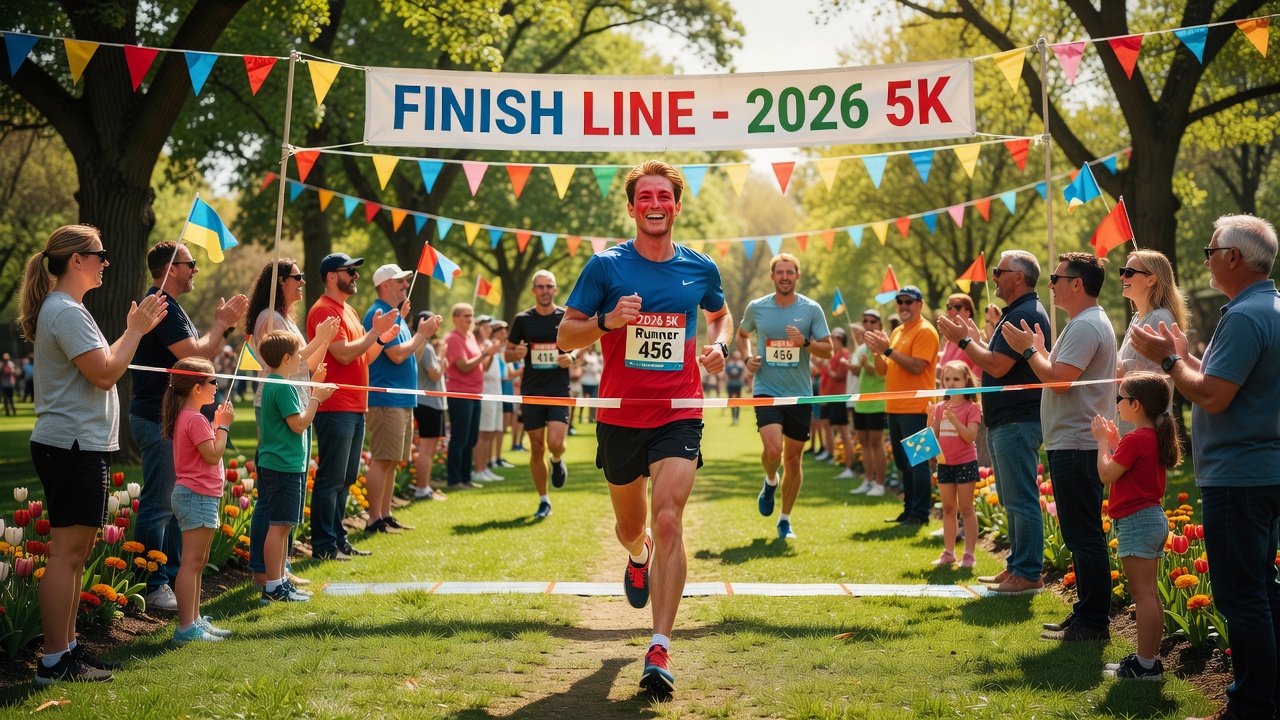
Introduction: My Debut 5K in 2026
Crossing the finish line of my first 5K in 2026 felt like the culmination of months of doubt, dedication, and small victories. As a complete beginner to organized races with no prior athletic background, I signed up on a whim after friends encouraged me to try something new. This recap shares the full journey in detail—from building a running base to managing race-day nerves, navigating the course split by split, and learning hard lessons about pacing—so other first-timers can feel inspired and prepared for their own events. The search for motivational race recaps often comes from beginners craving real stories rather than polished advice. My experience proves that anyone can complete a 5K with consistent effort, even starting from zero fitness level.
Many people hesitate because they fear they are not fast enough or athletic enough. I was one of them. Yet completing this race changed my perspective entirely and opened the door to a healthier lifestyle. Throughout this article I will compare my training experiences directly to race day realities, share specific gear choices that worked, and provide practical takeaways that readers can apply immediately.
Base-Building Training Phase
Training started eight weeks before race day with a simple run-walk method. I began with 20-minute sessions three times per week on flat neighborhood routes. By week four I progressed to running continuously for 25 minutes at a time. Comparisons to training runs showed that my easy pace averaged 12:30 per mile on familiar routes, which gave me confidence for the shorter race distance. In weeks five through seven I added one hill session and one longer endurance run each week, reaching a peak of 4 miles on the weekend. Key to success was gradual increases—no more than 10 percent weekly mileage growth—to avoid injury. I incorporated one strength session weekly focusing on core and glutes, which improved stability during longer efforts. Nutrition played a supporting role; I focused on balanced meals with adequate protein and carbohydrates while staying hydrated. Recovery included foam rolling after every run and at least one full rest day per week. By the final week I tapered mileage slightly and felt stronger than ever before.
Nutrition, Recovery, and Injury Prevention
Beyond mileage, I paid close attention to how my body responded. Sleep became non-negotiable, aiming for seven to eight hours nightly. I experimented with pre-run snacks such as a banana with peanut butter two hours before workouts. Post-run recovery involved chocolate milk or a protein smoothie. These small habits prevented the fatigue that had derailed earlier attempts at consistent exercise. For evidence-based guidance on physical activity, I consulted resources from the Centers for Disease Control and Prevention.
Managing Pre-Race Anxiety
The night before the event, nerves hit hard. Breathing exercises and visualizing the course helped calm my mind. I reviewed my race plan multiple times: start conservatively, enjoy the atmosphere, and focus on finishing rather than time. Many beginners share similar anxiety; acknowledging it as normal reduced its power over me. I also prepared a simple checklist the evening prior so race morning would feel routine instead of chaotic. Packing my bag with familiar items from training runs helped create a sense of control.
Race Day Preparation and Gear Choices
On race morning I woke early, ate the same breakfast I had practiced during training, and arrived at the venue with plenty of time. My gear choices made a noticeable difference. I selected reliable shoes with good cushioning after trying several pairs on easy runs. A moisture-wicking shirt and anti-chafing balm prevented discomfort. A simple GPS watch tracked splits without overwhelming features. These selections mirrored exactly what I used in training, avoiding any new-equipment surprises on race day. I also carried a small water bottle for the first time in a race setting after realizing during a training run how important hydration could be even at shorter distances.
Race Day Experience: Split-by-Split Breakdown
Arriving at the start line, the energy was electric. My bib number felt official yet surreal. The gun sounded and we shuffled forward. First mile clocked at 11:45. Excitement carried me faster than planned, but I reined it in using the pacing cues practiced on training routes. Second mile came in at 12:10. Hills tested my training, yet the crowd support kept spirits high. The scenery along the course provided welcome distraction from growing fatigue. 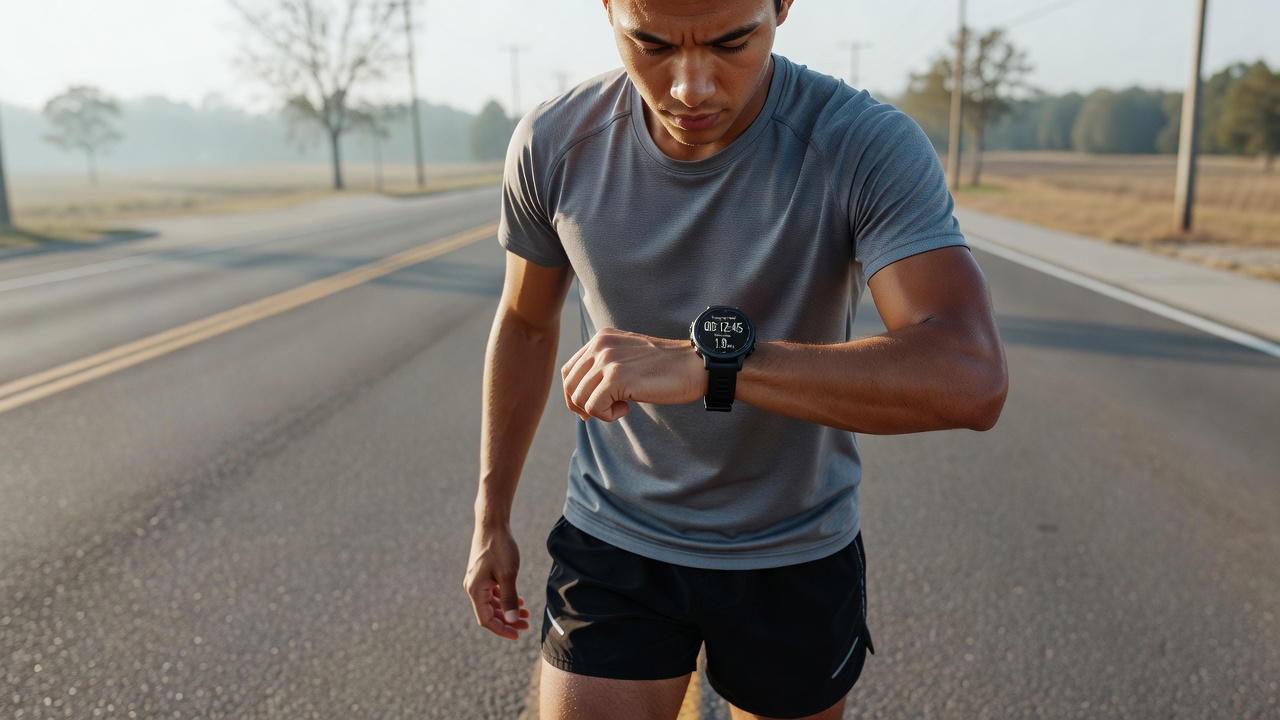
Final mile finished at 11:55. I focused on form and breathing, crossing the line in 37:22—better than my training projections. Post-race I felt accomplished rather than exhausted. Comparing the race splits directly to my training runs highlighted how much adrenaline and community support can elevate performance when managed correctly.
Lessons Learned About Pacing and Mistakes to Avoid
The biggest takeaway was respecting the difference between training runs and race adrenaline. Starting too fast remains a common beginner mistake I narrowly avoided after mile one. Future races will include more negative-split practice during long runs. I also learned the value of celebrating small milestones during training rather than obsessing over pace. Another practical lesson involved listening to my body when minor discomfort appeared; pushing through smartly rather than ignoring signals helped me stay injury-free. For additional expert perspectives on safe running progression, refer to guidance available from the American Heart Association.
Short FAQ: Common First-5K Concerns
- How long should I train? Most beginners need 6–10 weeks of consistent running depending on starting fitness.
- What if I can't run the whole way? Walk breaks are encouraged and still count as finishing successfully.
- Is a 5K too short to matter? Every race builds confidence; many runners progress from 5K to longer distances after this milestone.
- Should I buy new gear before my first race? Stick with items already tested in training to prevent surprises.
- How do I handle race-day nerves? Visualization, breathing exercises, and arriving early all help reduce anxiety.
Post-Race Reflections and Next Steps
After the event I took time to reflect on the entire process. The physical benefits were clear, but the mental boost proved even more valuable. I immediately began researching local events for the following months and encouraged friends to join me. This 2026 5K taught me that personal growth happens one step at a time. The experience was less about speed and more about showing up consistently.
Conclusion and Call to Action
If you have been considering a local event, now is the perfect time to register. Your own inspiring story awaits at the finish line. For broader physical activity recommendations, explore guidance from the Mayo Clinic. Start small, stay consistent, and celebrate every mile.
No comments yet. Be the first!