 The Runner Story

Introduction: Why This 2026 Half Marathon Matters
Completing a half marathon in 2026 was more than a race—it was a testament to personal growth and resilience. After years of shorter distances, I tackled the 13.1 miles with a focus on mental strength amid unexpected challenges. This recap shares the full story from training block through recovery, offering practical advice for runners seeking inspiration beyond elite coverage. Many recreational athletes turn to half marathons as a meaningful step up from 5Ks and 10Ks, and my experience highlights how preparation, adaptability, and mindset combine to create lasting confidence on race day.
Building the Base: Training Journey and Comparisons to Shorter Races
My preparation started six months earlier with a mix of easy runs, tempo sessions, and long efforts. Coming from 5K and 10K races, the jump to half marathon distance required rethinking volume. Previous shorter races taught me the value of consistent mileage, but this cycle emphasized back-to-back long runs to simulate race fatigue. I compared my 10K PR mindset—pure speed—to the endurance focus needed here, which helped prevent early burnout. Weekly mileage climbed gradually from 25 miles to peaks near 45 miles, incorporating one long run of 10 to 14 miles every other weekend. Strength sessions twice a week targeted glutes, hips, and core to handle the course hills that shorter races never demanded. I also tracked perceived effort rather than pace alone, learning that heart-rate zones kept me honest during humid summer training days. This structured approach revealed how half marathon training builds aerobic capacity far beyond what a 10K cycle requires, turning previous speedwork into a foundation for sustained endurance.
Pre-Race Nerves and Mental Preparation
The week before race day brought familiar anxiety. Would my legs hold up on the hills? I used visualization techniques and breathing exercises to manage nerves, drawing from lessons in prior events. Journaling race-day scenarios helped shift focus from outcomes to process, building the mental resilience that proved essential. Each evening I spent five minutes picturing the start line, the first hill, and the final stretch, which reduced restless nights. I also reviewed a simple mantra—“steady effort wins”—that I repeated during tough training runs. These practices mirrored what I had used successfully in 10K events but scaled for the longer commitment, helping me arrive at the start calm yet energized rather than overwhelmed.
Pacing Strategies on Hilly Sections
The course featured several challenging climbs around miles 5 and 9. I adopted a conservative early pace, aiming for even effort rather than strict splits. On hills, short strides and relaxed arms kept heart rate steady. This approach differed from my flatter 10K races, where aggressive pacing worked better. Post-race analysis showed it saved energy for a strong finish. For example, I held a 9:45 minute-per-mile effort on the first incline instead of pushing harder, then recovered on the downhill with controlled strides. Using a GPS watch with grade-adjusted pace helped me stay disciplined when the road tilted upward. Runners often underestimate how hills compound fatigue over 13 miles, but breaking each climb into 30-second segments made the effort feel manageable and preserved glycogen stores for later miles.

Unexpected Weather Challenges on Race Day
Forecasts predicted mild conditions, but a sudden downpour hit at mile 7. Wet roads and cooler temperatures tested gear choices. My moisture-wicking layers performed well, though I adjusted by slowing slightly to maintain form. These conditions highlighted the importance of flexible planning, a lesson many runners learn the hard way. The rain turned the second hill into a slippery test of balance, forcing shorter steps and greater focus on foot placement. I had packed a light shell in my race belt, which I slipped on during a brief aid-station stop. The temperature drop also meant I consumed more warm fluids than planned, reminding me that weather can alter both hydration and energy needs mid-race. Adaptability became the difference between frustration and steady progress.
Crossing the Finish Line: Emotional Payoff
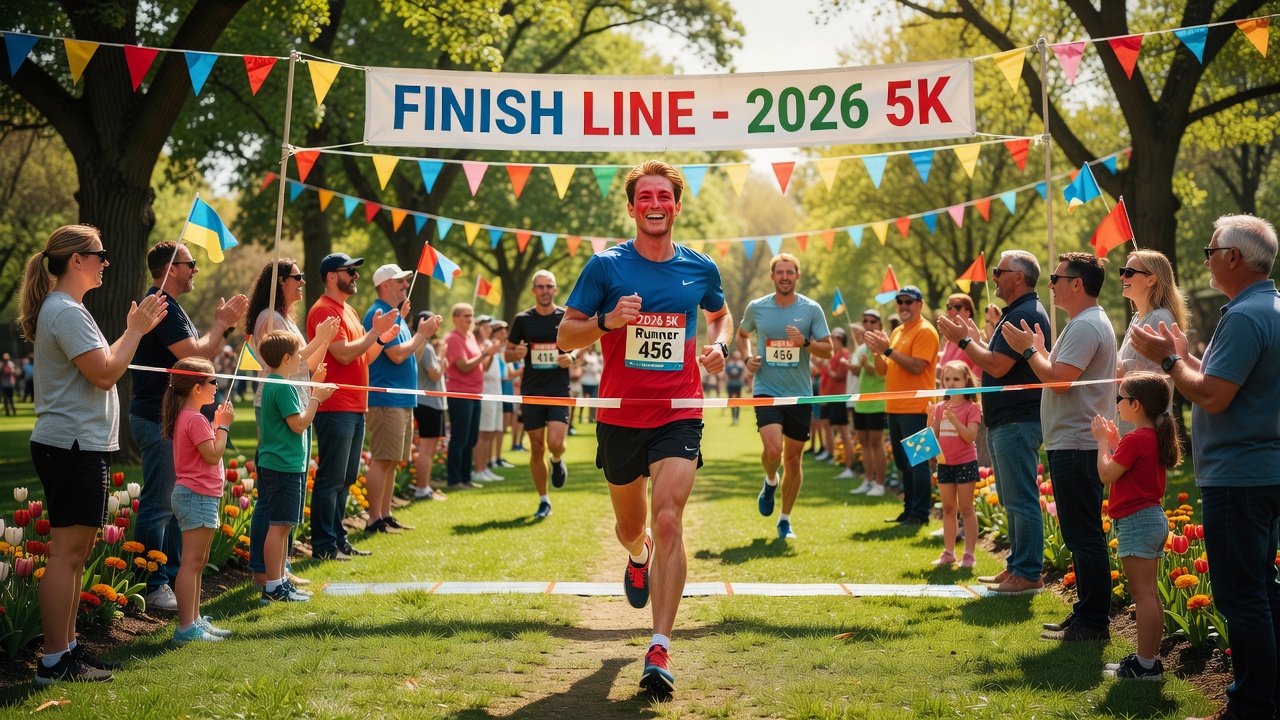
The final two miles brought a surge of emotion as the crowd noise grew. Crossing the line in just over two hours felt like validation of months of effort. The payoff extended beyond time—it reinforced that resilience turns obstacles into achievements. Spectators lined the final stretch, and hearing my name called over the loudspeaker created an unforgettable surge of pride. Unlike shorter races where the finish came quickly, the half marathon allowed time to reflect on every training mile that led to this moment.
Practical Recovery Tips After the Race
Recovery began the moment I stopped moving. I walked for ten minutes to flush lactic acid, then performed gentle dynamic stretches focusing on calves and hip flexors. Within the first hour I consumed a recovery drink with electrolytes and 20 grams of protein. Over the next three days I prioritized sleep, aiming for nine hours each night, and incorporated short walks plus foam rolling twice daily. A protein-rich meal of eggs, spinach, and sweet potato followed the race, supporting muscle repair without overwhelming digestion. I avoided immediate intense workouts, instead using light yoga on day two and a very easy 20-minute jog on day four. Monitoring for excessive soreness or joint pain helped me return to training safely. These steps, informed by general guidance from sources like Mayo Clinic, helped me bounce back faster than after previous races. Listening to my body and resisting the urge to jump back into high mileage proved critical for long-term consistency.
Lessons on Mental Resilience
Throughout the event, mindset shifts proved crucial. Breaking the race into segments, celebrating small milestones, and reframing discomfort as temporary built toughness. Compared to shorter races, the half marathon demanded sustained focus, teaching patience and self-compassion when plans changed due to weather. One effective technique was the “three-mile rule”: every three miles I checked in with my form, breathing, and attitude, resetting any negative thoughts. When the rain started I reminded myself that thousands of runners before me had finished in worse conditions. This perspective, combined with positive self-talk, turned potential setbacks into sources of strength. The experience also showed that mental resilience grows through deliberate practice during training, not just on race day.
FAQ: Common Concerns for Half Marathon Runners
How should I handle hydration during training?
Practice with your race-day plan on long runs. Sip water or sports drinks every 15-20 minutes, adjusting for weather. Avoid overhydrating to prevent hyponatremia. Testing different bottles and gels on training runs of 10 miles or more ensures your stomach tolerates them under fatigue.
What are key injury prevention strategies?
Include strength training twice weekly, prioritize sleep, and listen to your body. Resources such as Runner's World emphasize gradual mileage increases and proper warm-ups. Adding mobility work three times per week can further reduce tightness in hips and hamstrings that often lead to issues.
Is it normal to feel pre-race doubt?
Yes. Channel nerves into preparation routines like course visualization to build confidence. Many experienced runners still feel butterflies; the goal is to use that energy rather than fight it.
How do I choose the right pacing strategy for hilly courses?
Study the elevation profile beforehand and practice hill repeats in training. Aim for consistent effort, not pace, and save aggressive pushes for flat or downhill sections where recovery is easier.
Conclusion: Carrying Resilience Forward
This 2026 half marathon recap illustrates how personal stories fuel growth. Whether facing hills, weather, or self-doubt, the tools of pacing, preparation, and mindset apply broadly. Use these insights to fuel your next run and remember that every finish line is a new beginning. The lessons learned extend beyond one event, shaping how you approach future challenges both on and off the road.

No comments yet. Be the first!