 The Runner Story
Introduction: Surviving 135 Miles Through Death Valley
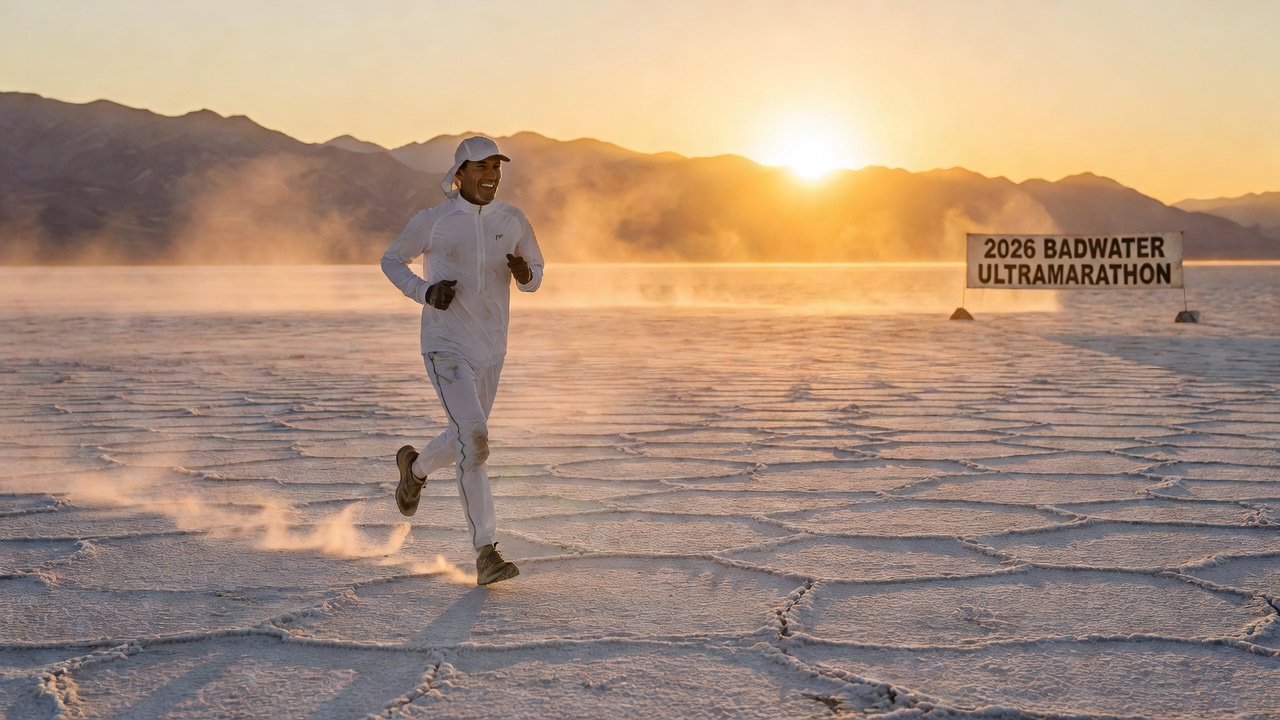
The 2026 Badwater Ultramarathon tested every limit I had as a runner. Covering 135 miles from Badwater Basin to Mount Whitney Portal in temperatures exceeding 120°F, this race demanded desert survival skills far beyond any flat marathon. My journey highlighted specialized training, furnace-like ascents, and tactics against dehydration that every serious ultra runner should understand. Unlike road marathons where shade and aid stations appear frequently, Badwater offers relentless sun, wind, and isolation that force runners to adapt or fail. I finished in just under 38 hours, but the real story lies in the preparation and in-race decisions that kept me moving forward when my body wanted to stop.
Specialized Desert Training Methods
Preparation began months earlier with heat acclimation runs in saunas and midday desert simulations. I incorporated hill repeats on treadmills set to 15% incline while wearing layers to mimic core temperature spikes. Long runs exceeding 30 miles focused on power hiking techniques essential for the race's 14,000 feet of elevation gain, a stark contrast to the steady pacing of road marathons. My weekly schedule included two heat-specific sessions: one 90-minute sauna run followed by a 20-mile trail outing, and another evening run with a weighted vest to simulate the fatigue of carrying extra water weight. I also practiced night running to handle the disorientation that sets in after sunset. These methods built my tolerance so that during the race, 110°F felt manageable rather than overwhelming. Runners coming from flat marathons often underestimate how quickly heat drains glycogen stores, so I tracked my heart rate zones carefully and adjusted effort based on perceived exertion rather than pace alone.
Pivotal Race Moments: Furnace-Like Ascents
The climb from Stovepipe Wells to Townes Pass felt like running inside an oven. At mile 42, the asphalt radiated heat that melted shoe soles in spots. Later, the Panamint Valley descent offered brief relief before the brutal ascent to Father Crowley Point. These sections required constant micro-adjustments to pace and posture. Around mile 65, a sudden headwind kicked up dust that stung my eyes and forced me to pull my buff over my face while still maintaining forward motion. The final push toward Whitney Portal at dawn brought emotional highs as the temperature dropped and the finish line came into view after nearly two full days of continuous movement. Each major climb revealed new physical challenges, from cramping calves to blurred vision, teaching me that success depended on staying present rather than projecting how many hours remained.
Custom Hydration Protocols
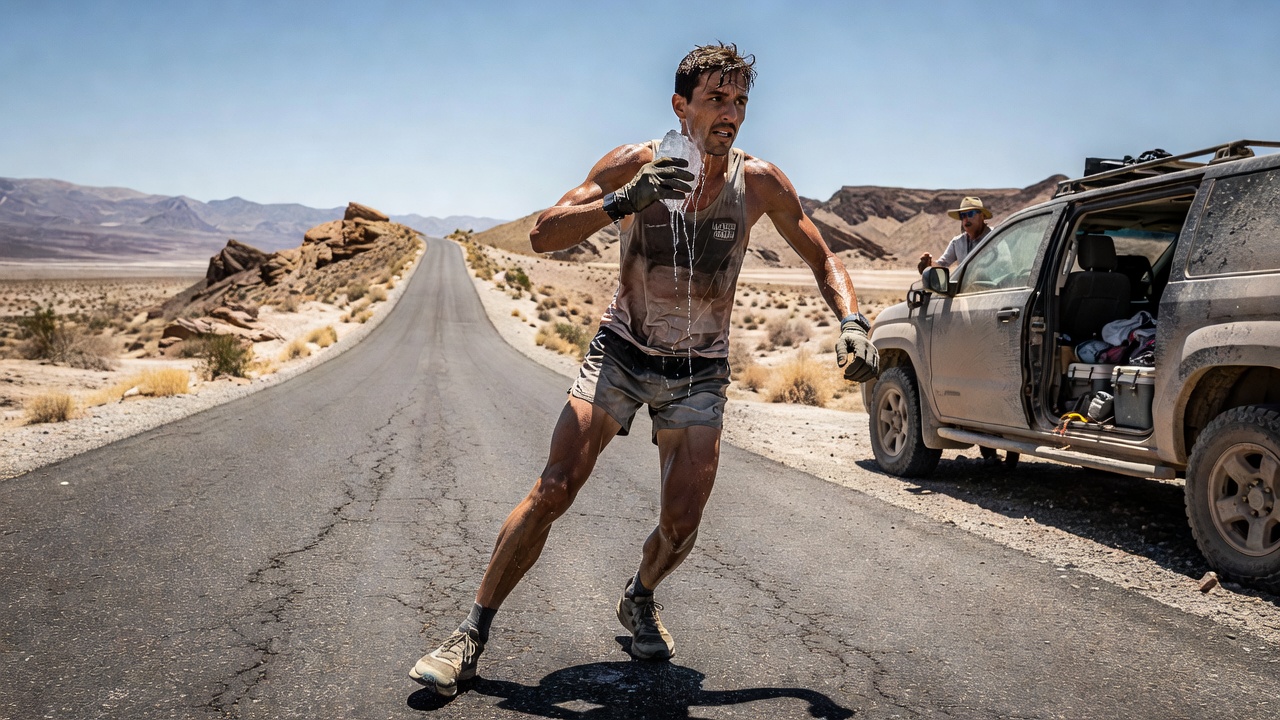
My plan involved 24 ounces of fluid per hour, alternating electrolyte mixes with plain water. I used a 3-liter vest plus two handheld bottles, refilling at crew stops every 5 miles. Monitoring urine color and weight changes prevented hyponatremia, a risk amplified by the dry air. Compared to marathons, where gels suffice, Badwater demanded proactive sodium intake of 1,000 mg hourly. I prepared custom bottles with a mix of 500 mg sodium, 200 mg potassium, and a touch of magnesium, plus one bottle of plain water for rinsing. Weighing myself at each crew stop allowed quick corrections; losing more than two pounds triggered an immediate increase in fluid and electrolytes. This system kept me from the common ultra mistake of overhydrating with plain water, which can dilute blood sodium levels dangerously. Advanced runners should test every element of their protocol during training runs that mimic race conditions as closely as possible.
Crew Coordination Strategies
A three-person crew managed pacing, ice application, and nutrition timing. We rehearsed handoffs during training to shave seconds at aid points. The crew's role in spotting early dehydration signs proved lifesaving during the midnight section near Darwin. Each crew member had assigned tasks: one handled navigation and pacing calls, another managed the cooler and ice sponges, and the third documented my weight and fluid intake. We used a simple radio system for quick updates when the runner and vehicle were separated by several miles. Pre-race meetings covered every possible scenario, from sudden weather changes to medical issues, so no one hesitated when quick decisions were required. Without this level of coordination, even the best training would have fallen short in the desert environment.
Gear Recommendations
Essential items included a white long-sleeve UPF 50 shirt, gaiters to block sand, and Hoka Speedgoat shoes with extra cushioning. A reflective visor and cooling neck gaiter became daily necessities. The crew carried spare insoles and blister kits for quick fixes. I also relied on a lightweight ice bandana that the crew refreshed every 30 minutes, plus a small fan attached to my pack for the hottest stretches. Foot care proved critical; I changed socks at mile 80 and applied fresh lubricant to prevent the blisters that often end races. Compared to marathon gear, everything needed to handle prolonged exposure to dust, heat, and constant motion. Testing each piece during long training runs revealed what worked and what needed replacement before race day.
Step-by-Step Mental Resilience Checklist
- Break the race into 5-mile segments only, celebrating each small victory to maintain momentum.
- Use positive mantras tied to past training successes, such as repeating "I trained for this heat" during the worst climbs.
- Focus on breathing rhythm during heat spikes, inhaling for four steps and exhaling for four to lower heart rate.
- Visualize the finish line at Whitney Portal during low points, imagining the cool air and family waiting there.
- Check in with crew every 30 minutes for accountability and to catch any early signs of trouble before they escalate.
This checklist kept me grounded when fatigue made every step feel impossible. Implementing it in training runs made the process automatic by race day.
Reflective Lessons on Pushing Physical Limits
Badwater taught me that flat marathons build speed, but ultras like this forge true resilience. The mental game outweighed physical training, and small consistent habits prevented total breakdown. Future runners should prioritize recovery weeks post-race to avoid overtraining syndrome. Comparing the two race types shows how Badwater strips away ego; you cannot push through heat the way you might push through a tough marathon finish. Instead, the desert rewards patience and respect for the environment. I learned to celebrate incremental progress rather than overall time, a mindset shift that has improved my performance in every subsequent race.
FAQ on Extreme-Ultra Preparation
- How much training mileage is needed? Aim for 70-100 weekly miles with specific heat sessions 8 weeks out.
- What about sleep during the race? Plan 20-minute catnaps at crew discretion after mile 80 if needed for safety.
- Is crew mandatory? Yes, and experienced pacers add critical safety margins that solo efforts cannot match.
- How do you handle foot care in extreme heat? Change socks every 20-30 miles and carry multiple pairs of well-tested shoes.
- What nutrition works best beyond gels? Real food like rice balls and broth provide sustained energy without stomach issues.
Learn more about ultra running safety from Runner's World and official race details at Badwater. Additional resources on heat acclimation can be found through established endurance organizations.
Conclusion
Completing the 2026 Badwater Ultramarathon reinforced that desert survival hinges on preparation, crew trust, and mental discipline. These lessons translate to any extreme endurance challenge, inspiring advanced runners to explore their own limits responsibly while respecting the unique demands of the desert.

No comments yet. Be the first!