 The Runner Story
Introduction: Why the 2026 Marine Corps Marathon Stood Out
Running the Marine Corps Marathon in 2026 felt like more than just another 26.2 miles. It was a deeply personal journey honoring military service while pushing my own limits. As a runner with several marathons under my belt, I approached this race with both excitement and nerves. The course through Washington, D.C., culminating at the Iwo Jima Memorial, delivered emotional highs and physical challenges that made it unforgettable. This event attracts thousands of participants each year who seek not only a personal best but also a meaningful connection to the armed forces. In this detailed recap, I'll break down my training, race-day experiences, splits, and recovery. Whether you're searching for authentic race recaps or inspiration for your next marathon, this story offers practical insights that go beyond surface-level summaries.
Training Challenges Leading Up to Race Day
Preparation began months earlier with a structured plan focused on building endurance while managing work-life balance. Key hurdles included recurring knee discomfort and unpredictable weather during long runs. I incorporated strength training twice weekly and cross-training on the bike to stay consistent. Comparing this cycle to my previous marathons, the emphasis on recovery runs proved more effective than pure mileage increases. For example, during week eight I dealt with a minor calf strain that forced me to drop a 20-mile long run to 14 miles. Instead of panicking, I added extra physical therapy sessions and foam rolling routines. This approach helped me peak at 42 miles per week without injury. I also tracked my heart rate zones carefully to avoid overtraining, something I neglected in earlier races like the 2024 Chicago Marathon where I hit the wall hard at mile 20.
Gear Checklist for Race Day Success
Testing all items during training prevented any surprises on race morning. My complete list included lightweight running shoes with proven cushioning from a trusted brand, moisture-wicking singlet and shorts to manage sweat, arm sleeves for variable temperatures, a reliable GPS watch for pacing, a small hydration pack paired with energy gels, sunscreen, and anti-chafing balm. Each piece was chosen after multiple trial runs. The shoes, for instance, had logged over 200 training miles so I knew they would perform without blisters. I avoided new gear entirely on race day, a mistake I made once before that led to hot spots and discomfort.
Race Morning and Start Line Energy
Arriving early in Arlington, the atmosphere buzzed with anticipation. Weather started cool at around 48°F, ideal for running. I stuck to my nutrition strategy of a light breakfast and pre-race hydration. The start corral felt electric as thousands of runners prepared to honor the fallen. Volunteers handed out coffee and bananas while military bands played inspiring tunes. I met several other runners sharing stories of family members who served, which set a reflective tone before the gun went off.
Course Highlights and Mile-by-Mile Breakdown
The route offered iconic views of the National Mall and monuments. Here's my mile-by-mile summary with approximate splits and observations:
- Miles 1-5: Steady start through residential areas. Splits averaged 8:45 pace as I settled in behind a group of steady runners.
- Miles 6-10: Crossing the Potomac and hitting the Mall. Pace held at 8:50 amid growing crowds and early cheering sections.
- Miles 11-15: Key Bridge and Georgetown. Slight slowdown to 9:05 due to hills; nutrition intake began with the first gel.
- Miles 16-20: Hains Point loop tested mental toughness. Splits around 9:10 with strong wind gusts that required extra focus on form.
- Miles 21-25: Approaching the memorials. Emotional surge helped maintain 8:55 pace as we passed solemn sites.
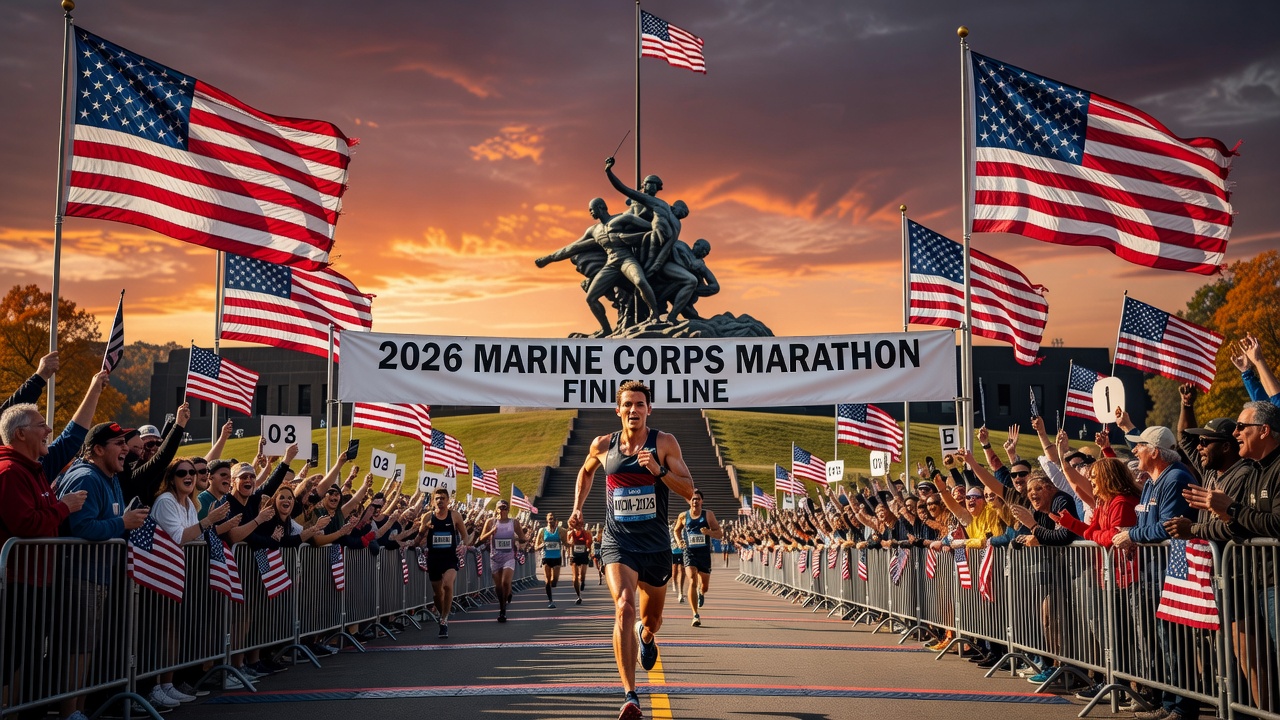
- Mile 26 to Finish: Heroes' Mile push to Iwo Jima Memorial. Final split 8:40 for a chip time of 3:52.
Official Marine Corps Marathon site provides detailed course maps for future reference. The final stretch felt especially powerful as the memorial came into view.
Emotional Moments Honoring Military Service
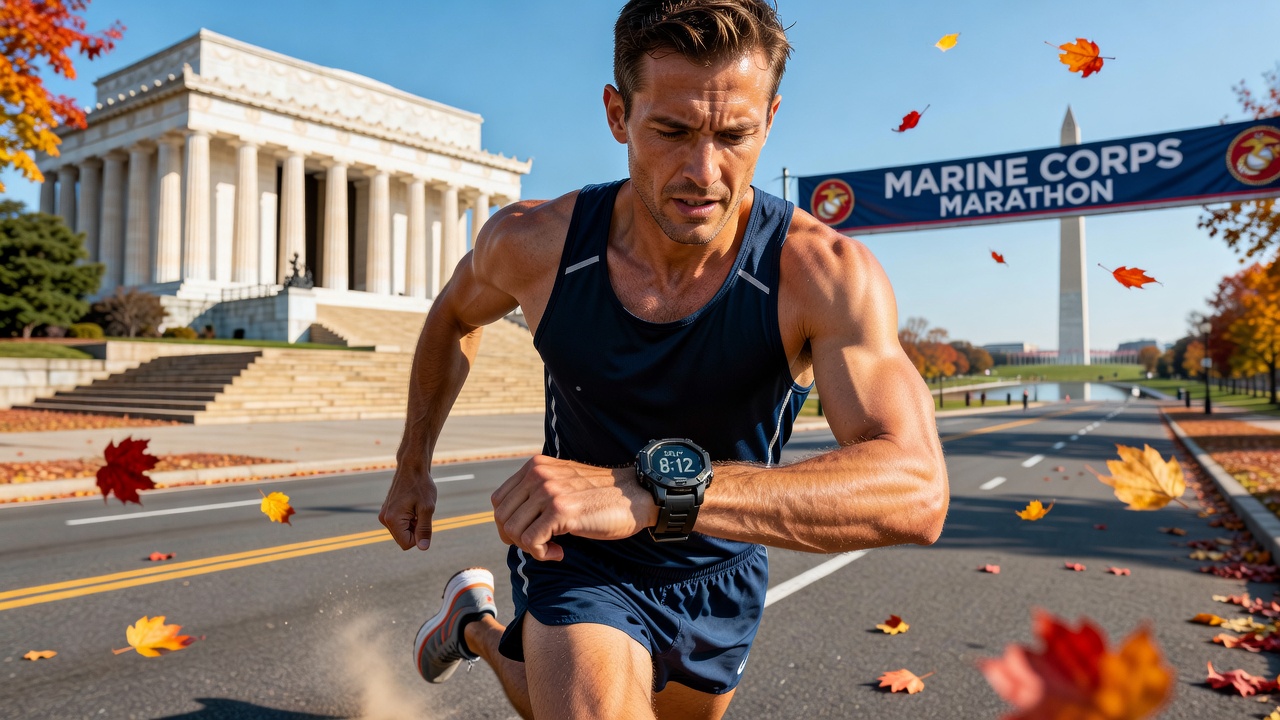
Passing the Iwo Jima Memorial at the finish brought tears. The sight of the flag-raising statue, combined with Marine volunteers cheering, created a profound sense of gratitude. Spectators holding signs for fallen service members added layers of meaning absent from many other races. One particularly moving moment came around mile 23 when a group of veterans lined the course saluting runners. It reminded me why this race stands apart from events like the New York City Marathon, where the focus stays more on personal achievement.
Crowd Support, Weather Impacts, and Nutrition Strategies
Crowd energy remained strong throughout D.C. neighborhoods, providing constant motivation. Weather shifted to warmer conditions by mile 18, forcing extra water stops. My nutrition plan of gels every 45 minutes and electrolyte drinks kept cramps at bay. This approach improved upon my earlier races where I had under-fueled. I carried four gels and sipped sports drink at every aid station after mile 10. The warmer afternoon sun also meant I adjusted my arm sleeves downward to prevent overheating. Spectator signs and live bands kept spirits high even when fatigue set in.
Post-Race Recovery Tips
Immediate recovery involved walking, stretching, and a protein-rich meal. In the following days, foam rolling and light walks helped reduce soreness. Sleep and hydration remained priorities for the first week. Active recovery like swimming accelerated my return to training compared to previous experiences. By day three I felt ready for easy runs again, and within two weeks I resumed normal mileage. I recommend tracking sleep quality and avoiding sudden increases in activity to prevent setbacks.
Comparisons to Prior Races and Lessons Learned
Unlike my first marathon, this event felt more purposeful. The military theme elevated the experience beyond personal achievement. Key lessons: trust your training, adjust pacing for weather, and embrace the emotional journey. Avoid common mistakes like starting too fast or skipping strength work. In my 2025 Boston Marathon attempt I ignored early fatigue and paid the price with a disappointing finish. Here I stayed patient and negative-split the second half slightly. Runners World offers excellent resources on marathon pacing strategies worth reviewing before your next event.
Conclusion
The 2026 Marine Corps Marathon delivered a memorable blend of challenge and inspiration. From training hurdles to the powerful Iwo Jima finish, every mile reinforced why I run. If you're preparing for a similar event, focus on both physical and mental preparation for the best results. CDC physical activity guidelines emphasize consistent training and recovery for long-term success in endurance sports.
FAQ
How do I qualify for the Marine Corps Marathon?
Entry is via lottery or charity; no time qualification required, though training seriously is essential. The lottery typically opens in early spring each year.
What spectator tips help on race day?
Plan metro routes in advance and choose spots near monuments for easy access and great photos. Arrive early to secure good viewing areas along the National Mall.
How should I prepare mentally for a marathon?
Practice visualization during long runs and set process goals rather than only outcome goals. Breaking the race into smaller segments helps maintain focus when fatigue hits.


No comments yet. Be the first!