 The Runner Story
Introduction: Why the Great Wall Marathon Captured My Heart
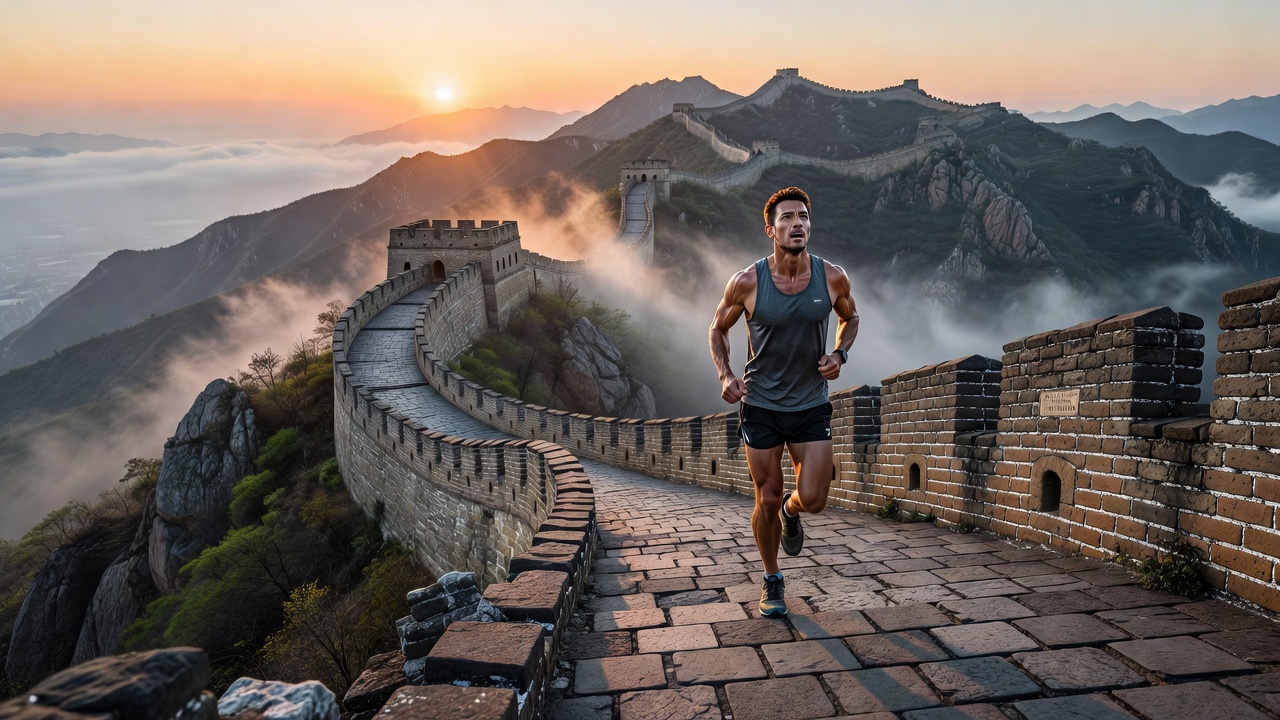
Running the Great Wall Marathon in 2026 was more than just another race—it was a bucket-list adventure that tested every limit I thought I had. As a seasoned marathoner with several flat-road finishes under my belt, I craved something that combined history, culture, and brutal terrain. The 2026 edition delivered exactly that, blending steep stone steps, high-altitude climbs, and unforgettable views of the ancient wall stretching into the mountains. This personal recap dives deep into my preparation, the mile-by-mile emotional rollercoaster, gear choices that made a difference, and the mental strategies that helped me cross the finish line. Whether you're searching for unique international race recaps or practical advice for your own adventure, this story offers concrete takeaways and real-world examples from training through recovery.
Pre-Race Training Adjustments for the Great Wall
Standard marathon training focuses on long, steady miles on pavement. For the Great Wall, I shifted emphasis to vertical gain and eccentric loading. I incorporated weekly hill repeats on stadium stairs and trail runs with elevation profiles matching the course's 3,000+ feet of climbing. Strength sessions twice a week targeted my quads, calves, and core to handle the thousands of uneven steps. A sample 12-week build included progressive stair workouts starting at 200 steps per session and building to 800, combined with long trail runs on weekends that mimicked the wall's undulating profile. Acclimatization was key. I arrived in Beijing five days early to adjust to the altitude and jet lag. Light shakeout runs along local parks helped me gauge how the thinner air would affect my breathing during the race. I also practiced heat management since June conditions can bring humidity alongside elevation challenges.
Nutrition, Hydration, and Recovery Planning
Nutrition played a bigger role than in flat races because of the sustained effort on climbs. I tested a mix of energy gels every 45 minutes and solid snacks like dried fruit at aid stations. Hydration involved carrying 500ml extra in a vest because stations were spaced farther apart on remote wall sections. Recovery between training sessions used foam rolling and yoga focused on hip flexors to counteract the forward lean required on stairs. These adjustments prevented the common pitfall of under-fueling that many runners face on technical courses.
Mile-by-Mile Highlights and the Power of Visual Milestones
The race starts near the Mutianyu section, immediately launching runners onto steep inclines. By mile 5, my legs were already burning, yet the sunrise over the wall made every step worthwhile. 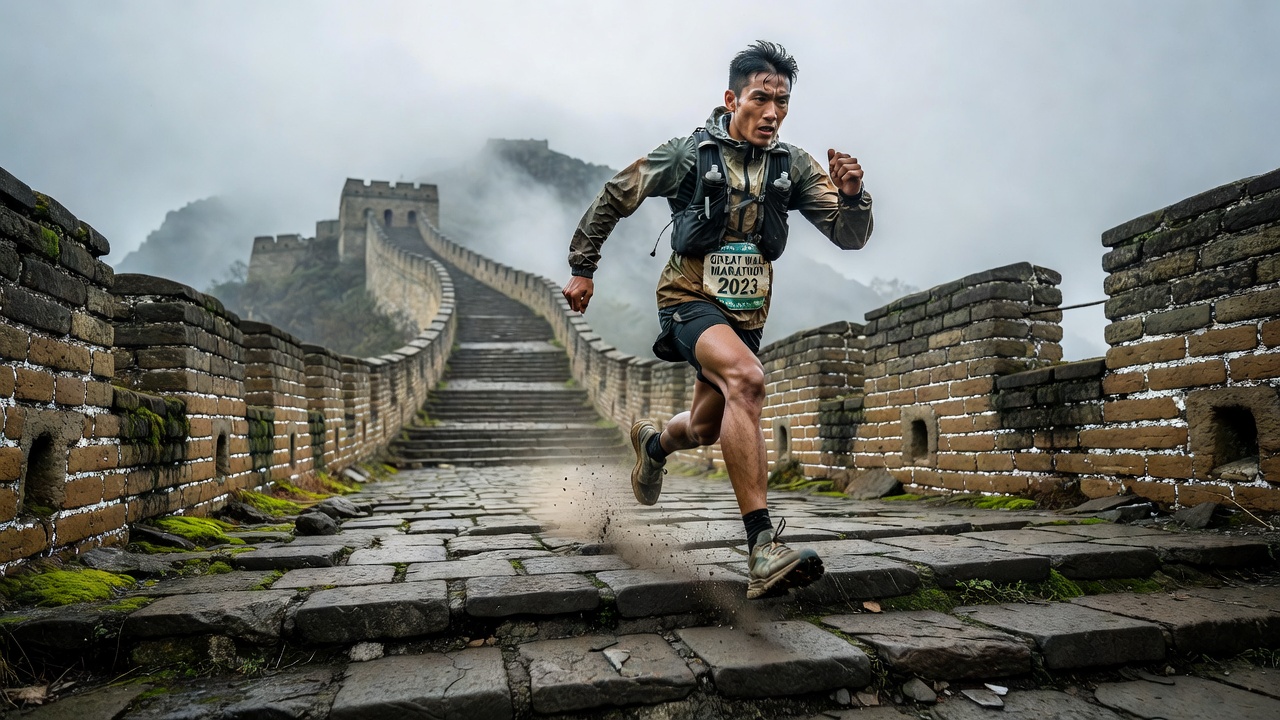
Overcoming Mental Hurdles on Race Day
The biggest challenge wasn't physical exhaustion but the psychological impact of seeing endless stairs ahead. I broke the race into small segments, celebrating each checkpoint. Music from a carefully curated playlist and mantras like “one step at a time” kept negative thoughts at bay. Cultural immersion—pausing briefly to appreciate the 2,000-year-old wall—provided unexpected motivation. At mile 22 I hit a wall of doubt when cramps threatened, but visualizing the finish banner and recalling training sacrifices pulled me through. Many runners make the mistake of comparing their pace to road marathons, leading to frustration; instead, I focused on finishing strong and enjoying the unique setting.
Practical Gear Recommendations and Pacing Strategies
Choosing the right shoes was critical. I opted for trail runners with aggressive lugs and extra cushioning. A lightweight hydration vest carried enough water and gels for the aid-station gaps. Compression socks helped with calf support on the descents. Pacing differed dramatically from flat marathons. I used a run-walk method on anything steeper than 10% grade and maintained a steady rhythm on the rare flatter sections. Comparing splits to my previous road marathons showed I ran 20-25 minutes slower overall, yet the experience felt far more rewarding. Avoid the common error of wearing new gear on race day—test everything during long training runs on similar terrain.
Post-Race Reflections and Lessons Learned
Crossing the finish line at the base of the wall brought tears of joy and relief. The soreness lasted longer than after any road race, reminding me that eccentric muscle damage from stairs requires extra recovery time. Key lessons: train specifically for terrain, respect altitude, and embrace the cultural elements that make this event unique. In the days after, I prioritized protein-rich meals and gentle walking to flush lactic acid. For runners considering this bucket-list event, start building stair volume early and consider joining a training group focused on trail and elevation work. The World Athletics site offers useful resources on international race standards, while Runner's World provides additional training insights for technical courses.
Short FAQ: Entering and Preparing for the Great Wall Marathon
- How do I enter? Registration opens months in advance through the official race website; spots fill quickly and require a qualifying time or trail experience in some waves.
- What training is essential? Include hill repeats, stair workouts, and altitude simulation if possible, plus at least two long runs over 18 miles with significant elevation.
- Is it suitable for first-time marathoners? Better suited for runners with prior marathon or trail experience due to the demanding course and remote sections.
- What about logistics? Fly into Beijing and arrange transfers to the Mutianyu area; many runners stay in nearby guesthouses with shuttle options on race weekend.
- How does the course compare to other marathons? Unlike flat events like Chicago or Berlin, expect constant elevation changes and no PR potential, but unmatched scenery and memories.
The Great Wall Marathon remains one of running’s most transformative experiences. If this story inspires you, start planning your own journey today and remember that preparation turns challenges into triumphs.
No comments yet. Be the first!