 The Runner Story

Conquering the Iconic Ascent: My 2026 Pikes Peak Marathon Journey
The 2026 Pikes Peak Marathon tested every limit with its 13.1-mile climb to 14,115 feet. As a trail runner accustomed to varied terrain, I prepared for the steep elevation gains and unpredictable weather that define this legendary Colorado race. This recap shares my targeted training, pacing strategies, essential gear, nutrition tactics, personal stories of altitude struggles, detailed splits, and post-race recovery advice. The event drew hundreds of determined athletes seeking to summit one of America's most iconic peaks, and my journey highlighted both the physical demands and mental rewards of high-altitude racing.
Targeted Training for Steep Elevation Gains
Preparing for Pikes Peak required specific hill work beyond standard marathon training. I incorporated weekly long runs on steep inclines, simulating the 7,800-foot elevation gain. Sessions included repeats on local mountains and treadmill incline workouts set to 10-15%. Strength training focused on quads, glutes, and core to handle the relentless ascent. I also added altitude simulation using a hypoxic tent twice weekly to build red blood cell count. These methods prepared me for the thin air that flattens even seasoned runners. For example, one key workout involved 8x800-meter hill repeats at 12% grade followed by recovery jogs, which built both power and endurance. I tracked progress with weekly elevation totals exceeding 10,000 feet of gain in peak training blocks. Cross-training with cycling and swimming helped maintain fitness while reducing impact on joints.
Pacing Techniques on Rugged Terrain
Pacing on the rocky, uneven trail demanded patience. I started conservatively, keeping heart rate below 70% of max for the first four miles. Using a run-walk strategy on the steepest sections helped conserve energy. GPS watch data guided splits, but I adjusted for fatigue and weather. The key was listening to my body rather than chasing early pace goals common in flat marathons. Breaking the course into manageable segments allowed me to maintain consistent effort even as the grade intensified past mile six. I practiced these techniques on similar trails during training to make them second nature on race day.
Must-Have Gear for Variable Weather
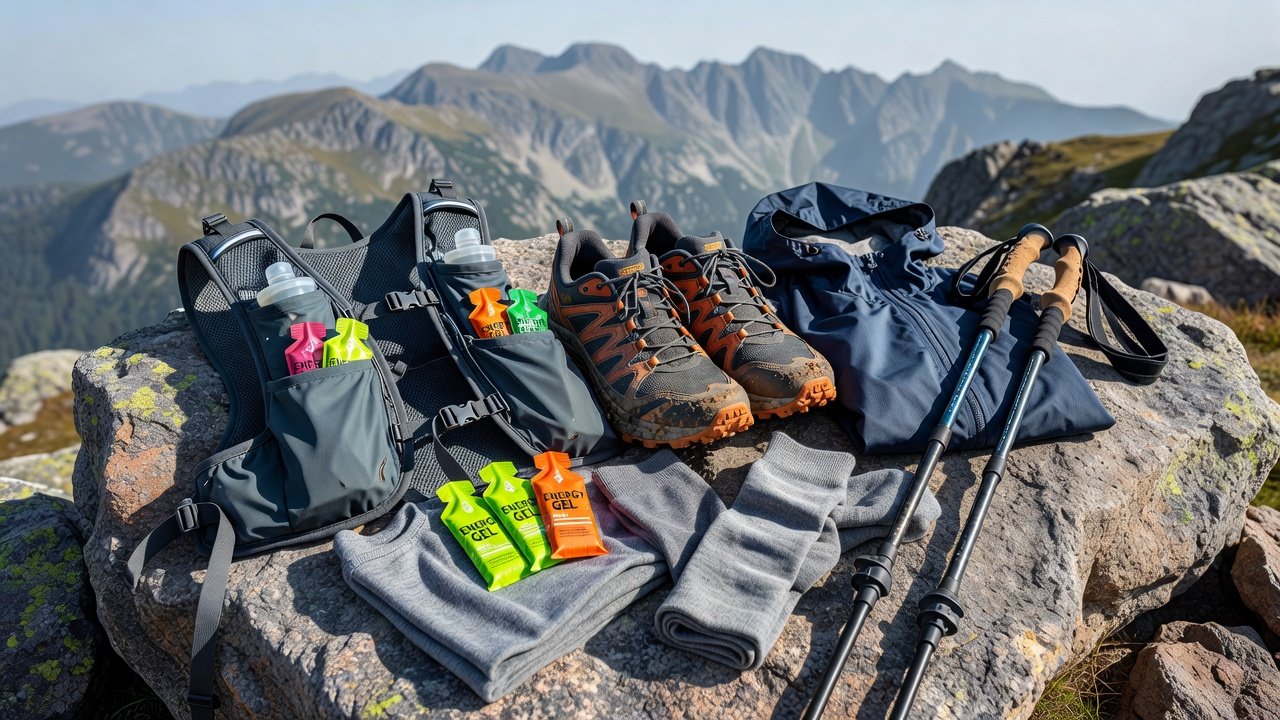
Weather on Pikes Peak shifts rapidly from sun to snow. My kit included a lightweight waterproof jacket, merino wool base layers, and trail shoes with aggressive lugs for traction. A hydration vest with 2-liter capacity and trekking poles provided stability on loose scree. Gloves and a buff protected against wind chill near the summit. These choices proved essential when temperatures dropped below freezing at the top. Additional items like gaiters prevented debris from entering shoes on the descent sections, while a compact headlamp offered security in case of delays. Testing all gear during training runs ensured no surprises on race morning.
On-Course Nutrition Strategies
Nutrition at altitude is tricky due to reduced appetite. I relied on easily digestible gels and chews every 45 minutes, plus electrolyte drinks. Solid food like bananas at aid stations supplemented intake. Pre-race carb loading and consistent hydration the day before prevented bonking. Carrying extra calories in my pack ensured I had options if aid stations ran low. I experimented with different brands during long training efforts to identify what sat well in my stomach under stress. Hydration remained critical, with frequent small sips rather than large gulps to avoid gastrointestinal distress common at elevation.
Personal Stories: Overcoming Altitude Challenges
Mile 8 brought the first real struggle as oxygen levels thinned. My breathing grew labored, and nausea hit briefly. I slowed to a hike, focusing on steady steps and positive self-talk. By mile 10, a fellow runner's encouragement helped push through. The final switchbacks to the summit felt like a personal victory after months of preparation. Crossing the finish line amid cheering crowds made every tough training day worthwhile. Earlier in the race, around mile four, I battled unexpected cramps that forced a brief pause for stretching and salt intake, teaching me the value of adaptability in the moment.
Mile-by-Mile Splits and Insights
Here are my approximate splits from the 2026 race with added context:
- Miles 1-3: 12:30 average pace – conservative start on runnable terrain while warming up muscles.
- Miles 4-6: 14:45 pace – steeper climbs required more hiking and pole usage for efficiency.
- Miles 7-9: 16:20 pace – altitude effects peaked here, prompting frequent walk breaks.
- Miles 10-12: 15:50 pace – found rhythm again with poles and steady breathing.
- Mile 13.1: 18:10 pace – final push to summit amid thinning crowds and stronger winds.
Total time: 3 hours 42 minutes, better than my goal due to smart pacing. Analyzing these splits afterward revealed that conserving energy early paid dividends in the final miles, unlike my experiences in sea-level events where early surges often led to later slowdowns.
Recovery Advice After the Summit
Post-race recovery started immediately with descent via shuttle to minimize leg pounding. I focused on hydration, protein-rich meals, and light walking the next day. Foam rolling and gentle yoga eased soreness. Sleep and gradual return to running over two weeks prevented injury. Comparing to flat marathons, the altitude delayed full recovery by several days, requiring extra emphasis on sleep and anti-inflammatory foods. I also incorporated contrast baths and professional massage in the first week to accelerate healing.
Comparisons to Flat Marathons
Unlike sea-level races such as those covered on Runners World, Pikes Peak demands far more from the cardiovascular system. Elevation gain replaces speedwork, and weather adds variables absent on paved courses. Mental resilience becomes as critical as physical fitness. The lack of oxygen makes every step feel heavier, turning what might be a straightforward endurance test into a battle against the elements and your own physiology. Training specificity is non-negotiable here, whereas flat courses often reward pure volume and speed.
FAQ: Mental Resilience Tactics
- How do you stay motivated on steep climbs? Break the race into small segments and celebrate each milestone reached, such as the next aid station or switchback.
- What if altitude sickness strikes? Slow down, hydrate, and descend if symptoms worsen—safety first, as pushing through can lead to serious issues.
- How to build toughness pre-race? Simulate race conditions in training and practice visualization techniques during every long run.
- Is it normal to doubt yourself mid-race? Yes, but focusing on breathing and form helps push through those low moments effectively.
- What role does community play? Sharing stories with other runners at the start and on course provides unexpected boosts of energy and perspective.
Lessons Learned and Future Plans
Reflecting on the day, the biggest takeaway was the power of consistent, specific preparation. I plan to return with refined nutrition timing and perhaps a slightly more aggressive early pace if conditions allow. This race reinforced why trail events like this captivate so many athletes seeking more than just a finish time.
Final Reflections on a Summit Triumph
The 2026 Pikes Peak Marathon delivered both struggle and triumph. The journey reinforced that preparation, adaptability, and mental grit turn daunting challenges into unforgettable achievements. Whether you're eyeing this race or another high-altitude event, these lessons apply broadly to trail running adventures. For more on trail safety, check resources from National Park Service. Additional guidance on endurance sports can be found through USA Track & Field.

No comments yet. Be the first!