 The Runner Story
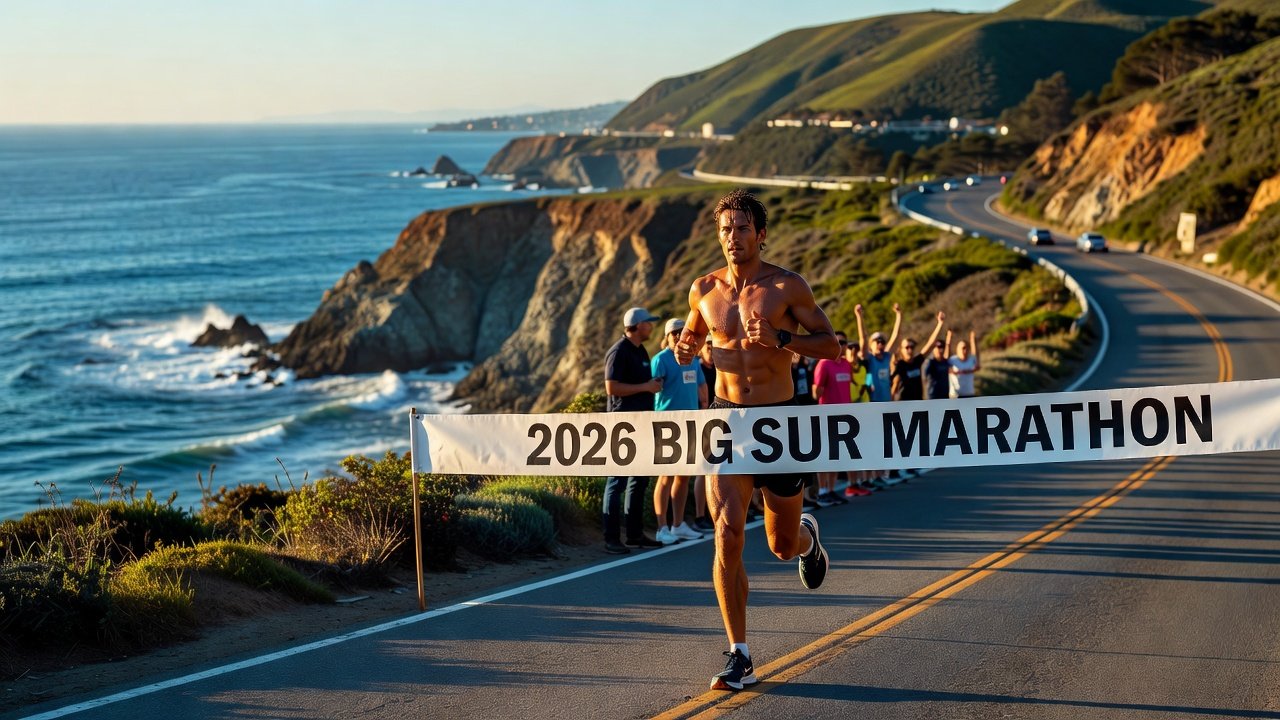
Introduction: Crossing the Finish Line at Big Sur
The 2026 Big Sur Marathon delivered everything I hoped for and more: sweeping Pacific views, relentless coastal hills, and a deeply personal journey of triumph. Running the full 26.2 miles along Highway 1 felt like a moving meditation through one of California’s most iconic landscapes. From the starting line in Carmel to the dramatic finish in Big Sur, every mile tested my body while rewarding my spirit with unforgettable scenery and quiet moments of reflection. This recap weaves together mile-by-mile observations, reflections on training, unexpected weather moments, and the strategies that helped me push through. Whether you are planning your first coastal marathon or seeking authentic race stories, these details aim to inspire and inform your own running journey.
Training Build-Up and Mental Preparation
Preparation began six months earlier with a focus on hill repeats and long runs on similar terrain to mimic the course profile. I incorporated weekly strength sessions targeting glutes, hamstrings, and core to handle the constant elevation changes that define Big Sur. Mental resilience training included visualization of the Bixby Creek Bridge and the famous “Heartbreak Hill” sections, plus breathing exercises during tough workouts. By race week I felt physically ready, though the forecast hinted at surprises. Specific examples from my training log included 800-meter hill repeats on Tuesdays and 18-mile long runs on weekends that incorporated 1,200 feet of climbing to build confidence for race day demands.
Race Morning and Early Miles
Starting in cool, misty conditions near Carmel, the first five miles felt almost gentle as rolling terrain warmed up my legs gradually. Spectators lined the course with encouraging signs, and the sound of crashing waves provided a rhythmic soundtrack that eased nerves. By mile 8 the sun broke through, revealing the rugged coastline in full glory. Miles 9 through 12 introduced more pronounced undulations, where I focused on short strides and relaxed shoulders to conserve energy for the challenges ahead. The early miles set a tone of gratitude for the opportunity to run in such a stunning setting.
The Iconic Bixby Creek Bridge Moment
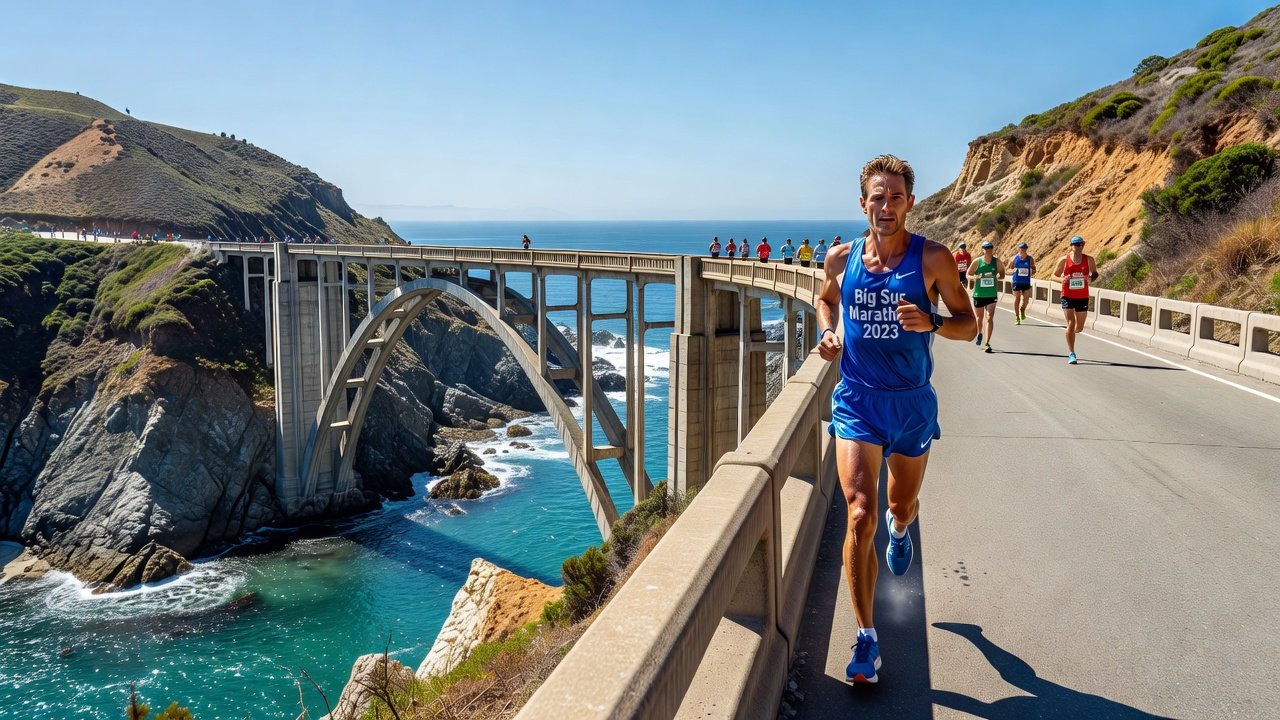
Approaching the Bixby Creek Bridge at mile 13 remains the emotional peak of the race. The iconic arch bridge framed against turquoise waters created an unforgettable photo opportunity and a surge of adrenaline. Runners paused briefly for selfies while volunteers cheered us onward. This section perfectly captures why Big Sur stands apart from urban marathons and why so many participants return year after year. The views from the bridge itself offered a brief but powerful reminder of the natural beauty that makes every training mile worthwhile.
Nutrition and Pacing on Rolling Hills
Nutrition strategy centered on consistent fueling every 45 minutes to maintain steady energy levels across the demanding terrain. I alternated between gels and chews while sipping electrolyte drink at each aid station, adjusting based on how my stomach felt during the hills. The rolling hills demanded a conservative early pace; I aimed for even effort rather than even splits, checking my heart rate monitor frequently. This approach paid off after mile 18 when fatigue set in but my legs still responded well. Practical examples include carrying two flasks of my favorite electrolyte mix and testing three different gel flavors during training to avoid any mid-race surprises.
- Pre-race breakfast: Oatmeal with banana and peanut butter eaten two hours before start
- Mid-race: Four gels and two banana halves plus water at every station
- Post-race: Immediate protein shake and recovery shake within 30 minutes of finishing
- Additional tip: Practice all nutrition on long training runs to build tolerance
Runner Camaraderie and Unexpected Weather
One of the most rewarding aspects was the sense of community among runners from around the world. Fellow participants shared stories of training mishaps and bucket-list goals during the quieter stretches. A sudden headwind around mile 20 tested everyone’s resolve, yet the collective encouragement kept spirits high. The weather shift reminded me that coastal races can change quickly, so staying flexible proved essential. Conversations with other runners helped distract from discomfort and reinforced the shared experience of tackling this legendary course together.
Comparison to Flatter Marathons
Having run several flat courses like Chicago and Berlin, Big Sur felt dramatically different in both physical and mental demands. The constant elevation changes slowed my overall time by roughly 20 minutes compared to sea-level efforts, but the scenery more than compensated for the slower pace. Where flat races emphasize speed and negative splits, Big Sur rewards endurance, patience, and appreciation of the surroundings. The mental boost from ocean views helped offset the physical demands, making the experience far more memorable than any PR chase on a flat course.
Mental Resilience Strategies During the Race
Mental resilience became my secret weapon on the later hills. I broke the race into smaller segments, focusing only on reaching the next aid station rather than the full distance remaining. Mantras like “strong and steady” and recalling training successes kept negative thoughts at bay. When the headwind hit, I drew on visualization exercises practiced months earlier to stay present and positive. These techniques turned potential breakdowns into breakthroughs and contributed directly to my sense of personal triumph at the finish.
Post-Finish Recovery Steps
Immediate recovery included light walking through the finish chute, compression socks applied right away, and a balanced meal within the first hour. Over the following days I focused on gentle yoga, foam rolling twice daily, and plenty of sleep to allow muscles to repair. Within a week I resumed easy runs, listening carefully to my body’s signals and incorporating extra rest days as needed. These steps helped minimize soreness and speed my return to consistent training without setbacks.
Practical Advice and Mistakes to Avoid for Future Participants
Plan gear for variable weather—layers that you can tie around your waist work best, along with a lightweight windbreaker for exposed sections. Arrive early for parking and consider the shuttle options to reduce stress. Spectators should stake out spots near Bixby Bridge or the finish line for maximum impact. Recommended gear includes well-cushioned shoes with good grip for the descents and ascents. Common mistakes to avoid include starting too fast on the early rollers, skipping hydration, and neglecting post-race mobility work, all of which can derail recovery.
FAQ
What is the best way for spectators to view the race?
Key viewpoints include the Bixby Creek Bridge area and the finish line in Big Sur State Park. Arrive early and check the official course map for shuttle information and parking restrictions.
Which shoes performed best on the course?
Many runners, including myself, favored maximal cushion shoes with reliable traction to handle both pavement and occasional gravel sections while providing stability on rolling terrain.
How does the elevation profile compare to other marathons?
Big Sur features approximately 1,800 feet of total elevation gain, far more than flat courses, making pacing and hill-specific training essential for success and enjoyment.
Conclusion
The 2026 Big Sur Marathon reinforced why I run: for the scenery, the challenge, and the quiet moments of personal victory. The coastal hills tested every aspect of my preparation, yet crossing the finish line brought an unmatched sense of accomplishment. If you are considering this iconic race, start building those hill repeats now—the views and the triumph will be worth every step. For more details on the event, visit the official Big Sur Marathon site and explore training resources at Runner’s World and Road Runners Club of America.
No comments yet. Be the first!