 The Runner Story
Introduction: Embracing the Solo Marathon Challenge
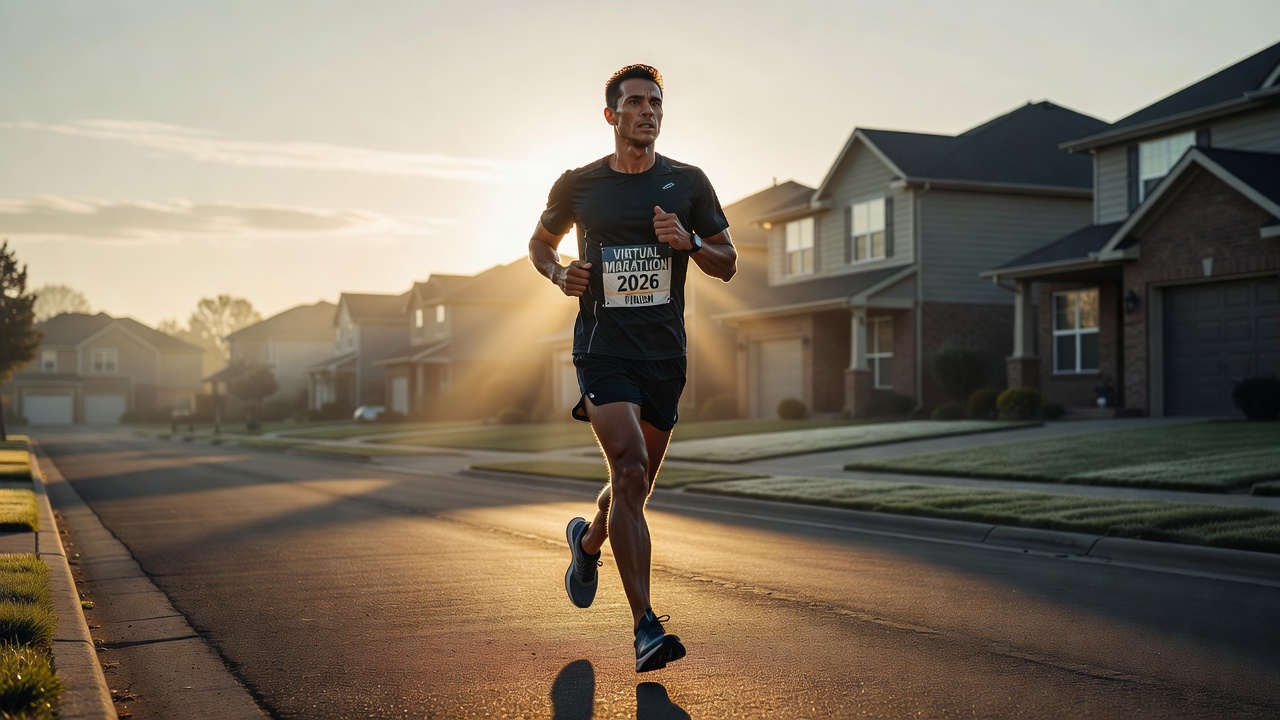
In 2026, I decided to tackle a full marathon from the comfort of my own neighborhood. This virtual marathon recap highlights the unique aspects of self-paced racing, from mapping quiet streets to overcoming mental hurdles. Virtual events offer flexibility that traditional races cannot match, allowing runners to focus purely on personal goals without crowds or travel. The decision came after reviewing multiple race options and realizing that a home-based event aligned best with my schedule and desire for controlled conditions.
Whether you're searching for race recaps or considering your first virtual marathon, this story provides practical insights into route planning, technology, nutrition, and pacing. The experience taught me valuable lessons about resilience and customization that I now apply to future training cycles. Runners worldwide are increasingly turning to these formats for convenience and personalization, making detailed recaps essential for those evaluating their options.
Why Choose a Virtual Marathon in 2026
Virtual marathons gained popularity for their accessibility. Runners can participate from anywhere, making them ideal for those with busy schedules or living far from major race cities. In my case, the format allowed me to run on familiar terrain while still earning an official finisher medal and time. This choice eliminated the need for expensive travel or time off work, which often accompanies large in-person events.
Compared to in-person events, virtual races eliminate logistical stress like early start times or hotel bookings. However, they demand greater self-discipline since there's no starting gun or cheering spectators to propel you forward. Many athletes appreciate the ability to select their own start time and adjust based on weather forecasts, something impossible at fixed-date traditional races.
Route Planning Around Neighborhoods
Effective route planning is essential for a successful virtual marathon. I mapped a 26.2-mile loop using a combination of residential streets and a nearby park path to minimize traffic and elevation changes. A sample home course might include repeating a 3-mile neighborhood circuit eight times with slight variations to avoid monotony. I used free mapping tools to measure exact distances and identify safe turnaround points every few miles.
Key considerations included avoiding busy roads during peak hours, ensuring water refill points at home, and selecting shaded areas for warmer segments. This setup kept the run safe and scenic while simulating the distance of a traditional marathon. I also scouted the route on foot the week prior, noting any construction zones or uneven sidewalks that could pose risks during the longer effort.
Battling Isolation and Motivation Dips
Running alone for over four hours presents unique psychological challenges. Early miles felt liberating, but around mile 18, motivation dipped significantly. I combated this by breaking the race into smaller segments, rewarding myself with short walk breaks every 5 miles, and listening to curated playlists. Isolation can amplify negative thoughts, so I scheduled check-ins with running friends via text. These virtual support systems proved surprisingly effective at maintaining momentum through the toughest stretches.
Additional strategies included visualizing past successful training runs and setting micro-goals such as reaching the next landmark within a target time. A short list of proven tactics helped me stay focused:
- Pre-load podcasts or audiobooks focused on endurance stories
- Use positive affirmations spoken aloud during low-energy periods
- Alternate between running and brisk walking intervals to reset mentally
- Review progress photos taken at the halfway point for encouragement
These methods turned potential setbacks into manageable moments and contributed directly to crossing the finish line with renewed energy.
Tech Tools for Accurate Tracking
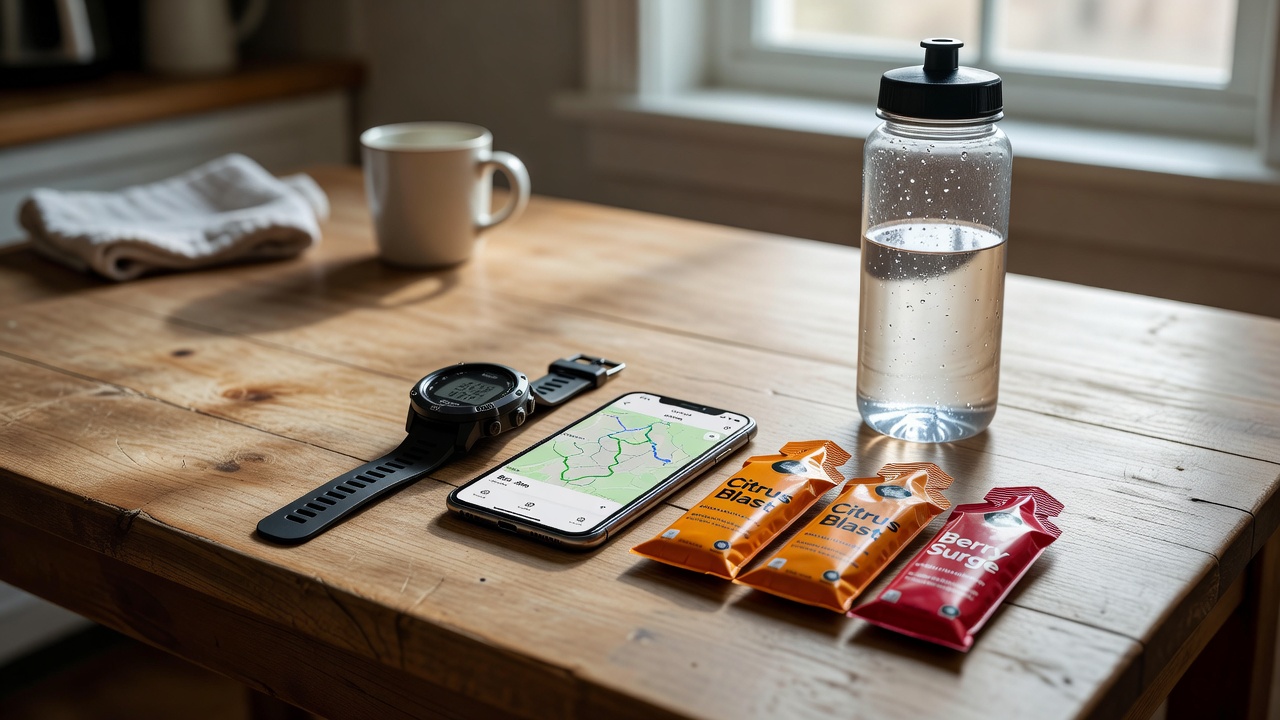
Reliable tracking technology ensures your virtual marathon time is verifiable. I used a GPS watch paired with a smartphone app to record distance, pace, and heart rate in real time. Popular choices include devices that sync seamlessly with platforms accepting virtual race submissions. Additional tools like route-mapping software helped pre-plan every turn, while a simple heart-rate monitor prevented overexertion. These technologies made the experience feel professional despite the solo setting.
I also incorporated a secondary phone mount on my hydration pack as backup in case of primary device failure. Syncing data to cloud services allowed instant sharing of splits with supporters, adding a layer of accountability that mimicked the community aspect of larger races.
Nutrition and Pacing Adjustments
Nutrition strategies require careful adjustment for home-based racing. I prepared homemade energy gels and placed them at strategic points along my route. Frequent small sips of water and electrolyte drinks kept hydration steady without the aid stations found at traditional events. A sample pacing plan involved even splits for the first 20 miles followed by a controlled push in the final 10K, which helped conserve glycogen stores effectively.
Pacing differed from crowded races because I could maintain a consistent effort without weaving through other runners. My strategy involved starting conservatively and gradually increasing speed after the halfway point, resulting in a strong negative split finish. Practicing these nutrition timings during long training runs ensured no surprises on race day.
Comparisons to Crowded In-Person Marathons
Virtual marathons lack the electric atmosphere of thousands of runners crossing a start line together. Yet they provide unmatched personalization. In traditional races, you benefit from course support and camaraderie, but you also face variables like weather delays or crowded porta-potties. My virtual experience allowed complete control over pace and breaks, leading to a more enjoyable process even if the sense of shared achievement was absent.
For many runners seeking PRs, this controlled environment can be advantageous. The absence of external pressure meant I could focus solely on execution rather than reacting to the pace of surrounding competitors.
Training Tweaks and Practical Examples
Leading up to race day, I modified long runs to include back-to-back sessions on similar neighborhood loops. This built familiarity with the terrain and mental toughness for repetition. Sample training tweaks included adding hill repeats on a local overpass and practicing gel consumption during mid-week runs. These adjustments translated directly to race day success, proving that virtual preparation can mirror or even exceed in-person training benefits when executed thoughtfully.
Mistakes to Avoid in Virtual Marathons
Common pitfalls include underestimating the mental demands of solo running and failing to test all gear beforehand. Another frequent error is choosing an overly complex route that leads to navigation issues mid-race. Runners should also avoid neglecting recovery protocols immediately after finishing, such as proper cool-down stretches and refueling within the first 30 minutes.
FAQ: Virtual Race Certification
- How do virtual races verify results? Most organizers accept GPS data from approved apps or watches, sometimes requiring photo proof of your bib and finish.
- Are virtual marathon times official? Certification depends on the event; many are recognized by governing bodies if you follow their submission rules.
- Can I use a treadmill? Some races allow treadmill submissions with video evidence, but outdoor GPS tracking remains the most common method.
- What happens if my GPS signal drops? Contact the race director promptly with backup data or manual logs to request a review.
Conclusion: Takeaways for Future Solo Runners
This 2026 virtual marathon reinforced that personal triumph comes from preparation and adaptability rather than external validation. Future solo runners can achieve PRs or simply enjoy the process by focusing on detailed planning, reliable tech, and mental strategies. Whether your goal is a fast time or a fun finish, virtual events offer a powerful platform for growth.
For more running inspiration, check resources from Runner's World, World Athletics, and USATF.

No comments yet. Be the first!