 The Runner Story
From Couch to Marathon: A Grandmother's 2026 Fitness Journey
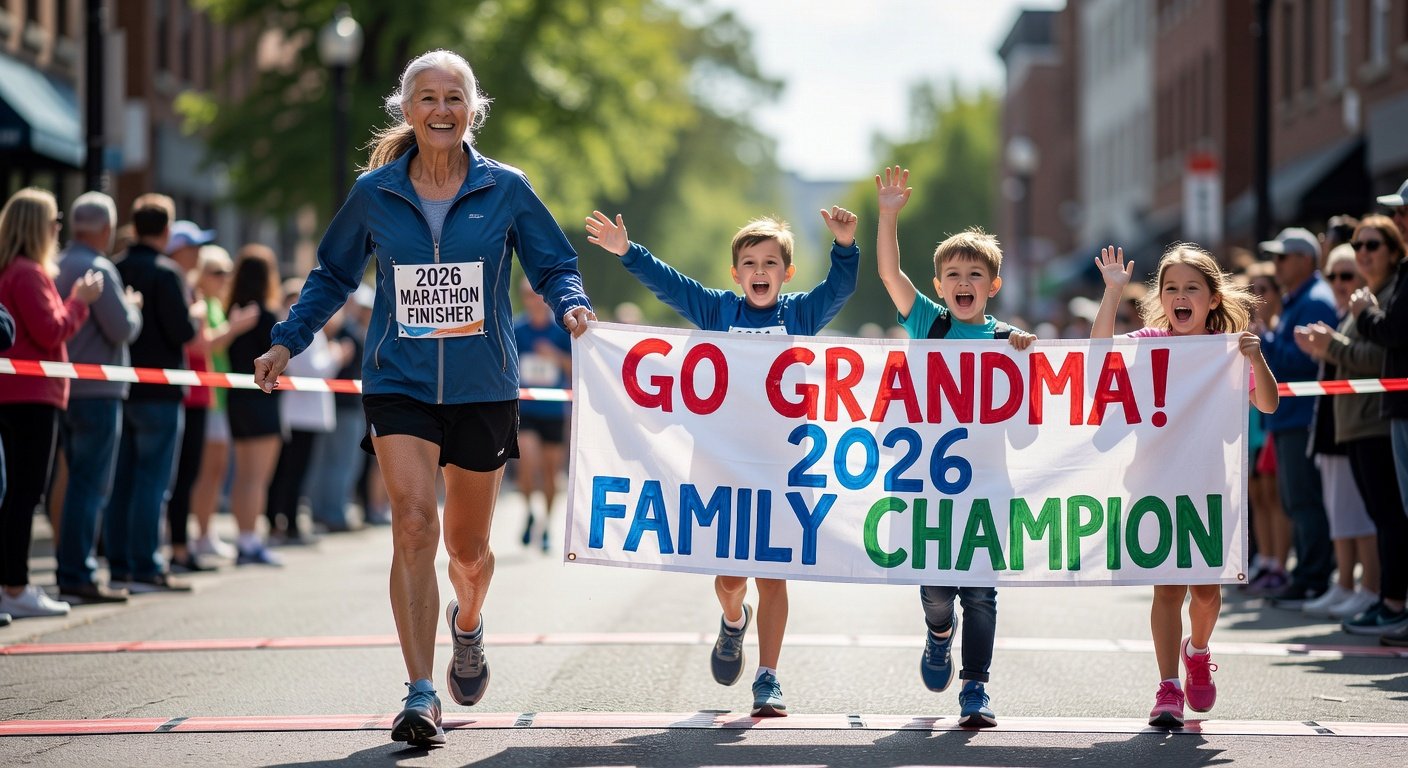
Personal running stories like this one remind us that it's never too late to start. At 68, Margaret Thompson transformed her sedentary lifestyle into a triumphant marathon finish in 2026, fueled by running motivation from her grandchildren. Her runner story highlights how family-driven goals can overcome age-related barriers and spark a lifelong love for movement. Before her journey began, Margaret spent most days in a comfortable routine of reading and light household tasks, rarely venturing beyond short walks to the mailbox. A routine doctor's visit revealed rising blood pressure and low energy levels, prompting her to seek change. When her three grandchildren, ages 8 to 12, visited for a family reunion and invited her on their playful park runs, something clicked. Those initial slow walks turned into consistent efforts that built her confidence week by week.
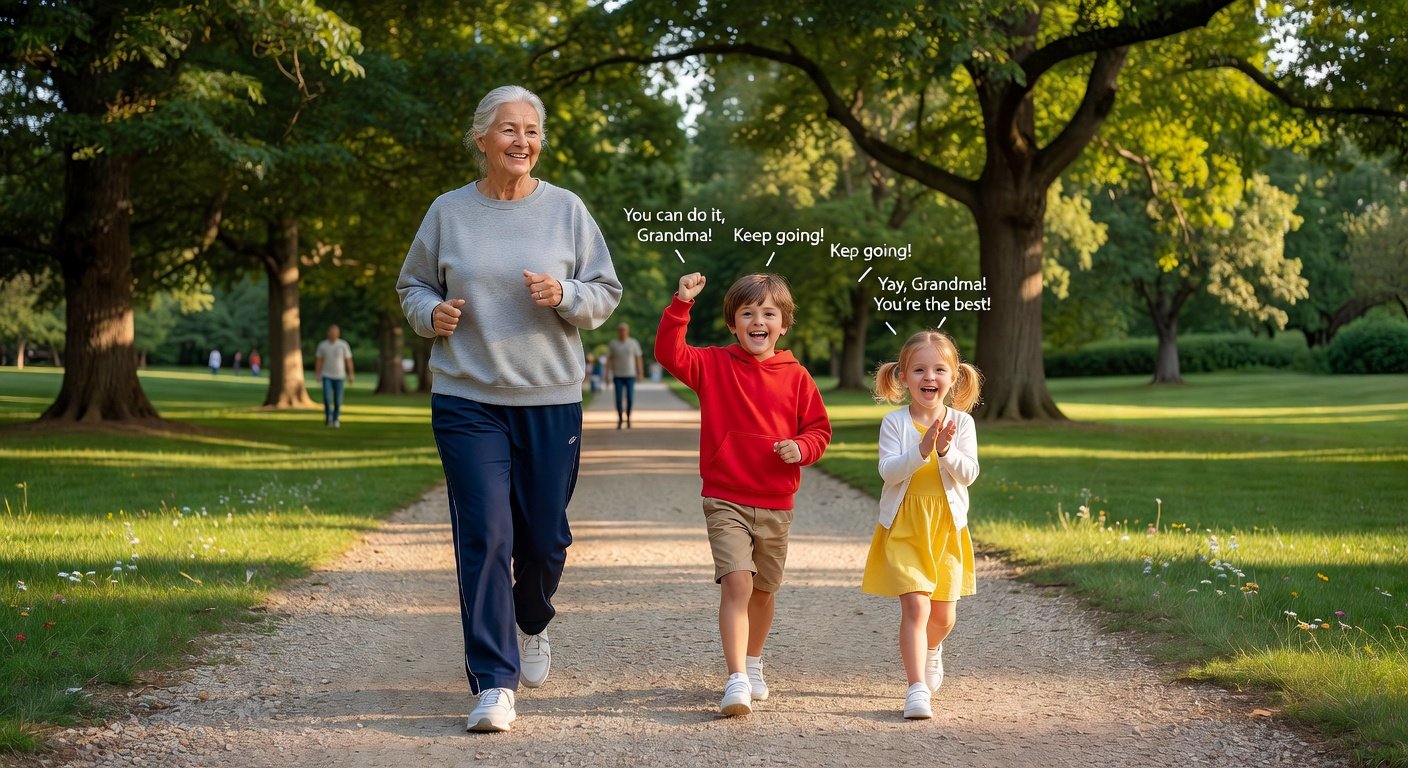
Margaret's journey began after a family reunion where her grandchildren challenged her to join their park runs. What started as short walks evolved into consistent training, proving that personal running stories often begin with small, meaningful steps. She documented every early success in a simple notebook, noting how even completing one mile felt like a victory. This approach kept her accountable during the first three months when progress felt slow.
Overcoming Mental Hurdles in Late-Life Running
Mental barriers can feel steeper than physical ones for seniors. Margaret faced self-doubt about her age and stamina, common in runner stories of older athletes. She worried about looking out of place at local races and feared injury that could limit time with family. She overcame these by journaling daily wins and visualizing crossing the finish line with her family cheering. Negative thoughts often surfaced during early long runs, but she countered them by listening to audiobooks about other late-life athletes and repeating affirmations tied to her grandchildren's encouragement.
Running motivation came from weekly calls with her grandchildren, who tracked her progress. This emotional support turned doubt into determination, a key theme in many fitness journey narratives. On particularly tough days when rain canceled planned routes, Margaret would call her oldest granddaughter for a pep talk, which always reignited her drive. Over time, these mental shifts became as important as the physical miles logged.
Training Adjustments for Seniors: Practical Schedules and Examples
Training for a marathon after 60 requires smart modifications. Margaret worked with a coach to build a base slowly, focusing on consistency over speed. She incorporated more recovery time and listened closely to joint signals, adjusting plans on days when stiffness appeared. Here's a sample weekly schedule she followed during peak training, complete with explanations for each element:
- Monday: Rest or gentle yoga (30 minutes) – Allowed full recovery while maintaining mobility.
- Tuesday: Easy run (3-4 miles at conversational pace) – Built aerobic base without stress.
- Wednesday: Strength training for core and legs – Two 45-minute sessions focused on squats and planks to support joints.
- Thursday: Interval walk-run (4 miles with recovery walks) – Improved endurance gradually.
- Friday: Rest or cross-training like swimming – Reduced impact while staying active.
- Saturday: Long run building to 18-20 miles – The cornerstone session, always followed by family brunch.
- Sunday: Recovery walk with family – Turned training into quality time and reinforced motivation.
She emphasized listening to her body and incorporating extra rest days compared to younger runners. During one particularly rainy month, she shifted two long runs indoors on a treadmill at the local gym, proving flexibility was key to staying on track.
Injury Prevention: Comparisons to Younger Runners
Seniors face higher risks of joint strain, but Margaret's approach minimized issues. Unlike younger runners who often push through discomfort, she prioritized recovery tools like foam rolling and physical therapy. Mayo Clinic notes that gradual progression reduces injury rates significantly for older adults. Margaret compared her routine to her son's, who ran faster but dealt with frequent shin splints from rapid mileage jumps. She avoided common pitfalls by never adding more than 10% distance weekly, a strategy backed by CDC physical activity guidelines.
Additional prevention steps included warm-up walks before every run, proper hydration with electrolyte drinks on long days, and quarterly check-ins with a sports medicine specialist. When minor knee discomfort appeared at mile 12 of a training run, she immediately switched to a two-week cycle of shorter efforts and pool running. This proactive mindset kept her healthy through the entire buildup to race day. American Heart Association resources also guided her focus on heart-rate monitoring to stay in safe zones during efforts.
Milestone Celebrations with Grandchildren
Family moments fueled Margaret's running motivation. After completing her first 10K, her grandchildren surprised her with a custom medal ceremony in the backyard complete with handmade signs and her favorite cookies. These celebrations kept her engaged during tough training weeks. When she hit the 15-mile long run mark, the family organized a picnic at the park where each grandchild presented a drawing of her in running gear.
Her 2026 marathon finish became a multigenerational event, with photos and stories shared widely. The grandchildren created a video montage of her training clips that played at the post-race gathering. Such milestones turn a fitness journey into cherished family memories and provide ongoing encouragement for future goals like shorter races or charity events.
FAQ: Starting Running After 60
Is it safe to begin running after 60? Yes, with medical clearance from your doctor. Margaret received full clearance after a stress test and started with walking intervals before any jogging. Many seniors find that starting slowly with a mix of walking and running reduces risk while building fitness steadily.
How much should I run weekly at first? Aim for 10-15 miles total, spread across 3-4 days, focusing on time on feet rather than distance. Margaret began with just 8 miles per week and increased only when her body felt ready, often staying at the same volume for two weeks at a time.
What gear do I need? Supportive shoes fitted at a specialty store and comfortable layers for weather. Margaret invested in cushioned shoes with good arch support and a simple GPS watch to track effort without distraction.
How do I stay motivated? Tie runs to family goals or join local senior running groups for accountability. Margaret found that sharing weekly updates with her grandchildren created natural accountability and turned solitary training into a shared family adventure.
Lessons from Margaret's Runner Story
Margaret's experience shows that fitness journeys thrive on purpose. Her advice: celebrate every milestone, adjust training to your body, and let family be your running motivation. Nutrition also played a role, with a focus on protein-rich meals and anti-inflammatory foods like berries and leafy greens to support recovery. She joined a local walking club that later evolved into a beginner running group, providing community support beyond family.
Long-term benefits extended beyond the marathon itself. Margaret reported better sleep, improved mood, and stronger family bonds through shared activities. Whether you're 60 or 80, personal running stories prove age is just a number when determination leads the way. Her story continues to inspire others in her community to take those first steps toward their own goals.
Ready to lace up? Margaret's 2026 success proves it's possible with the right mindset and support. Start today by walking around the block and building from there, just as she did.


No comments yet. Be the first!