 The Runner Story

Early in 2026 I found myself stuck in a running rut on the same urban routes I had followed for years. The predictable pavement and constant traffic no longer sparked any joy or progress. One crisp Saturday morning I decided to venture into the nearby state park trails instead. That single decision changed everything. Within months trail running became my deepest source of motivation, blending physical challenge with the restorative power of nature. This is the full story of my transition, complete with the gear choices, training steps, mental tools, and practical advice that helped me succeed and that any beginner can use today.
The Urban-to-Wilderness Transition
City running had always felt efficient but mechanical. I knew every crack in the sidewalk and every traffic light timing. When I first stepped onto a dirt path lined with pine trees and wild ferns, the sensory shift was immediate. The ground gave slightly underfoot, forcing my ankles and hips to stabilize in new ways. Birdsong replaced engine noise, and the scent of damp earth filled each breath. My first trail outing lasted only four miles yet left me more energized than any previous ten-mile road run. Over the next weeks I gradually replaced two of my four weekly runs with trails. The variety reduced boredom and introduced natural intervals created by hills and roots. By late spring I was consistently choosing wilderness paths over sidewalks because they delivered both fitness gains and emotional renewal that urban routes simply could not match.
Essential Gear for Trail Running
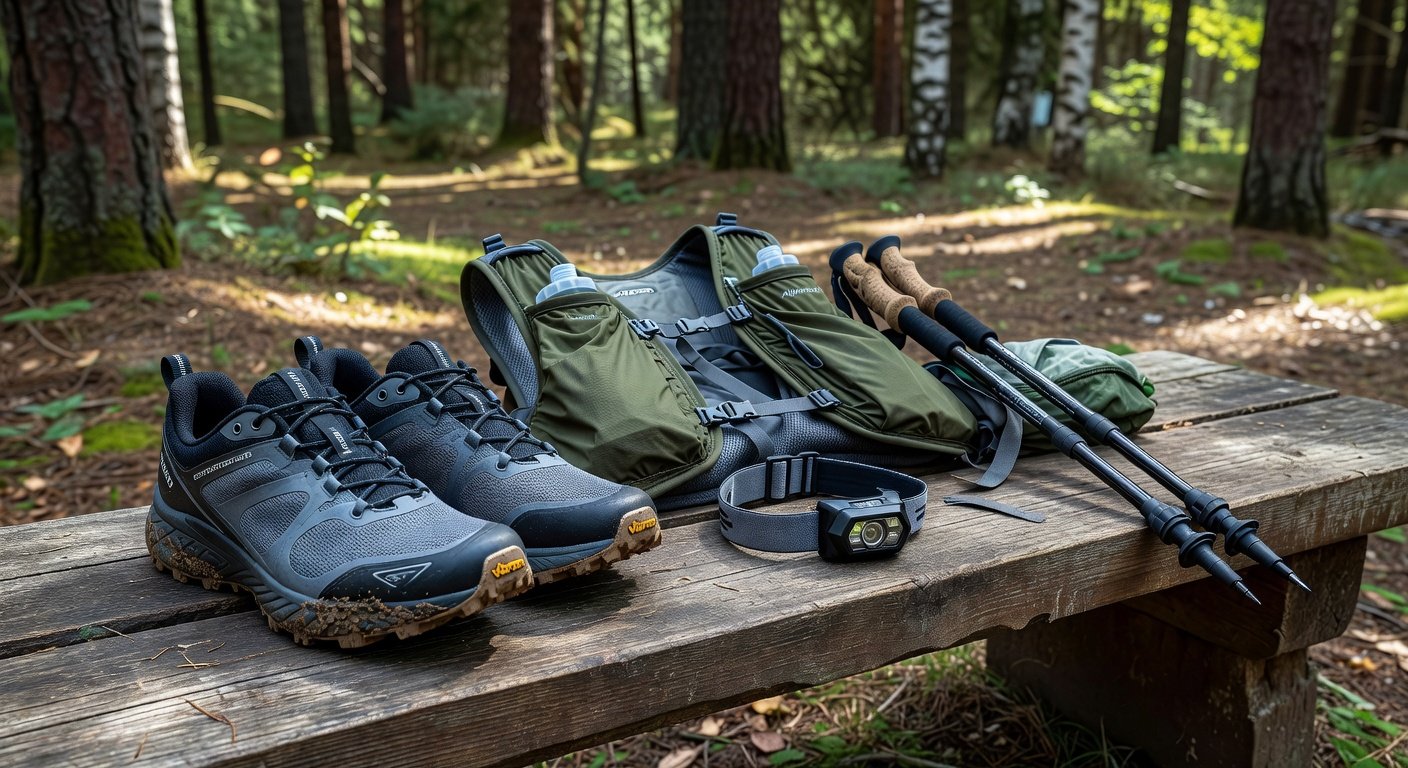
Proper equipment removed most early frustrations and kept me safe on technical terrain. I started with a dedicated pair of trail shoes featuring aggressive lugs and rock plates that protected my feet from sharp stones. A comfortable hydration vest with two soft flasks allowed me to carry water and a light snack without restricting arm swing. Trekking poles became useful on steep ascents, reducing load on my quads and improving balance on descents. For early morning or evening runs I added a reliable headlamp with adjustable brightness. A lightweight wind shell and merino wool socks rounded out my kit. These items did not need to be the most expensive options; I focused on fit and durability. With this setup I could stay out longer without worrying about blisters, dehydration, or unexpected weather changes. Many new trail runners underestimate how much the right shoes and pack improve confidence on uneven ground.
Gradual Training Progression
Rushing mileage increases is the fastest way to injury, so I followed a conservative twelve-week plan. The first four weeks emphasized short three-to-five-mile loops on easy singletrack with frequent walk breaks. I treated these runs as skill sessions, practicing foot placement and quick cadence adjustments. Weeks five through eight introduced longer efforts of six to eight miles that included moderate climbs. I added one hill-repeat workout each week on a gentle grade to build strength and mental toughness. By weeks nine through twelve I was completing ten-to-twelve-mile runs with over one thousand feet of elevation gain. Strength training twice weekly focused on single-leg deadlifts, step-ups, and core stability work. Recovery runs stayed easy, and I scheduled one full rest day after every long trail effort. This measured approach allowed my body to adapt while keeping motivation high because each week showed clear improvement in comfort and speed on technical sections.
Mental Resilience Techniques
Trails demand presence that roads rarely require. When fatigue set in on a long climb I broke the effort into small segments between visible landmarks such as a large boulder or switchback. Mindful breathing helped steady my heart rate; I inhaled for three steps and exhaled for three steps during tough sections. Visualization proved powerful too. Before difficult runs I pictured myself moving smoothly over roots and rocks. One memorable sunrise run along a ridge line left such a strong impression that I now recall that exact feeling whenever doubt appears. Journaling after each trail session captured both physical notes and emotional highlights, creating a personal record of growth that reinforced my commitment. These simple practices turned potential low points into opportunities for deeper connection with the experience.
Road Running vs Trail Running: Key Differences
- Terrain and Stability: Roads are flat and consistent while trails vary constantly, training stabilizing muscles that road running ignores.
- Pace Expectations: Most runners move one to two minutes slower per mile on trails due to elevation, roots, and the need for careful foot placement.
- Impact Forces: Softer trail surfaces often reduce repetitive stress on knees and hips compared with concrete, though ankle rolls remain a risk.
- Mental Engagement: Trails require continuous decision making yet reward runners with greater mental restoration and reduced anxiety after the run.
- Weather and Navigation: Trails expose runners to mud, snow, or heat with fewer bailout options, making preparation and route knowledge essential.
Actionable Steps for Beginners
- Begin with one short trail run each week on well-marked, low-elevation paths under five miles.
- Wear trail shoes from the first outing rather than road shoes that lack grip.
- Carry at least one water bottle, a phone with offline maps, and a basic first-aid item.
- Start at an easy effort and include walk breaks to maintain good form throughout.
- Join a beginner-friendly trail group through a local running store for safety and shared knowledge.
- Track distance and elevation rather than pace during the first month to build confidence.
- Practice on dry trails before attempting muddy or technical sections after rain.
Injury Prevention Strategies
Trail running introduces new stresses on ankles and lower legs. I incorporated dynamic warm-ups such as leg swings and high knees before every run. Strength sessions emphasized eccentric control through slow step-downs and lateral lunges. When I felt minor twinges I reduced mileage by twenty percent and added extra rest rather than pushing through. Consulting a sports-minded physical therapist early helped correct minor imbalances before they became problems. Resources from Mayo Clinic and CDC physical activity guidelines reinforced the importance of gradual progression and listening to early warning signs. Proper sleep, nutrition, and foam rolling after long runs completed my prevention routine.
Finding and Choosing Local Trails
Locating suitable trails became easier once I used reliable sources. Websites such as National Park Service and Runner's World trail guides list maintained paths with difficulty ratings and parking details. I also visited nearby running specialty stores where staff shared current trail conditions and group-run schedules. Starting with popular, well-signed loops reduced navigation stress while I learned the local network. Over time I branched out to lesser-used paths, always sharing my route with a friend and carrying a fully charged phone.
Conclusion
By mid-2026 trail running had become far more than exercise. It supplied steady motivation rooted in nature, community, and personal growth that road running never achieved. The lessons learned about patience, preparation, and presence continue to influence every aspect of my training. Whether you are seeking new fitness challenges or simply a fresh mental reset, the trails offer an accessible and deeply rewarding path forward.
FAQ
How do I prevent common trail injuries?
Build volume slowly, strengthen hips and ankles, replace shoes every 300-400 miles, and stop at the first sign of persistent pain. Professional guidance from a physical therapist speeds recovery when issues arise.
Where should beginners look for safe local trails?
Check National Park Service sites, AllTrails app filters for easy routes, and local running stores. Always verify current conditions and trail closures before heading out.
Is trail running suitable for complete beginners?
Yes, provided you start with short, easy trails, wear appropriate shoes, and progress gradually. Many runners transition successfully from roads by following a conservative training plan and joining group runs for support.


No comments yet. Be the first!