 The Runner Story

Introduction: Finding Motivation Through Four Paws
Many runners struggle with consistency, but pairing daily miles with a canine companion can transform the experience. This runner's story shows how a dog became the ultimate accountability partner, turning reluctant jogs into a shared passion. From hesitant first steps to celebrating a joint 5K finish, the journey highlights practical ways to blend fitness goals with pet bonding. Running with a dog adds purpose and joy, making it easier to lace up even on tough days. Studies from health authorities confirm that regular exercise benefits both humans and pets, creating a win-win routine. For anyone seeking relatable runner stories or fresh ways to stay consistent, this case study offers concrete examples and actionable advice drawn from real experience.
The runner, who had previously tried and abandoned several solo training plans, discovered that the dog's enthusiasm provided the missing spark. Morning runs became non-negotiable because the pet waited expectantly by the door, leash in mouth. This simple dynamic shifted mindset from obligation to anticipation, leading to longer streaks of activity than ever before.
Initial Challenges of Starting Together
Beginning any new fitness habit brings hurdles, but adding a dog introduces unique ones. The runner faced mismatched paces, leash tangles, and the dog's initial distraction by every squirrel. Early runs lasted only 10 minutes before both needed breaks, testing patience on both ends. The first week involved constant stopping and starting, with the dog pulling ahead or lagging behind unpredictably. Leash management proved especially tricky on narrow paths where passing cyclists or other pedestrians added chaos. Weather added complications, with slippery trails or hot pavement forcing quick adjustments that sometimes ended sessions early.
Overcoming these issues required observation and adaptation. The runner noted specific triggers like certain smells or sounds that caused pulling, then practiced redirection techniques during low-pressure walks. Within two weeks, the pair established a rhythm, though progress felt slow compared to solo efforts. These early struggles ultimately built resilience and a deeper understanding of the dog's limits and preferences.
Training Adjustments for Human and Pet
Successful duo running demands tailored plans. The runner started with short, frequent walks to build base fitness before introducing intervals. For the dog, breed-specific needs guided distance—shorter legs meant focusing on quality over quantity. Both progressed gradually. The human incorporated strength work to support joint health, while the dog received veterinary checkups to confirm readiness. Positive reinforcement like treats and praise kept motivation high during sessions.
Practical steps include choosing a well-fitted harness to prevent neck strain, starting with 1-2 miles and adding distance slowly, monitoring hydration for both during every outing, and scheduling rest days to avoid overuse injuries. The runner also tracked heart rate zones for the human side while watching the dog's breathing and gait for signs of fatigue. After the first month, they introduced hill work on gentle slopes to build endurance without overwhelming either participant. This methodical approach prevented setbacks and fostered steady improvement.
Nutrition and Recovery for Duo Runners
Beyond mileage, nutrition plays a key role in sustaining energy for both runner and dog. The human focused on balanced meals with adequate protein and carbohydrates timed around workouts, while the dog received species-appropriate portions adjusted for increased activity levels. Recovery routines included post-run stretching for the runner and gentle massage for the dog's muscles. Both benefited from consistent sleep schedules that aligned with early training days. These details helped maintain performance and reduced soreness after longer efforts.
Key Milestones: From Couch to First 5K
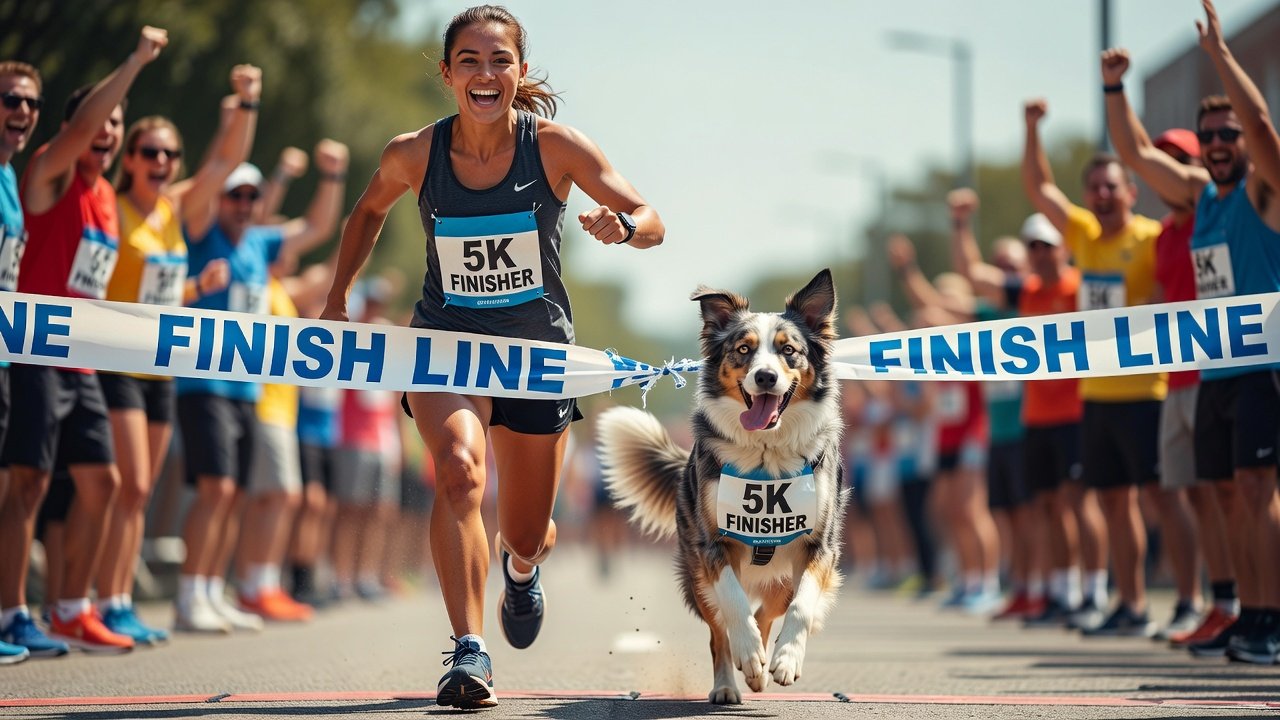
The breakthrough came after six weeks when they completed their first uninterrupted 3-mile loop. Celebrating small wins fueled further progress. By month four, they crossed the finish line of a local 5K together, with the dog proudly wearing a race bib. This milestone proved the power of consistency. The shared achievement strengthened their bond and inspired the runner to set longer goals, including a future half-marathon attempt with continued pet participation on training days.
Additional milestones included the first trail run without incidents and completing a 10-mile training week. Each success reinforced the decision to run as a team rather than alone.
Safety Tips and Building a Stronger Bond
Safety always comes first. Runners should avoid extreme temperatures, use reflective gear at dawn or dusk, and carry waste bags. Regular nail trims and paw checks prevent issues on rough terrain. The runner learned to carry a small first-aid kit with basic supplies for both human and canine needs. Bonding deepens through these shared experiences. The routine creates routine eye contact and trust, turning runs into quality time rather than chores. Many owners report reduced stress thanks to the calming presence of their pet, an effect supported by guidance from organizations like the World Health Organization on the mental health benefits of physical activity paired with companionship.
Practical Steps for Incorporating Pets Into Running Routines
To get started successfully, follow these expanded steps: Consult a vet for clearance before any training begins. Invest in quality gear like a hands-free leash system. Map routes with water stops and shade options. Track progress with a simple journal noting distance and energy levels. Gradually introduce variety like trail runs for mental stimulation. Additionally, join local running groups that welcome dogs to gain community support and learn from experienced duo runners. Test new routes during daylight first and always carry identification for both you and your pet.
Solo Runs vs. Duo Runs: A Clear Comparison
Solo running offers flexibility in pace and route choice but can feel isolating. Duo runs with a dog add accountability and fun, though they require more planning around the pet's limits. Many runners find the duo format improves adherence rates because the dog eagerly waits by the door each morning. Solo sessions allow for speed work or tempo runs at personal intensity, while duo outings emphasize enjoyment and steady pacing. Combining both styles works best—solo speed sessions paired with relaxed pet outings—creating a balanced weekly schedule that prevents burnout.
Long-term Benefits and Real-World Examples
Over time, the runner noticed improved cardiovascular health, better sleep, and a stronger immune system. The dog maintained a healthy weight and displayed fewer behavioral issues due to regular exercise. Other runners in similar situations have reported similar outcomes, often citing the Centers for Disease Control and Prevention recommendations on physical activity as motivation. One example involved a runner who progressed from 5K events to trail ultras with their dog providing consistent encouragement on training weekends.
FAQ: Common Concerns About Running With Dogs
Is my dog's breed suitable?
High-energy breeds like Labrador Retrievers or Border Collies often excel, but any healthy dog can participate with proper conditioning. Short-nosed breeds need extra heat caution. Resources from the American Kennel Club offer breed-specific guidance on exercise tolerance.
What about extreme weather?
Skip runs above 80°F or below freezing. Opt for indoor alternatives or shorter walks instead, always prioritizing paw protection on hot sidewalks or icy paths.
How do I handle distractions?
Practice focus commands during low-stakes walks first. Consistent training reduces reactivity over time.
Can older dogs start running?
Yes, with veterinary approval and a very gradual ramp-up. Focus on low-impact surfaces and shorter distances to protect aging joints.
Conclusion: Running Further Together
This inspiring journey demonstrates that dogs can be powerful allies in building running motivation. With thoughtful training, safety focus, and celebration of milestones, any runner can create a rewarding routine that benefits both species. Start small, stay consistent, and enjoy the miles ahead.


No comments yet. Be the first!