 The Runner Story
Introduction: Blending Lenses and Legs in 2026
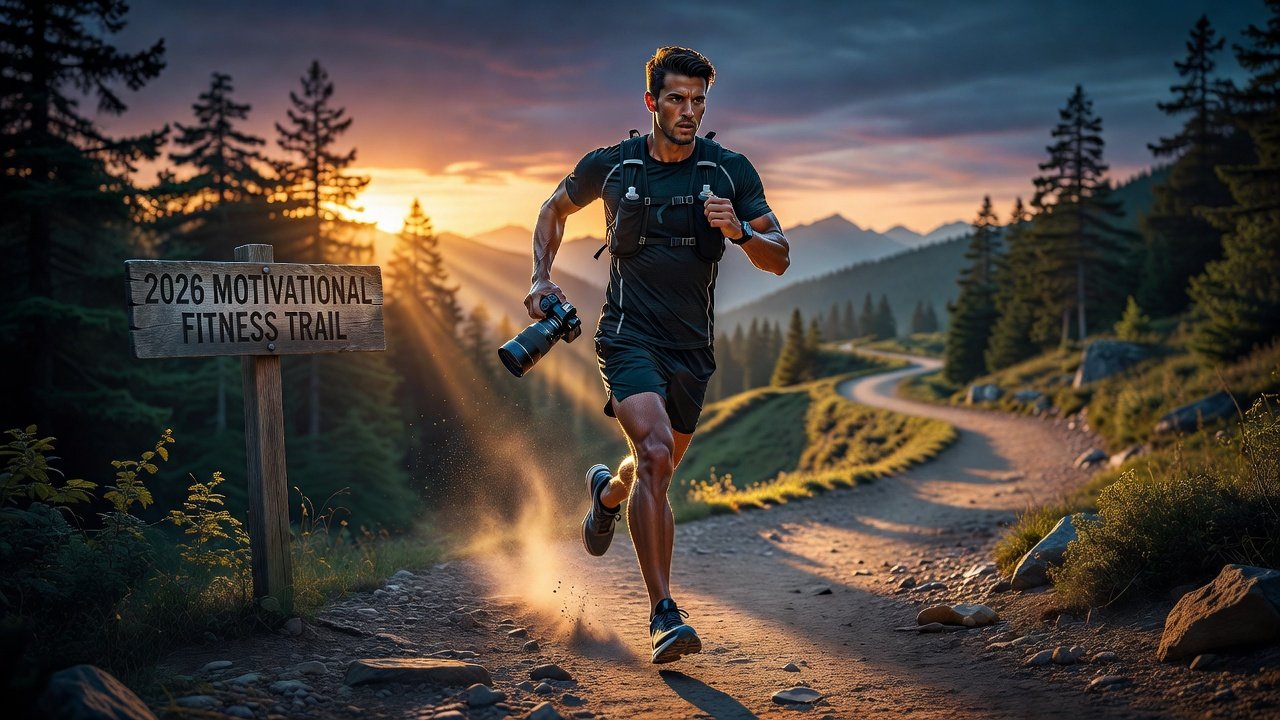
As a professional photographer, I never expected running to reshape my creative process so profoundly. Yet in early 2026, lacing up became the catalyst for consistent fitness and sharper visual storytelling. This runner story explores how documenting runs with a camera turned ordinary miles into powerful motivation tools, helping me stay accountable while inspiring others in the running community. Search trends around runner stories and running motivation highlight a desire for real, relatable experiences that go beyond generic advice. Visual proof of progress—sunrise trail shots or urban milestone captures—creates that spark and keeps athletes returning to the road or path day after day. In this comprehensive case study, I break down the techniques, comparisons, gear choices, and mindset shifts that made my 2026 fitness journey sustainable and creatively fulfilling. Whether you are a beginner seeking running motivation or a seasoned runner looking to integrate photography, these insights provide actionable steps drawn from months of experimentation and real-world results.
Pre-Run Route Scouting Techniques
Effective scouting starts weeks ahead and involves more than simply picking a path. I use satellite maps to identify optimal light angles, elevation changes, and safe photo-friendly spots that align with my training goals. For city runs, I prioritize golden-hour windows near iconic landmarks where reflections and shadows create dramatic compositions. Trail routes demand checking recent weather reports and trail conditions via official park sites to avoid hazards like mudslides or fallen branches. This prep ensures every session doubles as both workout and creative opportunity. I also maintain a digital notebook of favorite locations updated monthly, noting seasonal changes such as foliage color or construction detours. Practically, this scouting reduces decision fatigue on run days and increases the likelihood of capturing shareable images that reinforce my commitment to the training plan.
Integrating Photo Stops Into Training Plans
Photo stops are not distractions—they function as built-in recovery intervals that enhance both performance and creativity. I schedule 3-5 minute pauses every 5K to compose shots, which also allows heart rate to drop naturally and prevents overexertion. This method turned my half-marathon training into a hybrid creative-fitness plan where each run served dual purposes. Over six months, it helped me maintain 80% adherence to my schedule, far above previous attempts without the visual element. For example, during a 16-week block leading to a spring race, I mapped photo stops at specific mile markers and reviewed the resulting images weekly to track both physical improvements and compositional growth. The approach also introduced variety that fought boredom, a common barrier in long training cycles.
City Running vs. Trail Running for Motivation
City routes offer constant variety and architectural backdrops that fuel quick creative wins and social energy from fellow runners. The buzz of streets keeps pace high but can feel overwhelming on busy days when crowds interfere with shots. Trail running, by contrast, delivers solitude and natural light that sparks deeper reflection and mental clarity. In 2026, I alternated weekly: three city runs for speedwork and two trail sessions for endurance and mental reset. Both environments built different types of motivation—one social and fast-paced, the other immersive and restorative. To compare further, city running often requires more attention to traffic and timing, while trails demand navigation skills and weather awareness. Many runners find that mixing both prevents plateaus and sustains long-term interest in fitness goals. Runners World research consistently shows that varied terrain improves adherence rates over time.
Overcoming Creative Blocks Through Mileage
Creative stagnation hits photographers hard, especially during demanding client seasons. Running became my reliable antidote. After consistently hitting 10K+ weekly mileage, ideas flowed more freely during cool-down walks and post-run reviews. The rhythmic motion clears mental clutter while endorphins spark fresh composition concepts that translate directly to client work. One memorable 18-mile training run produced an entire series of motion-blur abstracts that later appeared in a gallery show, proving the crossover value. I also noticed that longer efforts on weekends led to breakthroughs on weekdays when editing felt stagnant. This mileage-driven creativity extended beyond photography into better problem-solving in daily life.
Step-by-Step Gear Recommendations for Runners Who Shoot
Choosing the right equipment makes blending hobbies feasible without compromising either activity. Begin with a lightweight mirrorless camera body under 500g to avoid shoulder or neck strain during long efforts. Next, select a versatile 24-70mm lens with image stabilization for run-and-gun flexibility across different lighting conditions. Add a slim chest harness or running vest with quick-access pockets designed for quick draws without stopping momentum. Invest in moisture-wicking straps and lens cloths to handle sweat, rain, and dust common in both urban and trail environments. Finally, carry a compact power bank rated for at least two full charges during long efforts to keep devices operational. These choices kept my kit functional without sacrificing run efficiency. Alternatives include smartphone attachments for minimalists or action cameras for extreme conditions, but dedicated mirrorless systems deliver superior image quality for motivational sharing.
Real Examples of Milestone Photos Fueling Progress
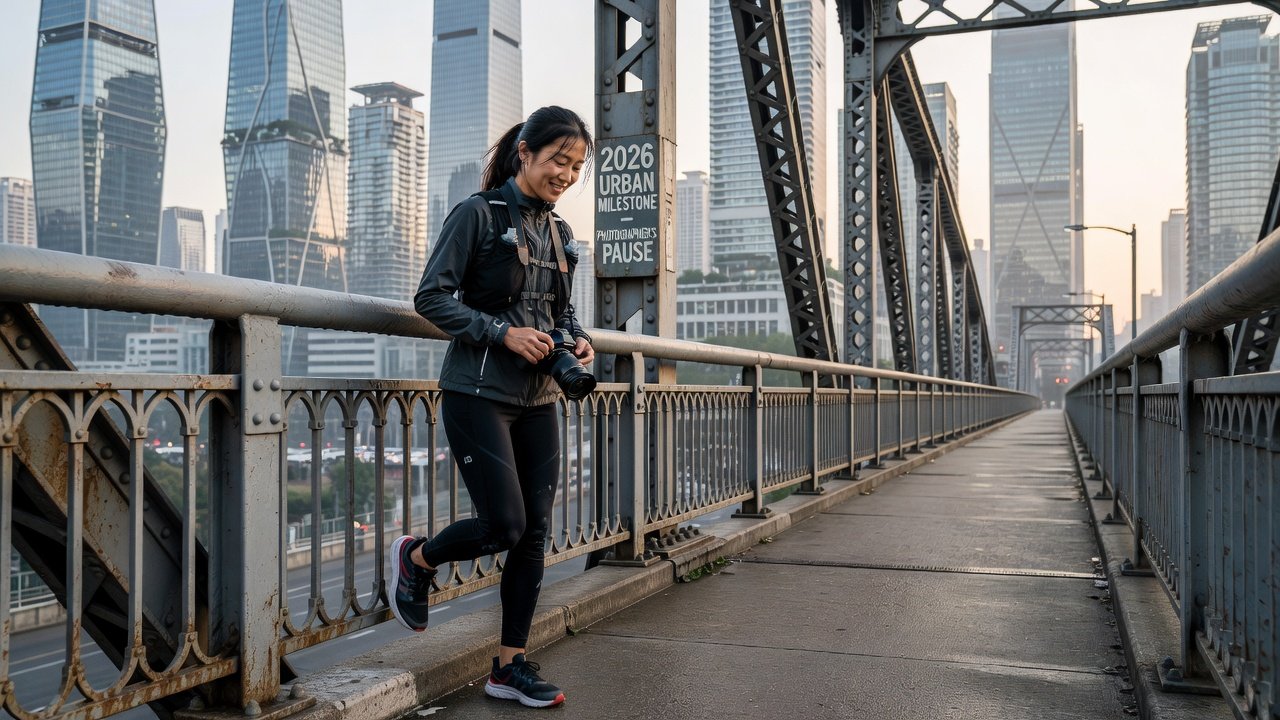
After completing my first 30K training block, a single photo of me crossing a city bridge at dawn became my phone wallpaper and daily reminder of capability. Seeing that image reinforced consistency during tough weeks. Another shot from a trail summit—sweat-streaked face against autumn foliage—marked the moment I hit a new weekly mileage record and celebrated with friends online. These visual anchors turned abstract goals into tangible proof of growth. Additional examples include a rainy-day urban series that documented resilience and later inspired a blog post series, plus a group trail photo that sparked a local running club meetup. Each image served as both record and motivator, creating a feedback loop of accountability.
How Visual Documentation Builds Accountability and Inspiration
Beyond personal use, sharing select photos on social platforms and running forums created external accountability. Followers began asking for route details and technique tips, which in turn pushed me to maintain higher standards. This public element amplified internal motivation, especially on days when solo runs felt optional. Inspiration flowed both ways: seeing other runners' documented journeys encouraged me during low periods. The practice also highlighted small wins, such as improved posture in later photos or faster recovery times visible in time-stamped images. Over time, this documentation became a personal archive of transformation that I revisit before big races.
Short FAQ: Blending Photography With Marathon Training
- How do I protect camera gear in rain? Use weather-sealed bodies and keep a small dry bag in your vest for quick protection.
- Is it safe to stop mid-run for photos? Choose low-traffic areas, stay visible to traffic or other runners, and limit stops to under five minutes.
- Can beginners start this hybrid approach? Yes—begin with short 5K loops focused on one scenic stop per session to build the habit gradually.
- Does extra weight affect race times? Minimal gear adds seconds per mile; train with it consistently to adapt and minimize impact.
- What editing apps work best post-run? Mobile apps like Lightroom Mobile allow quick adjustments on the go before full desktop edits.
- How often should I share photos? Limit to two or three per week to avoid burnout while maintaining community engagement.
Conclusion: The Lasting Impact of Visual Accountability
Running transformed my photography, and photography kept me running through every challenge in 2026. By merging the two, I created a sustainable practice that delivered both physical fitness gains and creative output that continues to grow. Whether you are chasing a marathon PR or simply seeking daily motivation, consider documenting your miles with intention. The camera becomes both witness and motivator, turning every step into a story worth sharing and revisiting. Start small, scout thoughtfully, and let the images guide your progress toward lasting results.

No comments yet. Be the first!