 The Runner Story

From Classroom Exhaustion to Running Motivation in 2026
Middle-school teacher Elena Vargas began 2026 feeling drained after long days of lesson planning, grading, and managing energetic students. Her personal running stories reveal how she turned that fatigue into consistent energy through running. This runner story highlights her shift from skipping workouts to completing her first 10K, inspiring other educators facing similar challenges. By mid-year, Elena noticed improved mental clarity and stamina that carried into her teaching. Her 2026 achievements demonstrate the power of gradual fitness integration for busy professionals who often feel there is never enough time.
Elena’s story is one of many runner stories emerging from the education field. Teachers across the country are discovering that consistent movement can counteract the emotional and physical toll of the profession. In her case, the decision to start small proved transformative rather than overwhelming.
The Demanding Reality of a Teacher’s Schedule
Educators often work 50-plus hours weekly, leaving little room for self-care. Elena’s initial attempts at exercise failed because she tried intense sessions after eight-hour school days. Research from the World Health Organization shows regular activity combats burnout, yet many teachers struggle to start. The constant cycle of meetings, parent communications, and after-school duties leaves most educators mentally spent by 4 p.m. Elena realized she needed a different approach that respected her limited bandwidth instead of fighting against it.
Her breakthrough came when she reframed running as non-negotiable recovery time rather than another obligation. This mindset shift allowed her to view runs as investments in her teaching effectiveness rather than distractions from it.
The Science Behind Running for Mental Clarity
Running triggers the release of endorphins and brain-derived neurotrophic factor, which support mood regulation and cognitive function. Elena noticed within three weeks that she could grade papers faster and retain lesson details more easily. These benefits compound over time, creating a positive feedback loop that makes showing up for runs easier. Studies consistently link aerobic exercise to reduced anxiety, which is particularly valuable during high-stress periods such as standardized testing seasons.
Building a Sustainable Running Routine
She started with 15-minute walks after school, progressing to run-walk intervals. This gradual approach helped her build endurance without injury. Key to her success was pairing runs with short mindfulness practices to clear her mind from lesson planning stress. Over the first eight weeks, she increased her time on feet by only two to three minutes per session, allowing her body to adapt safely.
Weekly Schedule Example for Educators
- Monday: 20-minute easy run after school (recovery focus)
- Tuesday: Rest or light yoga
- Wednesday: 30-minute run with intervals
- Thursday: Rest or walk
- Friday: 25-minute tempo run
- Saturday: Longer 45-60 minute run with community group
- Sunday: Active recovery walk and meal prep
This schedule allowed Elena to balance work demands while hitting consistent mileage. By June 2026 she averaged 15 miles weekly. She also created a second modified version for weeks with heavy grading loads, shortening runs to 15-20 minutes but keeping frequency the same to maintain habit momentum.
Overcoming Plateaus with Community Support
Plateaus hit in spring when motivation dipped. Elena joined a local teachers’ running club, finding accountability through shared stories. Community transformed her solo efforts into collective achievements, including a group 5K fundraiser. The group met twice weekly and shared route suggestions that fit around school calendars. One member even organized virtual check-ins during holiday breaks so momentum would not be lost.
CDC guidelines emphasize social support for long-term adherence to exercise. Elena credits the club with helping her push through the hardest weeks when lesson planning felt endless.
Tracking Progress and Setting 2026 Goals
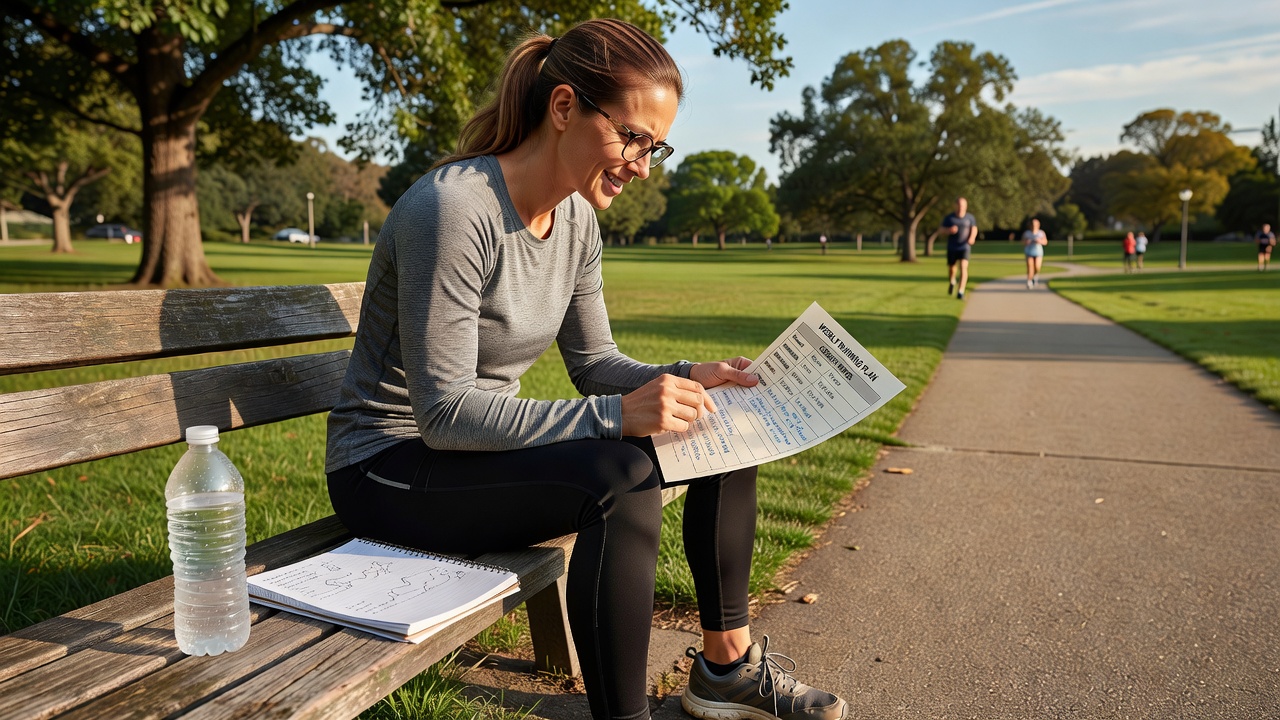
Elena used a simple spreadsheet to log distance, time, and how she felt afterward. Reviewing monthly trends revealed patterns, such as better energy on days she ran in the morning before school. She set three 2026 milestones: finish a 5K by March, complete a 10K by August, and maintain at least 12 weekly miles through December. Celebrating each milestone with a small non-food reward kept motivation high.
Practical Steps for Starting Your Own Journey
- Assess current energy levels and block 15-minute slots in your calendar before adding more time.
- Invest in comfortable shoes and a basic fitness tracker that syncs with your phone.
- Track progress weekly rather than daily to avoid discouragement from normal fluctuations.
- Incorporate runs near school for convenience, like park loops after dismissal or before morning meetings.
- Seek educator-specific groups online or locally for motivation and route sharing.
- Prepare gear the night before to reduce friction on busy mornings.
- Combine runs with podcasts or audiobooks that align with professional development interests.
Following these steps helped Elena stay consistent even during the busiest months of the school year.
FAQ: Starting Running Later in Life
Is it too late to begin running in my 40s or 50s?
No. Many adults start running successfully in later decades. Elena began at 42 with zero prior experience and completed multiple races by late 2026. The body responds well to gradual training regardless of age when proper recovery is prioritized.
How do I avoid injury as a beginner?
Follow the 10% rule: increase weekly mileage by no more than 10%. Include strength training twice weekly and prioritize sleep. Warm up with five minutes of walking before each run and cool down with gentle stretching afterward.
What if I have no time after teaching?
Short, consistent sessions work better than long sporadic ones. Many teachers run at dawn or during lunch breaks. Even 10-minute runs on the busiest days help maintain the habit.
Should I run alone or join a group?
Both have benefits. Solo runs offer flexibility, while groups provide accountability. Elena recommends starting solo for the first month, then adding one group run per week.
Can running help with teacher burnout?
Yes. Regular aerobic exercise improves mood regulation and sleep quality, two factors strongly linked to reduced burnout in education professionals.
Conclusion: Your 2026 Running Story Awaits
Elena’s journey proves that personal running stories can begin at any stage. By prioritizing small, consistent steps and leaning on community, educators can reclaim energy and mental sharpness. Start today and write your own runner story this year.


No comments yet. Be the first!