 The Runner Story

Introduction: Blending Sustainability and Running Motivation
Running delivers powerful benefits for cardiovascular health, mental clarity, and overall fitness, yet many athletes struggle to sustain motivation beyond the initial weeks or months. Integrating environmental sustainability into a running routine adds layers of purpose that transform ordinary workouts into meaningful contributions to the planet. This intersection creates accountability, community ties, and a sense of legacy that keeps runners engaged for years. Rather than viewing green habits as extra chores, they become natural extensions of training that refresh enthusiasm and reduce the risk of burnout. Runners who adopt these practices frequently report stronger adherence to schedules because each mile carries dual rewards: personal progress and positive ecological impact.
Throughout this guide we examine concrete strategies including route selection, plogging participation, and responsible gear choices. We provide beginner-friendly steps, detailed comparisons, and stories from real runners who have thrived by aligning fitness with environmental values. By the end you will possess a complete framework for weaving sustainability into your journey while keeping motivation consistently high.
Selecting Low-Impact Running Routes for Daily Inspiration
Choosing routes that minimize environmental damage while maximizing personal enjoyment forms the foundation of sustainable running. Traditional concrete paths often lead to repetitive scenery and higher joint stress, whereas trails through parks or restored natural areas offer varied terrain that strengthens stabilizing muscles and engages the mind. Beginners should begin by mapping nearby green spaces using municipal park websites and confirming seasonal accessibility. Focus on paths designated for foot traffic only to protect fragile ecosystems and avoid contributing to soil compaction.
Practical implementation involves running at dawn or dusk to lessen trail congestion, carrying reusable water bottles instead of single-use plastics, and noting wildlife sightings to deepen connection with the surroundings. Many runners discover that natural acoustics and changing light patterns make sessions feel shorter and more restorative. Over time this sensory richness replaces the need for external entertainment like podcasts, fostering a meditative state that directly supports long-term adherence.
Consider the experience of Elena, a corporate professional who transitioned from urban sidewalks to a nearby wetland preserve. After four weeks she logged 20 percent more weekly mileage because the biodiversity and quiet atmosphere made early-morning runs something she anticipated rather than endured. Her story illustrates how route choice alone can reignite passion when motivation plateaus.
Participating in Plogging Events to Combine Fitness and Impact
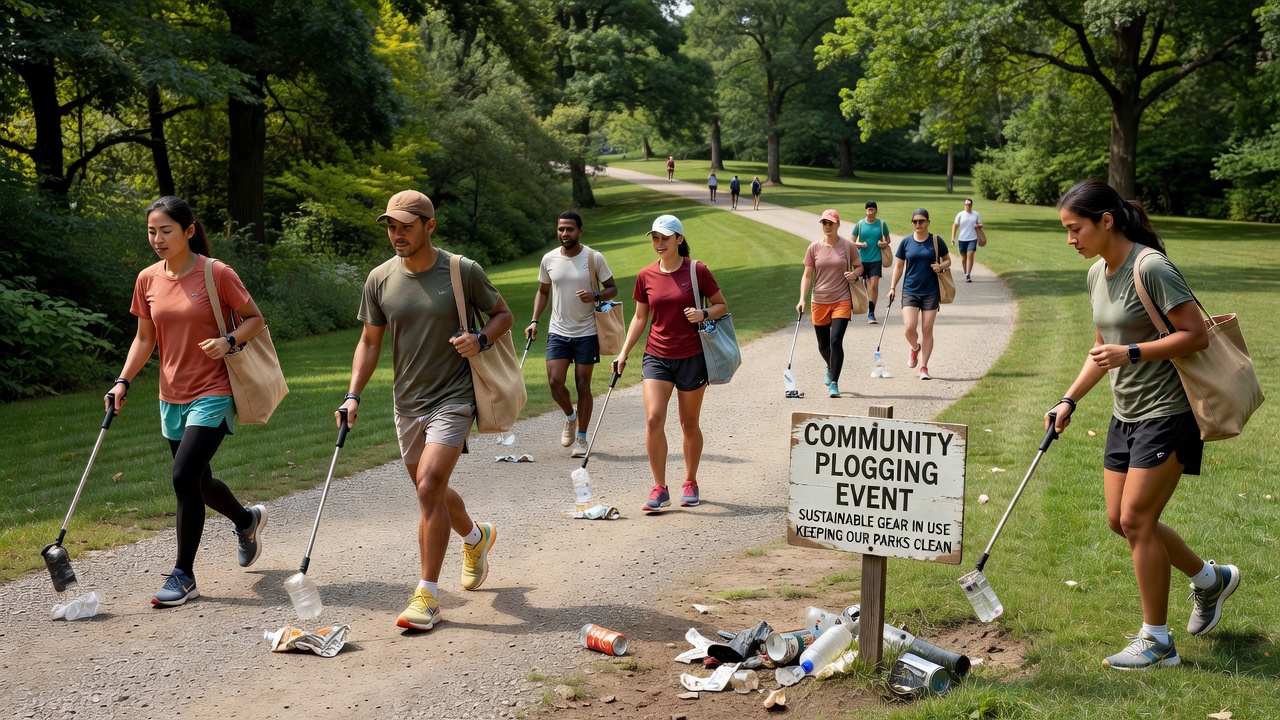
Plogging integrates jogging with litter collection, converting every outing into active environmental stewardship. Originating in Sweden, the practice now thrives worldwide through organized community events that pair physical exertion with visible cleanup results. The social component proves especially valuable for runners who train alone and battle isolation during challenging seasons.
Beginners can locate events by contacting local running clubs or environmental nonprofits, then prepare with lightweight reusable bags, gloves, and a small backpack. Sessions typically last 45 to 60 minutes and cover distances between three and five miles, allowing participants to ease into the dual activity. Tracking personal waste collected provides tangible metrics that complement traditional pace or distance goals, creating additional layers of achievement.
One dedicated runner named Marcus joined weekly plogging meetups during a period of waning winter motivation. The accountability of group schedules and the satisfaction of cleaner trails kept him consistent when solo runs felt daunting. Over six months he reported both improved fitness markers and a renewed sense of civic contribution that extended into other lifestyle areas.
Learn more about community environmental initiatives from the EPA. Additional guidance on trail preservation appears on the National Park Service website.
Choosing Sustainable Running Gear for Ethical Consistency
Apparel and footwear decisions influence both environmental footprint and personal motivation. Conventional products often rely on virgin plastics and short product lifecycles that generate landfill waste, whereas sustainable alternatives incorporate recycled ocean plastics, organic fibers, and modular designs built for repair. Runners who select these options frequently experience stronger alignment between training values and daily purchases, which reinforces commitment to consistency.
When comparing approaches, note that traditional shoes may require frequent replacement due to material breakdown, while responsibly manufactured models emphasize durability and take-back programs. This shift reduces decision fatigue around upgrades and frees mental resources for actual training. Real-world accounts highlight how such choices create emotional investment; one athlete described feeling more connected to each run knowing the gear reflected broader ethical priorities.
Traditional vs Sustainable Approaches: A Clear Comparison
- Motivation Drivers: Traditional methods emphasize numeric targets such as pace or weekly volume, while sustainable methods layer purpose through measurable ecological benefits.
- Social Elements: Solo road sessions versus collaborative events like group cleanups that build lasting relationships.
- Resource Use: High turnover of synthetic items versus investment in repairable, lower-impact products.
- Mental Health Outcomes: Performance pressure alone versus holistic wellness that includes connection to nature and community contribution.
- Long-Term Retention: Higher dropout rates from repetitive routines versus sustained engagement fueled by meaningful impact.
Transition gradually by introducing one sustainable element every two weeks to prevent overload and allow habits to solidify naturally.
Practical Steps for Beginners to Get Started
- Inventory current routes and replace one paved segment with a nearby trail or park loop each week.
- Register for an introductory plogging session through a local club or park district calendar.
- Review existing wardrobe and identify three items eligible for replacement with recycled-material alternatives.
- Establish a simple tracking system logging both mileage and sustainability actions such as waste collected or trails maintained.
- Join online forums focused on eco-running to exchange tips and celebrate milestones with like-minded athletes.
- Schedule monthly reflection sessions to assess how green habits influence overall enjoyment and consistency.
FAQ: Common Concerns About Green Running Initiatives
Will sustainable practices slow my progress?
Evidence from trail runners shows varied terrain often improves strength and reduces injury risk, supporting rather than hindering performance gains over time.
How do I find local plogging groups?
Check municipal recreation department listings, environmental nonprofit calendars, and social platforms dedicated to community cleanups in your region.
Is sustainable gear more expensive?
While upfront costs can differ, durable construction and repair programs frequently lower lifetime expenses compared with frequent replacements.
Can beginners really make an impact?
Collective participation from new runners amplifies local results dramatically, with many parks reporting measurable improvements after regular group efforts.
What if weather limits outdoor options?
Indoor treadmills paired with virtual trail apps or community challenges maintain momentum until conditions improve for outdoor sustainable activities.
Conclusion: Running with Purpose
Adopting sustainable practices elevates running from a fitness routine into a purposeful lifestyle that continually renews motivation. Thoughtful route selection, active participation in plogging, and responsible gear choices deliver compounding benefits for both body and environment. Begin with a single change this week and allow the synergy of personal health and planetary care to carry you forward for years of rewarding miles.


No comments yet. Be the first!