 The Runner Story
Introduction: From Solo Struggles to Shared Success
In early 2026, I hit a wall with my running routine. Despite setting ambitious goals, solo runs often ended in skipped workouts and waning enthusiasm. Everything changed when I discovered the power of local running communities. This personal story explores how connecting with others turned my fitness journey into one of unexpected bonds and lasting motivation. Many runners start alone, chasing personal bests in isolation. Yet research from the Mayo Clinic highlights that social support significantly boosts exercise adherence. For me, joining a club wasn't just about miles—it was about accountability and joy. The shift began after months of inconsistent training where I would lace up with good intentions only to cut runs short due to boredom or fatigue. A chance invitation from a coworker to a weekend group run opened my eyes to a different approach entirely.
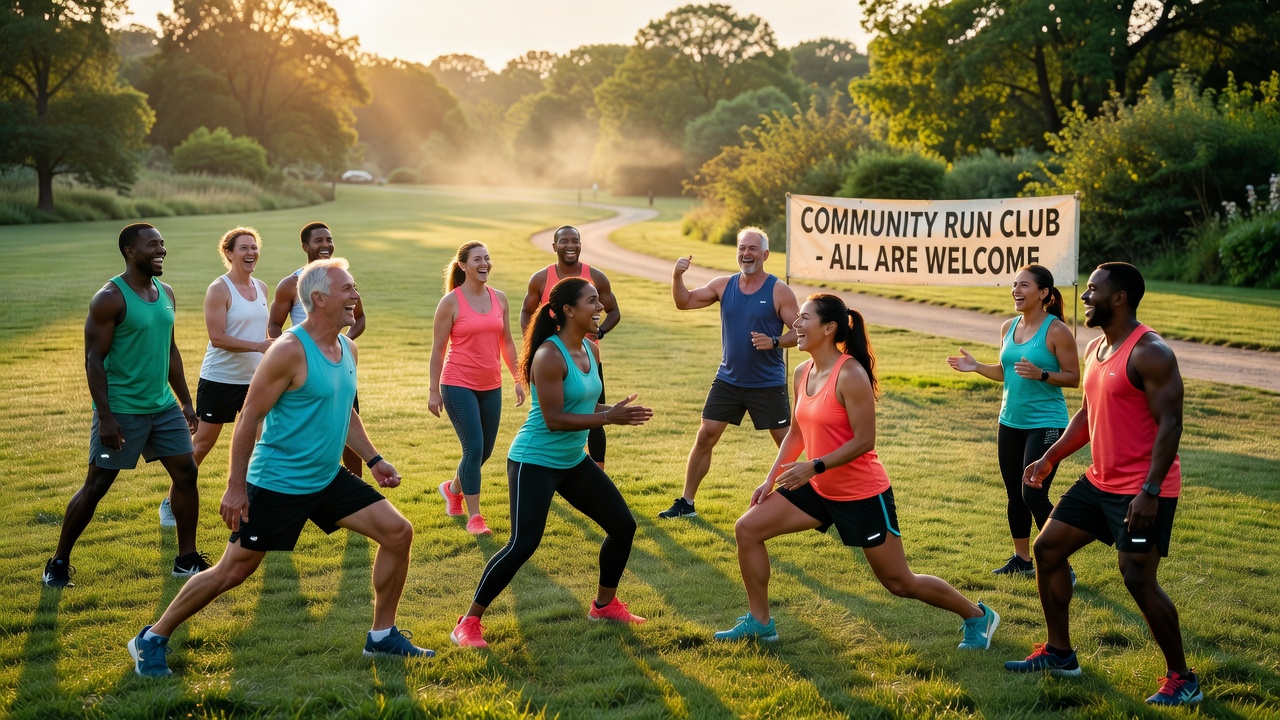
That first Saturday morning changed everything. Instead of pushing through alone, I found myself surrounded by runners of all ages and abilities who shared tips, laughed during easy miles, and encouraged each other on tougher stretches. The sense of belonging provided the missing piece that solo efforts lacked. Over the following months, these connections helped me not only increase my mileage but also rediscover genuine enjoyment in the process. This article dives deep into the mechanisms behind community-driven motivation, offering practical steps and real examples drawn from my 2026 experiences.
How Running Clubs Build Consistency
Weekly group runs created a rhythm I couldn't ignore. Scheduled meetups meant I showed up even on tough days. In my case, the local trail running group met every Tuesday and Saturday, turning sporadic training into a reliable habit. The structure eliminated the daily decision fatigue that had previously derailed my progress. Knowing others expected me made canceling feel far less appealing than it had when I trained solo. Consistency grew naturally from this external accountability rather than relying solely on internal willpower, which often fluctuated with work stress or weather.
Real-world examples include accountability partners who texted reminders or celebrated small wins. One runner in my circle shared how pairing with a beginner helped both improve pace and endurance over months. We tracked progress together using shared apps, turning individual goals into collective achievements. Another member described how the group dynamic helped her return after an injury by easing back in with supportive company instead of facing the comeback alone. These stories reinforced that clubs foster habits through social reinforcement, where missing a run impacts more than just your own streak.
Practical tip: Start with one weekly commitment to ease into the social aspect without overwhelm. Choose a time that aligns with your schedule and commit for at least four weeks before evaluating results. Track how many sessions you complete compared to your previous solo attempts to see the difference clearly.

Steps for Finding and Joining a Running Community
Finding the right group requires intentional effort but pays off quickly. Begin by researching local options through running specialty stores, community centers, or park district listings. Many clubs host beginner orientation sessions that introduce newcomers to the culture without pressure. I started by visiting a popular running shop that maintained a bulletin board of upcoming group runs and club contacts. This led me to three potential groups within a ten-mile radius.
- Search local running stores or apps for clubs—many host free intro runs to test the waters.
- Attend a no-pressure event to gauge the vibe and pace groups available for different abilities.
- Introduce yourself and ask about newcomer programs or buddy systems that pair experienced members with beginners.
- Commit to three sessions before deciding if it fits your style, allowing time to build familiarity.
- Follow up after runs by exchanging contact information with a few members to strengthen emerging connections.
Integrating took time, but friendly faces made it easier. Beginners often fear being the slowest; most clubs welcome all levels with dedicated groups. My first few runs felt awkward until I realized everyone started somewhere. The key was showing up consistently and gradually participating in post-run conversations.
Solo vs. Group Running: Key Comparisons
- Flexibility: Solo offers anytime freedom allowing runs at odd hours or during travel; groups provide structure and social energy that turns exercise into an event.
- Motivation: Solo relies on self-discipline which can wane during plateaus; groups deliver external encouragement and friendly competition that pushes performance higher.
- Benefits: Group runs reduce injury risk through shared pacing knowledge and foster mental resilience via conversations that distract from discomfort. The CDC notes that social support improves long-term physical activity adherence rates.
- Drawbacks: Solo avoids scheduling conflicts but risks loneliness; groups may require compromise on routes or speeds yet offer richer experiences overall.
Ultimately, blending both approaches worked best for my 2026 progress. I maintained one solo midweek run for personal reflection while prioritizing group sessions for the motivational boost.
The Role of Accountability Partners in Long-Term Success
Accountability partners became central to my routine. These were fellow runners who checked in regularly, shared training logs, and offered encouragement during tough weeks. One partner and I scheduled monthly goal reviews where we discussed upcoming races and adjusted plans based on how our bodies responded. This collaborative planning prevented overtraining and kept motivation high even when individual enthusiasm dipped. Partners also introduced variety by suggesting new routes or cross-training activities that I might not have tried alone.
Overcoming Initial Social Barriers: FAQ
What if I'm shy or new to running?
Most clubs have beginner-friendly sessions. Focus on showing up—conversation flows naturally during runs. Start by listening more than talking until you feel comfortable. Many members remember their own first days and go out of their way to welcome newcomers.
How do I find the right group?
Try different clubs via community boards or parks. Match pace and personality first. Visit at least two or three options before committing, as each has its own culture and focus areas such as trail running or road racing.
Can virtual communities help too?
Yes, online forums supplement in-person bonds, especially for tracking shared challenges. Platforms hosted by running organizations provide additional motivation through virtual challenges and discussion threads when weather prevents outdoor group runs.
What if I worry about keeping up?
Most groups split into pace-based subgroups. Communicate your current level upfront so organizers can match you appropriately. Improvement happens faster with consistent group exposure than isolated training.
Motivational Takeaways and Next Steps
By mid-2026, community connections had doubled my weekly mileage and restored my love for running. The bonds extended beyond workouts into lifelong friendships. If you're seeking similar inspiration, start small: attend one group run this week. The unexpected support might just transform your story too. Remember, running motivation thrives in connection. Explore local options and embrace the journey together. The social element adds layers of meaning that pure mileage goals cannot provide alone.


No comments yet. Be the first!