 The Runner Story
Introduction: Running Through Borders and Time Zones
As a digital nomad in 2026, I've discovered that true consistency in running comes not from ideal weather or fixed routines but from embracing constant change. My journey started in late 2025 when I committed to combining remote freelance work with running across multiple countries. Over the past year, I've maintained a steady training log while moving between Asia, Europe, and South America, often juggling client deadlines with early-morning miles. This first-person account dives deep into the realities of staying motivated despite location shifts, irregular schedules, and the mental hurdles of solo travel.
Digital nomadism has grown rapidly, with millions choosing location-independent careers. For runners like me, this lifestyle offers endless new routes but demands flexibility. Running serves as my daily reset button, helping me process new cultures and combat the isolation that can creep in after weeks on the road. The goal isn't elite performance every session—it's showing up consistently, no matter the city.
Adapting Runs to New Cities
Every destination presents fresh variables: air quality, elevation, traffic patterns, and even social norms around exercise. Upon landing in a new place, my first priority is a low-pressure reconnaissance run within the initial 24 hours. In dense urban centers like Tokyo, I learned to start before dawn to dodge commuter crowds and explore temple-adjacent paths that wind through quiet neighborhoods. Humidity in Southeast Asia forced me to shorten initial efforts and focus on hydration strategies, carrying a small collapsible bottle rather than relying on fountains.
Coastal cities such as Cape Town required checking tide tables and wind forecasts to avoid dangerous rocky sections. High-altitude spots like Bogotá demanded slower pacing and extra recovery days to let my body adjust. Cultural awareness matters too—some neighborhoods view solo runners suspiciously, so I always dress modestly and stick to well-lit public areas. Over time, these adaptations have built resilience, turning potential setbacks into opportunities for creative route-finding using free mapping apps and local runner communities.
Balancing Training with Work Demands
Remote work thrives on flexibility, yet it can easily swallow entire days with video calls and deliverables. I protect my running block like any client meeting by blocking 45 to 60 minutes in my calendar each morning before 9 AM local time. This habit survived across time zones because I adjust gradually: shifting my body clock by one hour per day when crossing continents. During intense work periods, I break sessions into morning easy runs and short evening strides if energy allows.
Productivity tools help tremendously. Time-blocking apps keep me honest, while the Pomodoro method during work hours maintains focus so I don't feel guilty stepping away for training. Post-run clarity often sparks better problem-solving on projects, creating a virtuous cycle. I've found that skipping runs leads to afternoon fatigue and poorer output, whereas consistent movement fuels sharper thinking and sustained energy throughout long workdays.
Mental and Productivity Benefits
The psychological advantages extend far beyond physical fitness. Running in unfamiliar settings reduces the anxiety that comes with constant relocation and cultural adjustment. A simple 5K loop through a foreign park can reset my mood after a frustrating day of spotty Wi-Fi or delayed flights. Research supported by the World Health Organization underscores how regular physical activity supports mental well-being, a benefit I've experienced repeatedly while living out of a suitcase.
Creativity also surges during runs. Many work ideas—blog outlines, client strategies—surface naturally mid-stride when my mind wanders freely. This portable mindfulness practice combats the loneliness of solo travel and keeps motivation high even when progress feels slow. Over months on the road, running has become my most reliable tool for maintaining emotional balance and professional momentum.
Gear Recommendations for Minimalists
Travel demands lightweight, multi-purpose equipment that survives rough handling. My core kit includes one pair of versatile neutral trainers that handle both pavement and light trails, three sets of quick-dry shirts and shorts, and a compact GPS watch for tracking without phone dependency. A foldable running vest replaces bulky jackets, and compression socks double as recovery wear on flights. Strength work happens via bodyweight circuits in hotel rooms—no gym membership required. 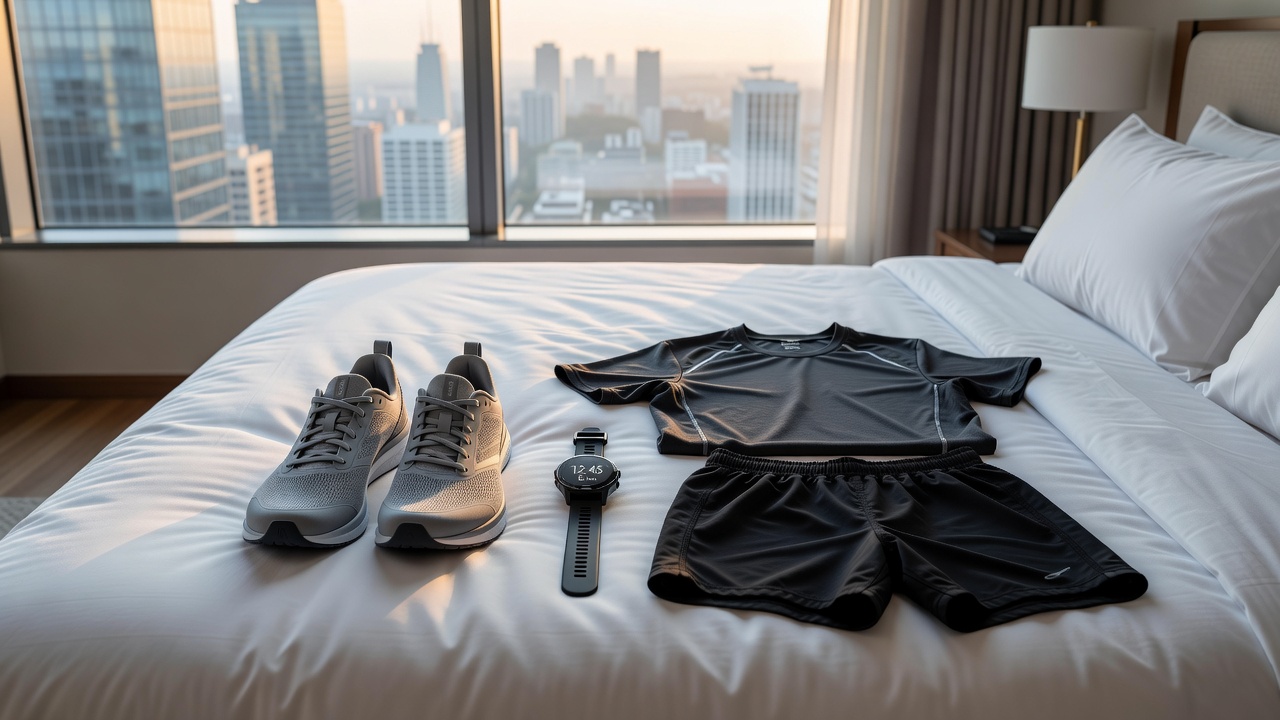
These choices keep my total luggage under airline limits while supporting 30–40 km weekly volumes. I rotate shoes carefully to extend lifespan and always pack a basic repair kit for minor blisters. The minimalist mindset extends to mindset: fewer items mean less decision fatigue, freeing mental space for enjoying each new running environment.
Real Examples from Three Continents
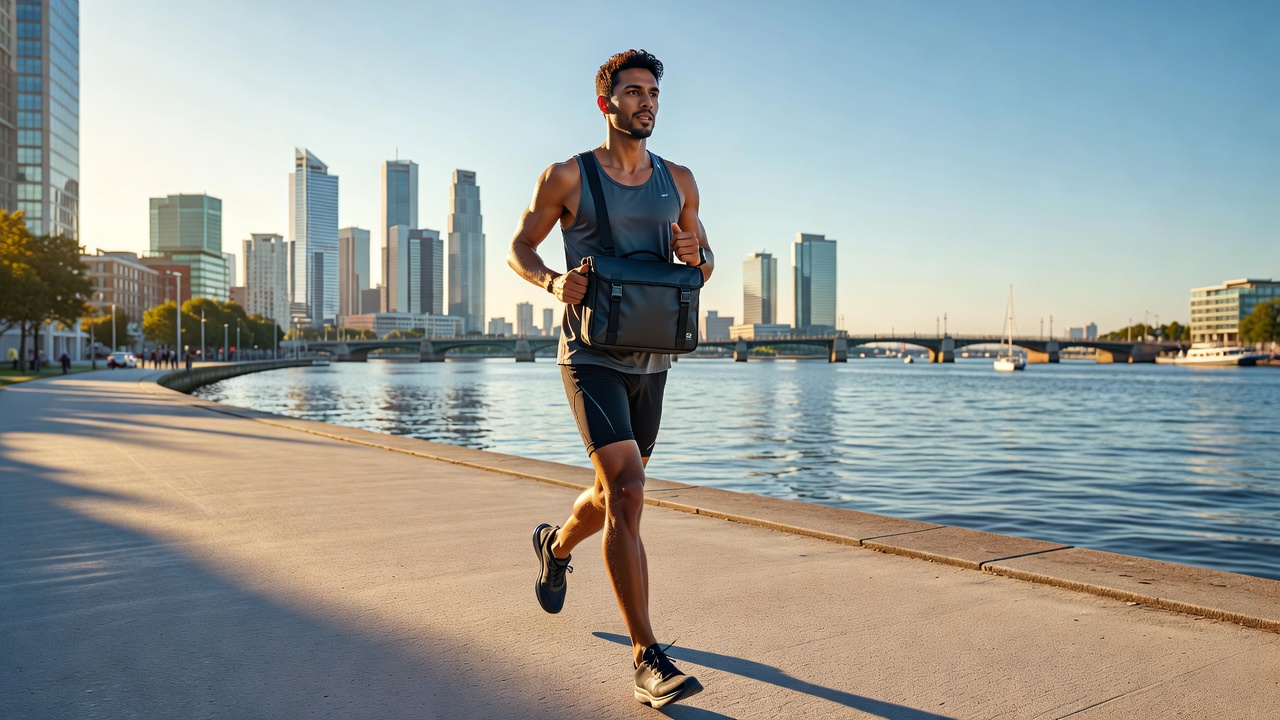
Asia offered humid, vibrant challenges. In Bangkok, riverfront paths at dusk provided cooling breezes and spectacular skyline views, though I adapted by running shorter loops and fueling with local fruit. Seoul's extensive subway system let me reach mountain trails for hill work between client meetings, building leg strength I hadn't expected.
Europe brought varied terrain and history. Lisbon's steep cobblestone streets doubled as natural interval training, improving my climbing ability while I explored neighborhoods between deadlines. In Berlin, flat park loops allowed easy recovery runs and spontaneous group jogs with other expats. South America tested altitude and adventure. Bogotá's high elevation slowed my pace dramatically at first but delivered noticeable endurance gains within two weeks. Later stops in Buenos Aires featured waterfront promenades perfect for long, meditative efforts that cleared my head after intense work sprints.
Each continent reinforced the same lesson: local conditions shape the run, but the habit itself remains constant.
Practical Steps to Start Your Journey
- Establish a three-run-per-week base at home for at least a month before departure to build habit resilience.
- Upon arrival, spend the first evening researching safe daylight routes via maps and local forums.
- Pack only versatile, quick-dry layers and a reliable tracking device; test everything on short trips first.
- Block training time in your work calendar as non-negotiable appointments and communicate boundaries to clients.
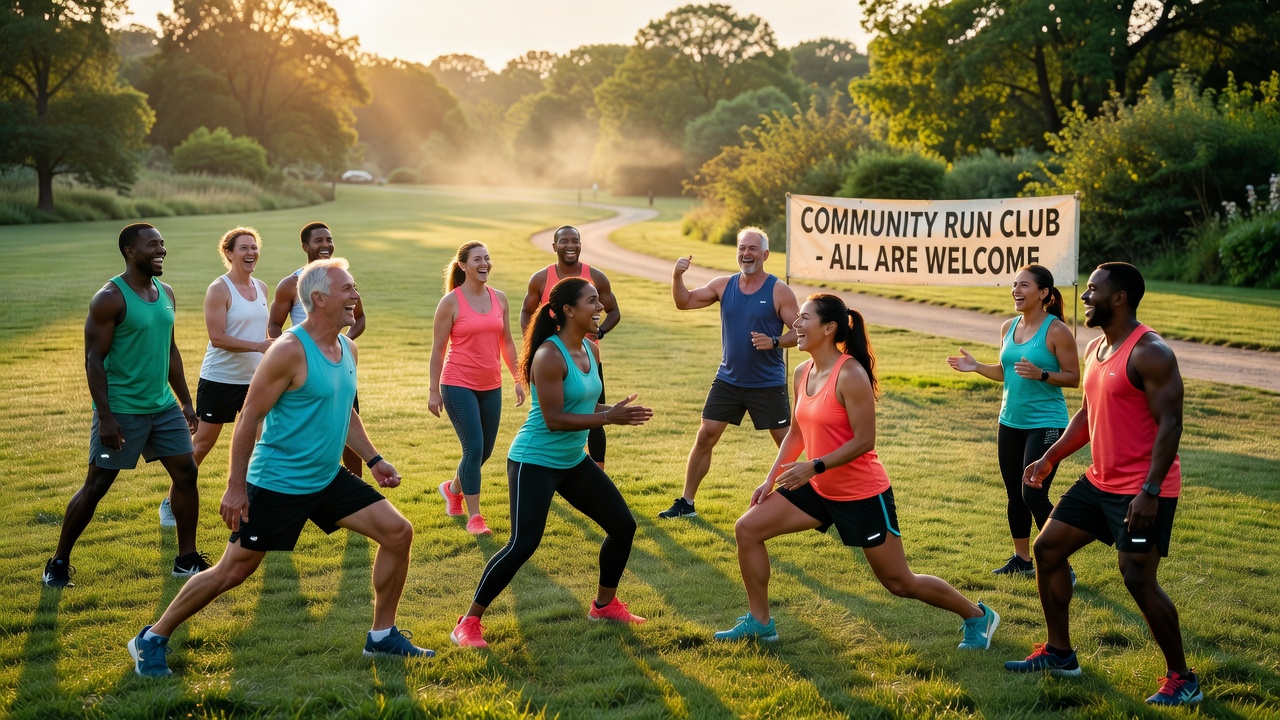
- Join temporary running groups through apps or hostels for accountability and cultural insights.
- Track weekly distance and how you feel rather than pace, allowing flexibility for travel fatigue.
- Build in deload weeks every fourth week to prevent burnout across changing time zones.
FAQ: Safety and Route Planning
How do you stay safe running alone in new cities?
Always run during daylight hours when possible, share your planned route with a trusted contact, and choose populated paths. Check local safety apps and avoid isolated areas after dark. The Centers for Disease Control and Prevention offers general travel health guidance that applies to outdoor activity.
What if no safe outdoor routes exist?
Shift to treadmill sessions in accommodations or create indoor circuits using bodyweight moves. Flexibility prevents total loss of momentum during challenging locations.
How far in advance should I plan routes?
Digital scouting the evening before followed by a short verification jog the next morning works best. Local runner groups provide up-to-date intel on construction or events.
Should I carry identification or money?
Yes—keep a small ID card, emergency contact, and minimal cash in a secure pocket. A basic first-aid strip prevents minor issues from ending a session early.
Running as a digital nomad has turned travel into an ongoing adventure rather than a series of disruptions. By prioritizing adaptability and consistency, the world itself becomes an ever-changing training ground. Start with small commitments, stay curious about each new route, and let movement fuel both your fitness and your freedom.

No comments yet. Be the first!