 The Runner Story

From Battlefield to Running Path: A Veteran's Inspiring 2026 Journey
Transitioning from military service to civilian life presents profound challenges for many veterans, including loss of structure, identity shifts, and physical health adjustments. For one dedicated former service member, discovering running in 2026 became a transformative force, turning personal struggles into a compelling fitness journey filled with motivation and achievement. This runner story not only highlights the power of perseverance but also provides actionable insights for anyone seeking to build endurance and mental strength through consistent movement. By examining the veteran's experiences, readers can uncover practical ways to adapt proven military principles to everyday fitness routines while fostering long-term motivation.
Adapting Military Discipline to Daily Runs
Military life emphasizes routine, accountability, and pushing through discomfort, qualities that prove invaluable when establishing a running habit. In this veteran's case, the transition began by treating daily runs as mandatory physical training sessions, complete with scheduled times, progress logs, and accountability partners. Early morning starts mirrored boot camp awakenings, creating a familiar rhythm that eased the adjustment to civilian schedules. This approach helped rebuild cardiovascular fitness while combating the isolation often felt after leaving the service. Over time, the veteran incorporated elements like cadence drills from marching into stride work, resulting in improved efficiency and reduced injury risk. Real-world examples from the journey show how setting weekly mileage targets—starting at just 10 miles and building gradually—maintained the sense of mission essential for sustained effort.
Overcoming Initial Barriers with Practical Steps
Many veterans encounter barriers such as lingering injuries, fluctuating motivation, and the absence of team support when starting civilian fitness programs. The veteran overcame these through deliberate, step-by-step actions that emphasized safety and incremental progress. First, a thorough medical checkup identified any service-related issues, allowing for tailored modifications like shorter initial sessions. Second, walk-run intervals formed the foundation, progressing from 1-minute runs to continuous miles over several weeks. Third, journaling each session mirrored military after-action reviews, helping identify patterns in energy levels and recovery needs. Additional practical steps included investing in quality footwear for proper support, joining online forums for virtual camaraderie, and using apps to track streaks for psychological wins. These methods transformed early frustrations into milestones, demonstrating that barriers are surmountable with structured planning and patience.
Mental Resilience on the Fitness Journey
Running serves as a powerful tool for building mental resilience, especially for those carrying the weight of military experiences. The veteran drew upon combat-honed visualization techniques, imagining successful finishes during challenging intervals, and employed simple mantras like "one step at a time" to push through mental walls. Research from Mayo Clinic supports how consistent aerobic exercise can significantly lower stress hormones and enhance mood stability, benefits particularly relevant during life transitions. Beyond that, incorporating mindfulness elements such as focusing on breath during long runs helped process emotions and reduce anxiety. Examples from training logs reveal how tough days on the road often led to breakthroughs in confidence, reinforcing that physical endurance directly fuels emotional strength. This synergy between body and mind became a cornerstone of the veteran's ongoing motivation.
Comparing Endurance Training Methods
Effective endurance development requires comparing various training philosophies to find what aligns with individual needs and recovery capacity. Traditional high-volume base building, reminiscent of extended military marches, focuses on slow, steady miles to expand aerobic capacity and build fatigue resistance. In contrast, interval-based methods emphasize speed bursts followed by recovery, targeting improvements in lactate threshold and overall pace. The veteran experimented with both, ultimately favoring a hybrid model: three weekly long runs for endurance foundation combined with one hill or tempo session for strength gains. This balanced strategy avoided the burnout common in pure high-intensity programs while delivering measurable progress, such as shaving minutes off personal records. Comparisons in training data showed hybrid approaches yielded better consistency over six months than singular methods, offering a sustainable path for beginners and experienced runners alike.
Real-World Training Milestones and Community Involvement
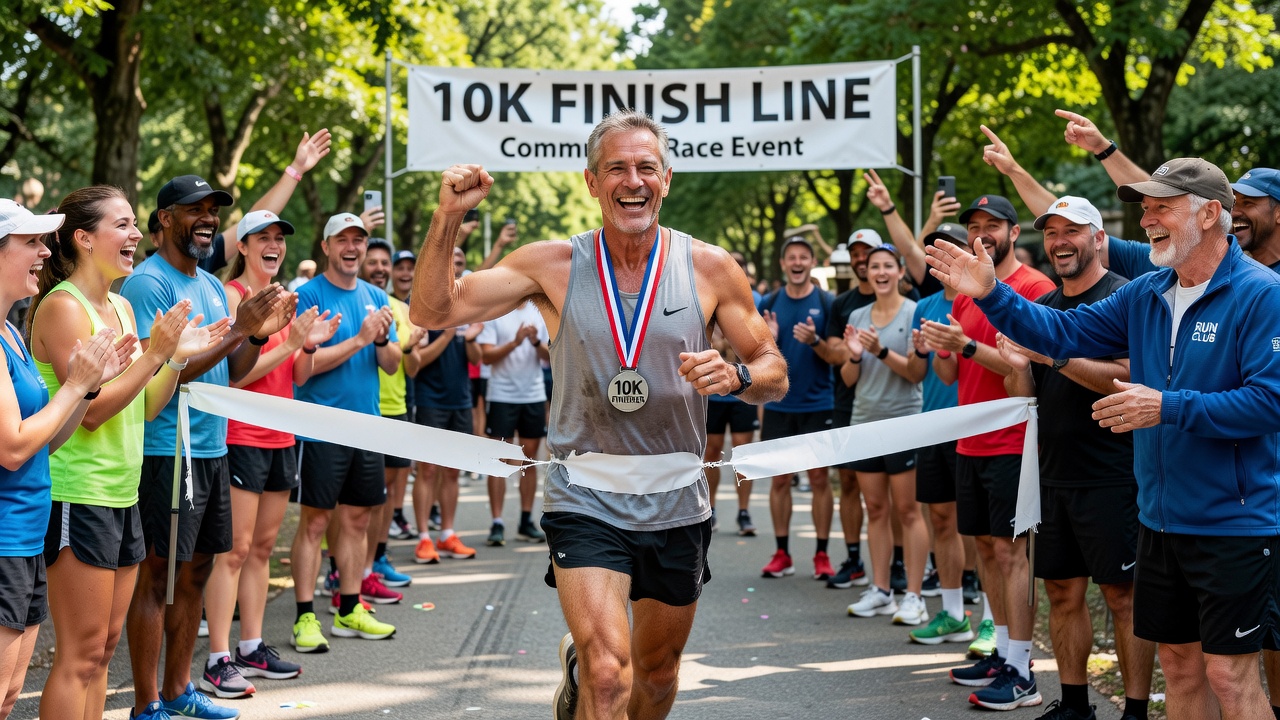
Key milestones marked the veteran's evolution from novice to committed runner, including completing a first 5K in under 30 minutes, advancing to a 10K finish, and eventually tackling a half marathon by mid-2026. Each achievement reinforced motivation through tangible proof of progress. Community involvement played an equally vital role, with participation in local veteran running clubs providing the team atmosphere missing from civilian life. Group runs fostered accountability, shared advice on gear and nutrition, and collective celebrations at race events. These connections not only enhanced enjoyment but also introduced diverse perspectives on overcoming setbacks, creating a support network that mirrored military bonds. Real examples include collaborative training for charity races, which added purpose and social accountability to solitary miles.
Beginner-Friendly Guide: Starting Your Own Running Routine
Drawing directly from the veteran's experiences, here is a comprehensive beginner guide to launching a sustainable running routine. Begin by evaluating current fitness through a simple timed walk or easy jog to establish a baseline. Next, select appropriate running shoes at a specialty store for gait analysis and fit. Follow a structured plan of three runs weekly, beginning with 20-minute sessions that mix walking and jogging. Prioritize proper form by maintaining an upright posture, relaxed arms, and short strides to minimize impact. Integrate strength exercises twice weekly, focusing on core and legs, to support running mechanics. Monitor nutrition with balanced meals rich in proteins and complex carbs, and always include dynamic warm-ups and cool-down stretches. Track everything in a dedicated notebook or app, adjusting based on how the body responds. Finally, listen to warning signs like persistent pain and seek professional guidance when needed. This methodical process mirrors the veteran's success and sets newcomers up for gradual, injury-free advancement.
Short FAQ: Sustaining Motivation Long-Term
How do I stay motivated when progress slows?
Reconnect with your core reasons for running, whether honoring past service, improving health markers, or pursuing new distances. Vary routes and training partners regularly, and celebrate small non-running wins like improved sleep quality or energy levels throughout the day.
What if old injuries flare up?
Immediately reduce intensity and incorporate targeted strength work or physical therapy sessions. Many veterans successfully pivot to cross-training options such as swimming or cycling during recovery windows to maintain fitness without aggravating issues.
Is running alone enough for overall fitness?
While excellent for cardiovascular health, combine running with twice-weekly strength training and flexibility work for balanced development. Recommendations from CDC suggest at least 150 minutes of moderate aerobic activity each week alongside muscle-building exercises for comprehensive wellness.
How can I maintain consistency during busy periods?
Treat runs like non-negotiable appointments on your calendar, starting with shorter sessions when time is limited. Building a flexible routine that adapts to life demands, much like military contingency planning, helps preserve momentum over months and years.
Conclusion: Running as a Lifelong Source of Strength
This veteran's 2026 runner story exemplifies how the discipline and resilience cultivated in military service can ignite and sustain an extraordinary civilian fitness journey. Through adapted routines, mental strategies, community ties, and practical beginner frameworks, the path to long-term motivation becomes clear and achievable. Whether you are a veteran or simply inspired by such stories, embracing running offers a reliable avenue for personal growth, health, and purpose. Begin today with small steps, remain consistent, and discover the profound strength that comes from putting one foot in front of the other.

No comments yet. Be the first!