 The Runner Story
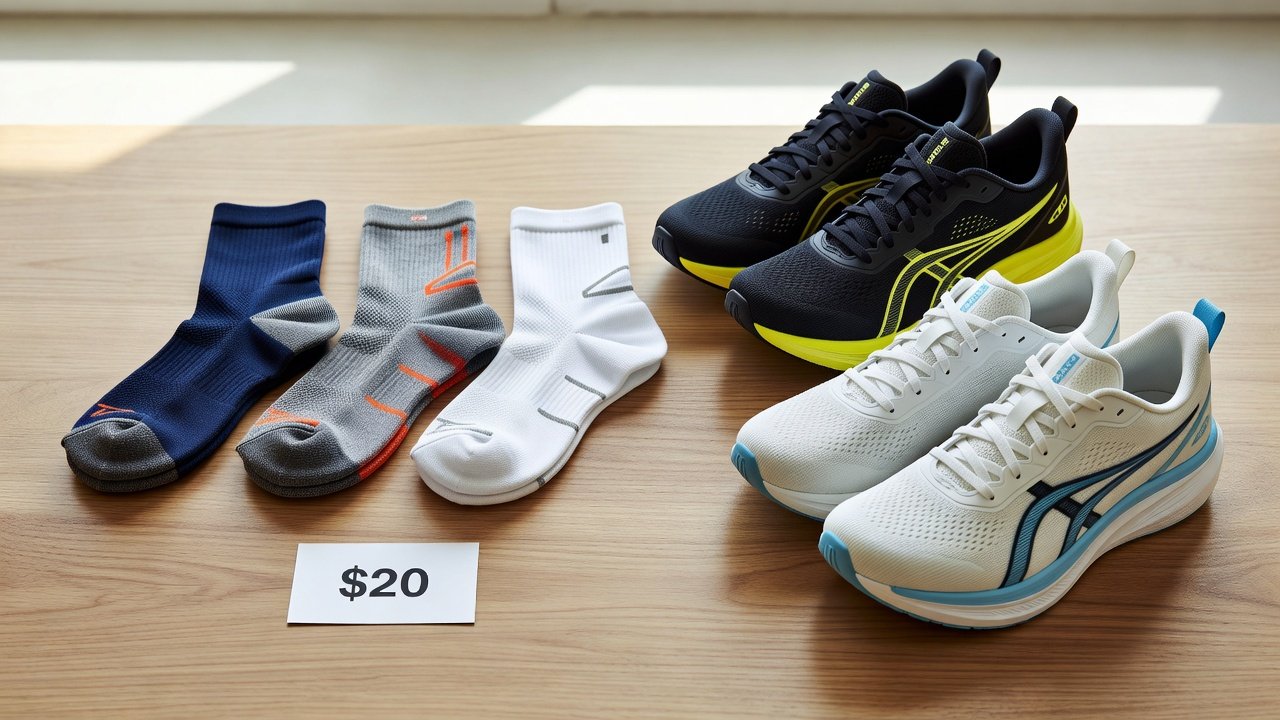
2026 Running Socks Reviews: Blister Prevention & Comfort Tests
Intermediate runners understand that socks represent one of the most overlooked yet impactful pieces of running gear. While shoes often receive the spotlight, the right pair of running socks can dramatically reduce blister risk, improve moisture management, and enhance overall comfort during training and races. This comprehensive 2026 review examines leading sock models through rigorous lab testing for durability and real-world feedback from runners logging high weekly mileage in both hot and cold conditions.
Why Quality Running Socks Are Essential Gear
Blisters form primarily due to friction combined with moisture and heat buildup. Poorly constructed socks contribute to these issues by shifting inside shoes or failing to wick sweat effectively. Advanced running socks incorporate targeted cushioning zones that absorb impact at the heel and forefoot while maintaining a smooth interface against the skin. Runners preparing for distances from 10K to ultra marathons consistently report fewer interruptions when they select socks designed specifically for performance rather than generic athletic options.
Testing in 2026 emphasized multiple factors including fabric breathability, seam construction, arch compression, and long-term shape retention after dozens of wash cycles. These elements directly influence how socks perform during extended efforts when foot swelling becomes a factor.
Core Features Evaluated in Lab and Field Tests
Moisture-wicking performance was measured using standardized absorption and drying time protocols. Cushioning density was assessed at key pressure points to verify protection without adding bulk that could cause tightness. Blister prevention relied on both seam smoothness tests and feedback from runners who tracked hot spots over repeated long runs. Durability evaluations included abrasion resistance and elasticity retention after simulated 500-mile usage.
Detailed Brand Comparisons: Darn Tough, Balega, and Bombas
Darn Tough socks stood out for their seamless toe construction and Vermont-sourced merino wool blends that excelled in both temperature regulation and odor control. Runners noted exceptional blister resistance even on wet trail runs exceeding 20 miles. Balega models offered plush yet responsive cushioning that performed well during speedwork, with hidden tab designs preventing slippage. Balega earned praise for consistent arch support that reduced fatigue on pavement. Bombas performance socks incorporated reinforced heels and proprietary odor-fighting technology that maintained freshness through multiple sweaty sessions; Bombas options proved particularly popular among runners seeking everyday training versatility.
Real-runner panels provided qualitative data across varied climates. One group testing in humid summer conditions highlighted faster drying times in synthetic-heavy models, while cold-weather testers appreciated the loft and insulation of merino options that prevented numbness without overheating.
Performance Across Hot and Cold Weather Conditions
Hot-weather testing revealed that highly breathable synthetics reduced sweat accumulation and subsequent blister formation during midday runs above 80°F. In contrast, merino blends provided superior temperature regulation in variable spring conditions, keeping feet drier overall. Cold-weather evaluations at temperatures near freezing demonstrated that thicker cushioning layers maintained warmth during early morning outings while still allowing moisture escape to avoid clamminess inside waterproof shoes.
Optimizing Sock and Shoe Pairings for Best Results
Proper pairing begins with understanding how sock thickness affects fit. Thicker cushioned socks may necessitate a half-size increase in certain shoe models to accommodate foot expansion during long efforts. Runners should perform short test runs with new combinations to identify any heel slippage or pressure points. Examples include pairing lightweight Balega socks with racing flats for shorter events while reserving Darn Tough cushioned models for marathon training in stability shoes.
Cost-per-Wear Considerations for Smart Purchases
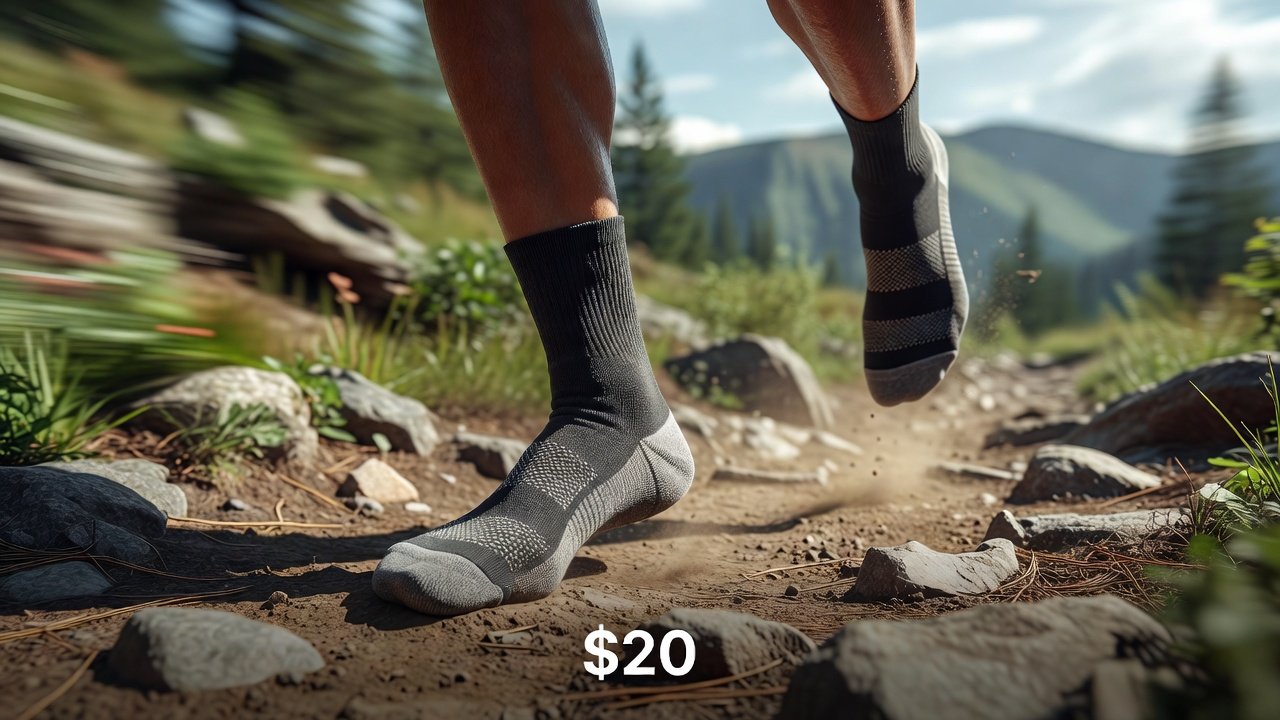
Many high-performing running socks remain available in the affordable range under $20 as of October 2026. Calculating cost-per-wear involves dividing purchase price by expected mileage. A durable pair lasting 300 miles or more often delivers better value than cheaper alternatives requiring frequent replacement. Runners building a rotation of three to four pairs can further extend longevity through proper rotation and care.
Comprehensive Step-by-Step Care Instructions
Following these guidelines helps maximize sock lifespan and performance:
- Turn each pair inside out prior to washing to protect exterior cushioning and reduce pilling on contact surfaces.
- Select cold-water cycles with mild, enzyme-free detergent to preserve wicking fibers and elastic components.
- Avoid fabric softeners and bleach, which can degrade moisture-management treatments and cause stiffness.
- Air-dry flat away from direct heat sources to retain original shape and prevent shrinkage in wool-blend models.
- Inspect for thinning areas or seam wear every 10-15 washes and retire pairs showing significant compression loss.
- Store clean socks in a dry, ventilated space to minimize odor retention between uses.
Buying Tips, Size Charts, and Selection Guidance
Measure your foot length in the evening when swelling peaks. Most brands provide size charts correlating foot length in inches or centimeters to sock sizes. For instance, a foot measuring 10.5 inches typically aligns with medium sizes, but always cross-reference with brand-specific guidance for wide or narrow fits. Consider your primary running surfaces: trail runners may prefer extra ankle coverage, while road runners benefit from low-profile designs. Practical examples include selecting Bombas for daily training volume and reserving Balega for race-day speed.
FAQ Addressing Odor, Fit Issues, and Durability
How can runners effectively control sock odor?
Merino wool offers natural antimicrobial properties. Rotate at least three pairs, wash promptly after use, and consider UV exposure during air drying for additional freshness.
Do running socks truly prevent blisters on long distances?
Targeted padding and smooth seams significantly reduce friction. Combine with proper shoe fit and optional anti-chafe balms for maximum protection during efforts over 90 minutes.
What size adjustments are needed when feet swell during runs?
Opt for the upper end of recommended sizing and test thoroughly. Many models include stretch zones that accommodate 5-10% expansion without bagging.
Are there differences between men's and women's specific socks?
Women's versions often feature narrower heel cups and adjusted arch placement. Men should select accordingly rather than defaulting to unisex if fit feels off.
How long should quality running socks last?
With proper care, premium pairs maintain performance for 200-400 miles depending on terrain and frequency of use.
Conclusion
Selecting the right running socks completes an effective gear strategy for intermediate runners focused on comfort and injury prevention. Prioritize moisture-wicking construction, strategic cushioning, and verified blister resistance when evaluating options from established brands. Incorporate these insights into your next gear refresh to experience smoother, more enjoyable training throughout 2026.
No comments yet. Be the first!