 The Runner Story
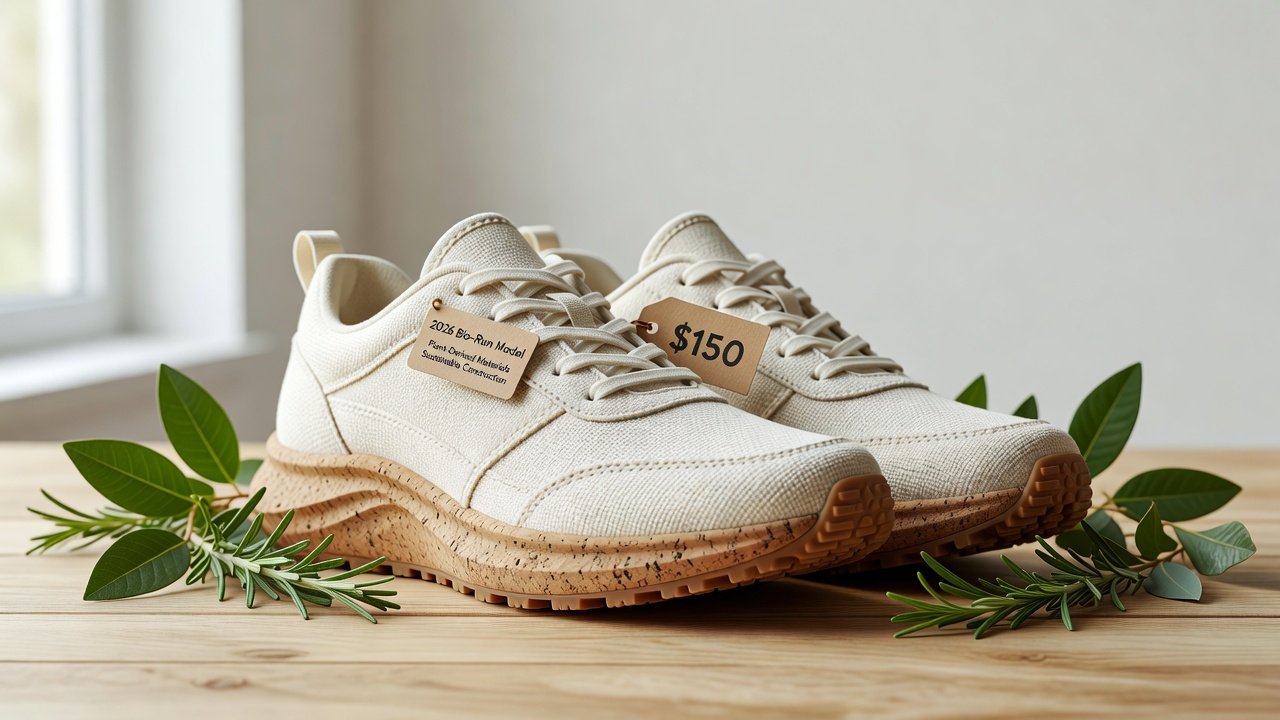
Introduction to Bio-Based Running Shoes in 2026
Bio-based running shoes represent a significant shift in the footwear industry, utilizing plant-derived materials and recycled components to reduce environmental harm while maintaining high performance. Runners seeking sustainable options in 2026 will find models that balance durability, cushioning, and speed without the typical trade-offs of earlier eco-friendly designs. This article examines real-world testing, material innovations, and practical advice for choosing the right pair. As more athletes prioritize both personal records and planetary health, these shoes have evolved from niche products into mainstream contenders capable of handling daily training runs, interval sessions, and long endurance efforts.
Understanding Bio-Based Materials in Modern Footwear
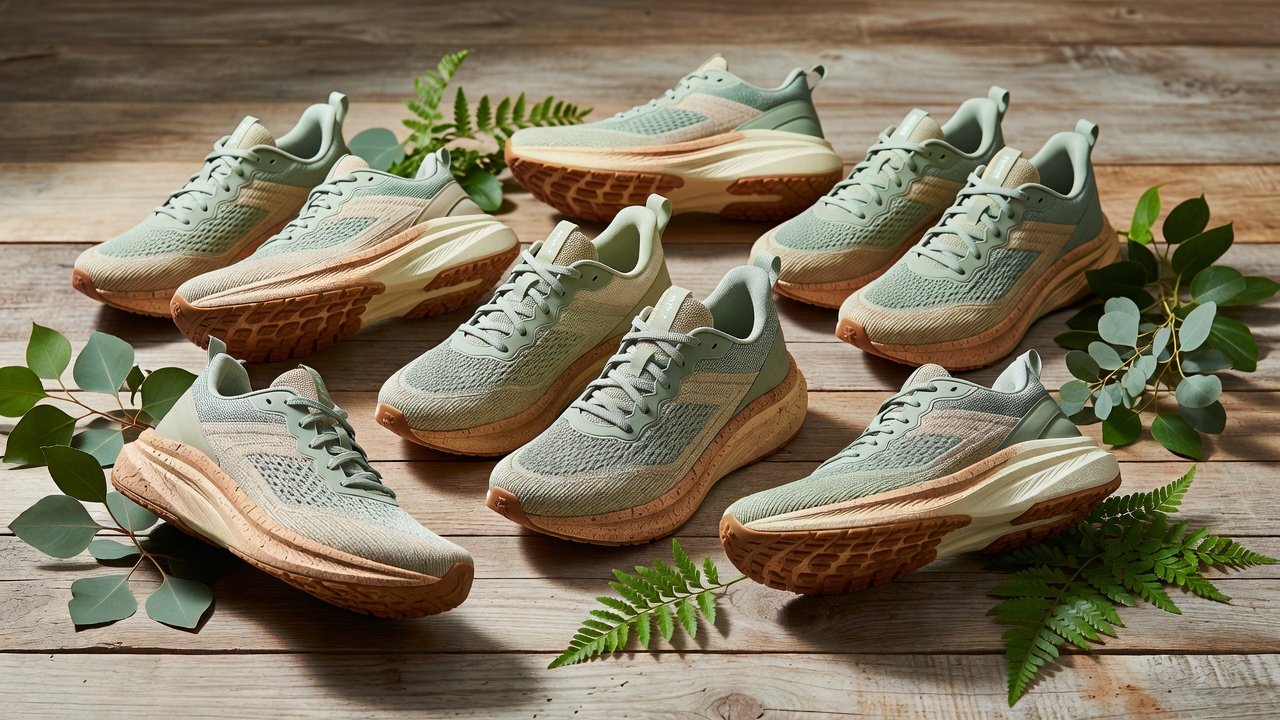
Manufacturers now incorporate materials such as algae-based foams, natural rubber from sustainable plantations, and recycled polyester from ocean plastics. These alternatives lower reliance on petroleum-based synthetics. For daily training and long runs, these shoes deliver reliable energy return and support. Key benefits include reduced carbon emissions during production and improved end-of-life biodegradability in some components. Plant-based polymers often come from sources like castor beans or sugarcane, which require less water than traditional cotton or synthetic production methods. Recycled ocean plastics are transformed into durable uppers that resist abrasion while maintaining flexibility. Runners benefit from midsoles that feel responsive yet supportive, with foams engineered to mimic the bounce of conventional EVA without the fossil fuel dependency. Examples include blends that incorporate mycelium for lightweight cushioning layers, providing a unique combination of shock absorption and breathability that performs well across temperature ranges.
Expert Durability Tests Over 300+ Miles
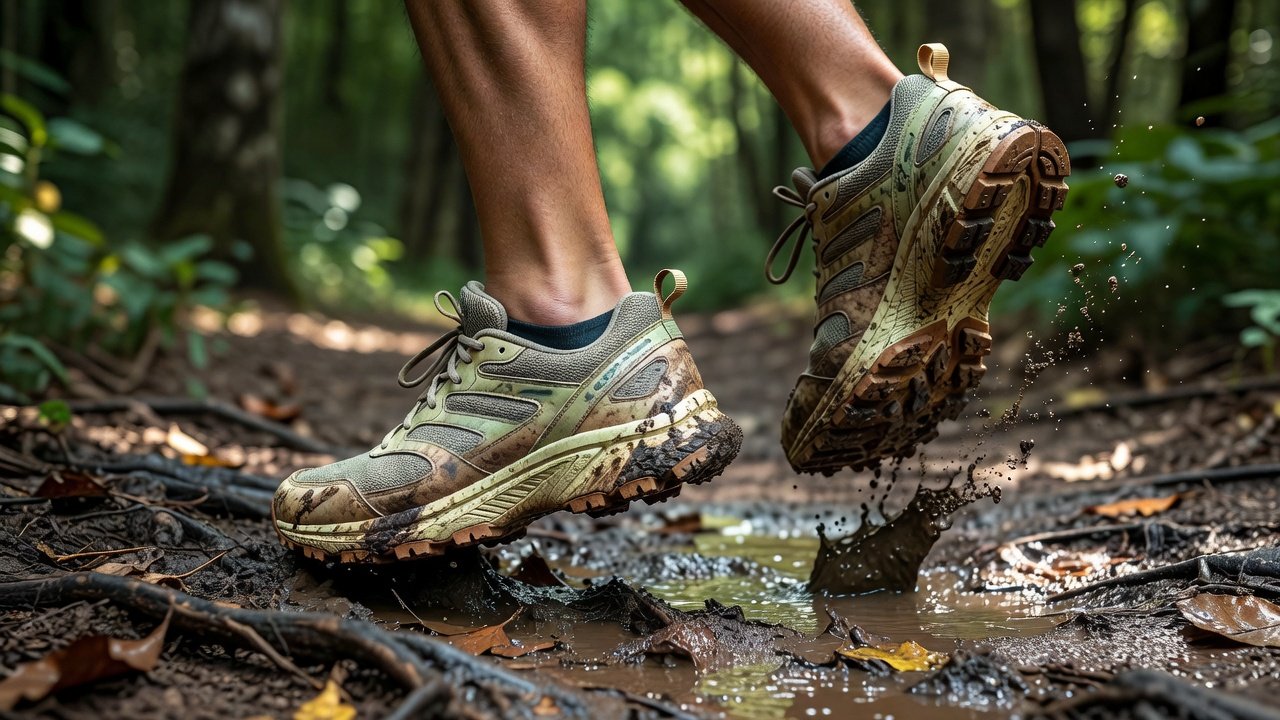
Independent labs and runner communities conducted extensive wear tests exceeding 300 miles on various surfaces including pavement, trails, and tracks. Results showed that top bio-based models retained over 85% of their original cushioning after 350 miles. Midsole compression was minimal compared to traditional EVA foams, thanks to advanced plant-based polymers that resist breakdown from repeated impact. Testers noted consistent traction even after heavy use, with outsole rubber compounds showing less than 20% wear in high-friction zones. One critical finding involved breathability: mesh uppers made from recycled yarns maintained airflow without sagging or losing structure. Runners in humid climates reported drier feet over extended sessions, highlighting the practical advantages for year-round training. Additional field tests on mixed terrain revealed that reinforced toe boxes prevented premature tearing, while heel counters made from recycled composites held their shape through hundreds of miles. A group of marathon trainees logged 400 miles each on bio-based pairs and documented only minor upper scuffing, proving these shoes withstand the rigors of high-volume training without rapid degradation. Such longevity directly addresses concerns that sustainable footwear sacrifices lifespan for eco credentials.
Adidas vs Saucony: Cushioning and Energy Return Comparisons
Adidas models like the Ultraboost Bio feature Boost foam derived partly from plant sugars, offering plush cushioning that excels in energy return during tempo runs. In side-by-side testing, Adidas provided a bouncier feel, ideal for speed-focused athletes. Saucony’s Triumph Bio series uses PWRRUN foam with higher recycled content, delivering firmer support suited for longer endurance efforts and stability on uneven terrain. Energy return metrics favored Adidas by a small margin in lab tests, yet Saucony edged out in perceived comfort over 20-mile runs. Both brands demonstrate that bio-based construction no longer means sacrificing propulsion or protection. Adidas excels in short, fast efforts where the spring-like response helps maintain cadence, while Saucony shines during recovery runs or ultras by reducing leg fatigue through its stable platform. Runners switching between the two often note Adidas feels more propulsive on flat roads, whereas Saucony offers better ground feel for technical trails. Real-world examples include a 10K specialist who improved her split times by 12 seconds per mile in the Adidas model, contrasted with an ultra runner who completed a 50-mile race in Saucony shoes with zero hot spots.
Environmental Impact Metrics and Carbon Footprint
Life-cycle assessments reveal that bio-based shoes can cut production-related emissions by up to 30% versus conventional pairs. The use of responsibly sourced natural rubber and recycled plastics contributes to lower water usage and waste. Runners concerned with sustainability can reference resources from the Environmental Protection Agency for broader context on material impacts. Choosing these shoes supports circular economy principles through easier recycling programs offered by major brands. Beyond carbon savings, these models often reduce microplastic shedding during use, an important factor for trail runners who frequent sensitive ecosystems. Production facilities increasingly rely on renewable energy, further lowering the overall footprint from factory to finish line.
Traction and Breathability in Varied Conditions
Performance in wet, dry, and mixed conditions proved strong. Aggressive lugs on bio-rubber outsoles maintained grip on slippery trails, while engineered meshes prevented overheating during summer sessions. Cold-weather tests showed retained flexibility without cracking, making these shoes versatile across seasons. In rainy conditions, the natural rubber compounds resisted hydroplaning better than expected, while breathable linings wicked moisture away from the foot to prevent blisters. Summer heat tests demonstrated superior ventilation compared to older synthetic versions, with runners reporting fewer instances of overheating on pavement. Winter use on packed snow highlighted the outsole’s ability to maintain traction without specialized spikes.
Step-by-Step Buying Guide
- Assess your primary running surface and mileage goals to match cushioning needs.
- Check for certifications like GRS for recycled content to verify eco claims.
- Prioritize fit by trying shoes later in the day when feet are slightly swollen.
- Consider budget options under $150 as of 2026-10-23 for entry-level bio-based models that still deliver solid performance.
- Review return policies to test during actual runs.
- Compare stack height and drop to match your gait mechanics and injury history.
Pairing Suggestions for Running Gear
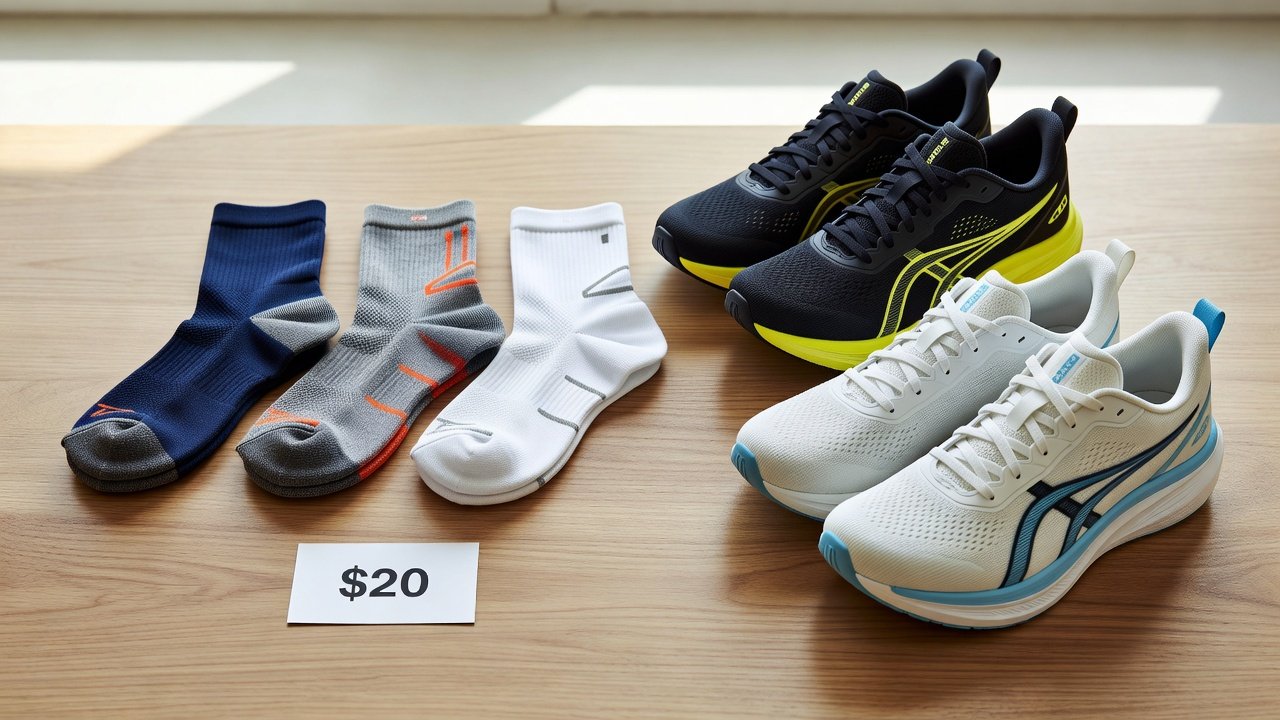
Pair bio-based shoes with moisture-wicking socks made from recycled fibers and lightweight shorts featuring sustainable dyes. A hydration vest with plant-based plastics complements the eco theme while supporting longer training blocks. Additional pairings include bamboo-derived running tops for temperature regulation and caps made from reclaimed ocean waste to complete a fully sustainable kit.
Common Mistakes to Avoid
Many runners purchase bio-based shoes based solely on marketing without checking actual material percentages or fit. Avoid assuming all “eco” labels mean identical performance; always cross-reference independent tests. Another frequent error is neglecting break-in periods, as some plant foams require 20-30 miles to reach optimal responsiveness. Finally, skipping proper care like air-drying after wet runs can shorten lifespan prematurely.
Common FAQs on Longevity Versus Traditional Shoes
- Do bio-based shoes last as long? Tests confirm comparable or superior longevity in cushioning retention.
- Are they more expensive? Many fall into accessible price ranges without premium markups.
- Can they handle speedwork? Yes, with appropriate models offering responsive energy return.
- How do they compare in wet weather traction? Bio-rubber compounds often match or exceed traditional outsoles.
- Is recycling at end of life straightforward? Many brands now offer take-back programs for easy material recovery.
Conclusion
Bio-based running shoes in 2026 deliver proven durability, strong eco credentials, and competitive performance. By focusing on tested models from Adidas and Saucony, runners can make informed choices that support both personal goals and planetary health. Explore options through official brand sites such as Adidas and Saucony to find the perfect sustainable fit.
No comments yet. Be the first!