 The Runner Story
Why Choosing the Right Beginner Running Shoes Matters in 2026
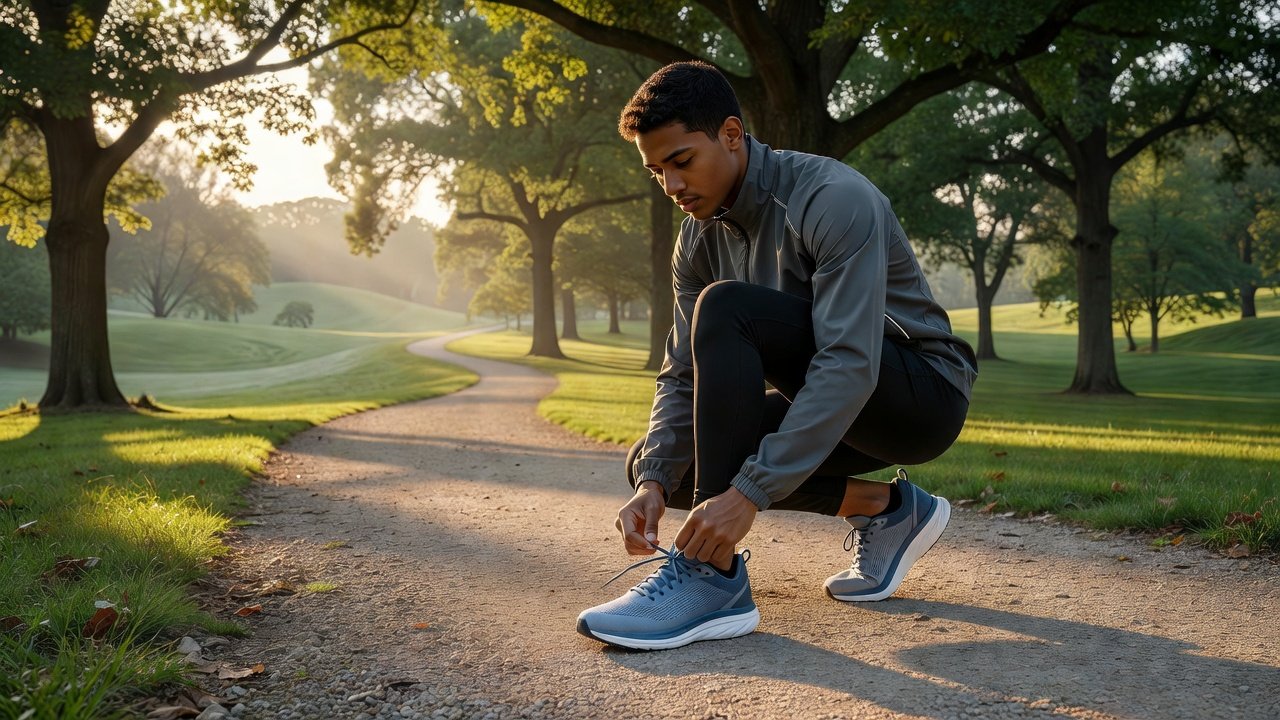
Starting a running habit is one of the most rewarding decisions you can make for your health. The correct pair of beginner running shoes provides the foundation for comfort, injury prevention, and long-term consistency. Poor footwear often leads to blisters, shin splints, or knee discomfort that can derail motivation early. This guide focuses on practical factors such as cushioning levels, breathability, and support specifically tailored for novices who are building their first consistent routine. When you select shoes that match your body mechanics and goals, you reduce the risk of early setbacks and increase the likelihood of enjoying runs for years to come. Many new runners underestimate how much the right pair can influence daily motivation and recovery speed.
Key Factors to Consider When Buying Your First Pair
Cushioning helps absorb impact on roads and paths. Beginners typically benefit from moderate to high cushioning to reduce joint stress during initial miles. This cushioning comes in different forms, including responsive foam midsoles that return energy with each step and thicker heel stacks that protect against hard surfaces. Breathability prevents overheating and moisture buildup, which is essential during longer sessions or warmer weather. Look for engineered mesh uppers that allow airflow while maintaining structure. Support addresses natural foot mechanics, whether you need neutral shoes or mild stability features to control overpronation. Fit is equally important. Always try shoes in the late afternoon when feet are slightly swollen, and leave about a thumb's width of space at the toe box. Consider your typical running surface as well, since road shoes differ from those designed for light trails in terms of outsole grip and durability.
Understanding Cushioning Levels in Detail
Entry-level runners often start with shoes offering balanced cushioning that feels protective yet not overly soft. Too little cushioning can transmit shock directly to your joints, while excessive softness may reduce stability on longer efforts. Test how the shoe responds during a short walk in the store to gauge immediate comfort.
Evaluating Breathability and Upper Materials
Breathable designs use lightweight synthetic materials that wick sweat away from the foot. In humid climates, this feature becomes critical to prevent discomfort and odor buildup over time.
How to Assess Your Foot Type at Home
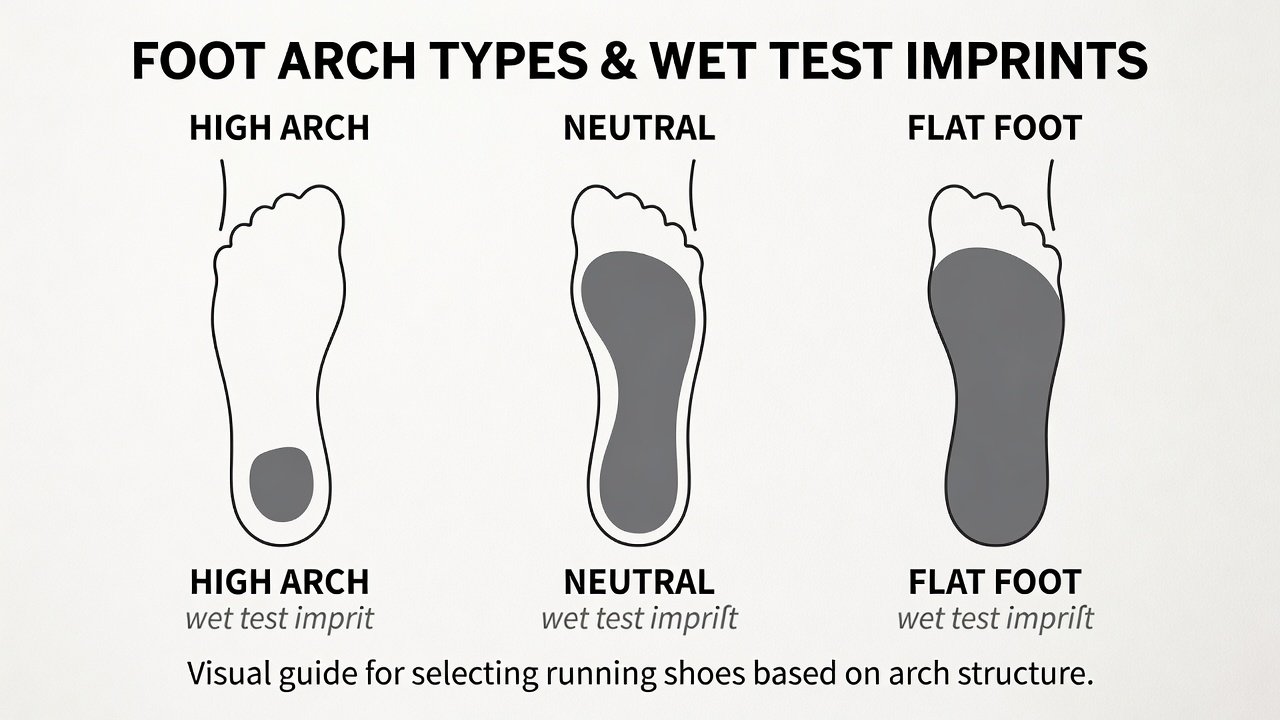
Understanding your arch type helps narrow options. The wet test is simple: wet your foot and step on paper. A full imprint indicates low arches (overpronation), a curved imprint shows high arches (supination), and a moderate curve points to neutral feet. This quick method gives reliable direction before visiting a store. You can also observe wear patterns on old shoes or perform a simple flexibility check by trying to insert fingers under your arch while standing. These at-home assessments are not perfect substitutes for professional gait analysis but provide a strong starting point for most beginners. Many runners discover that their foot type influences not only shoe choice but also how they should approach strength training for the lower legs.
Comparing Entry-Level Running Shoe Models
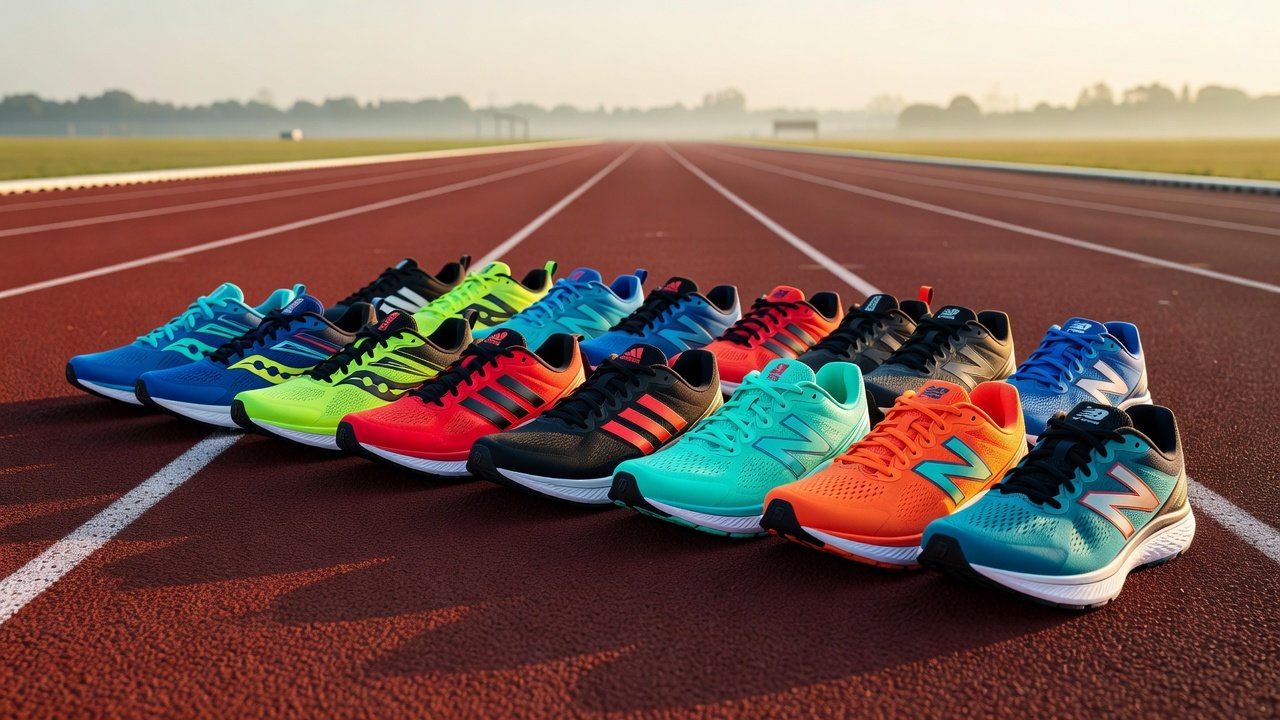
Entry-level options generally prioritize durability and comfort over advanced racing features. Look for models with balanced cushioning that transition well from walking to jogging. Compare stack height, weight, and upper materials to match your typical running surface and climate. Neutral models suit most new runners with healthy biomechanics, while stability versions add medial posts for those who roll inward excessively. Reading user reviews from runners with similar foot shapes and mileage goals can reveal real-world performance details that specs alone cannot convey. Focus on models known for wide availability in specialty running stores where staff can offer fitting advice.
Practical Buying Checklist for Beginners
- Measure both feet and select size based on the larger one
- Prioritize cushioning suited to your weekly mileage goals
- Check breathability ratings for your local weather
- Ensure adequate heel counter stability without feeling restrictive
- Test for immediate comfort—no break-in pain required
- Verify return policies in case of fit issues
- Consider trying multiple brands to compare fit variations
- Walk and jog briefly in the store to assess overall feel
Pairing Shoes with Essential Accessories Like Socks
Quality running socks reduce friction and manage moisture. Choose seamless, moisture-wicking designs that reach above the ankle to prevent chafing. Avoid cotton socks, which retain sweat and increase blister risk. Additional accessories such as moisture-wicking apparel and a basic GPS watch can further support your early training. Proper socks work in tandem with your shoes to create a blister-free environment, especially during the first few longer runs when feet are still adapting.
Real-User Examples of Common Pitfalls
Many new runners buy shoes based solely on brand popularity rather than fit, leading to discomfort within the first week. Others skip proper sizing and end up with cramped toes that cause black toenails. One runner shared how ignoring arch support resulted in persistent plantar fasciitis until switching to a stability model. Another learned the hard way that wearing new shoes on a long first run caused excessive soreness—always break them in gradually. A third example involves purchasing shoes online without trying them on, resulting in repeated returns and lost motivation. These stories highlight the value of in-person fitting and gradual adaptation.
Building Consistent Running Habits After Purchase
Once you have the right shoes, focus on establishing a routine that includes rest days, cross-training, and listening to your body. Start with a mix of walking and running intervals to build endurance safely. Track how your shoes feel after each session and note any hot spots that might indicate future problems.
Short FAQ: Breaking In Your New Running Shoes
How long does the break-in period last? Most modern running shoes require minimal break-in, but start with short walks or 2-3 mile runs over the first week.
Should I rotate between two pairs? Rotating shoes can extend lifespan and allow recovery between runs.
What if shoes feel stiff initially? Mild stiffness is normal; persistent discomfort indicates a poor match and warrants exchange.
How often should beginners replace shoes? Monitor for loss of cushioning or visible wear on the outsole, typically after several hundred miles of use.
Conclusion
Investing time in selecting beginner running shoes builds confidence and supports consistent habits. Use the foot assessment, checklist, and advice above to make an informed choice that keeps you moving forward in 2026 and beyond. Mayo Clinic offers additional guidance on foot health, while CDC physical activity resources highlight the benefits of regular running. For broader wellness information, consult World Health Organization physical activity guidelines and the American Heart Association recommendations on cardiovascular exercise.
No comments yet. Be the first!