 The Runner Story
Introduction to Running Shoe Repairs in 2026
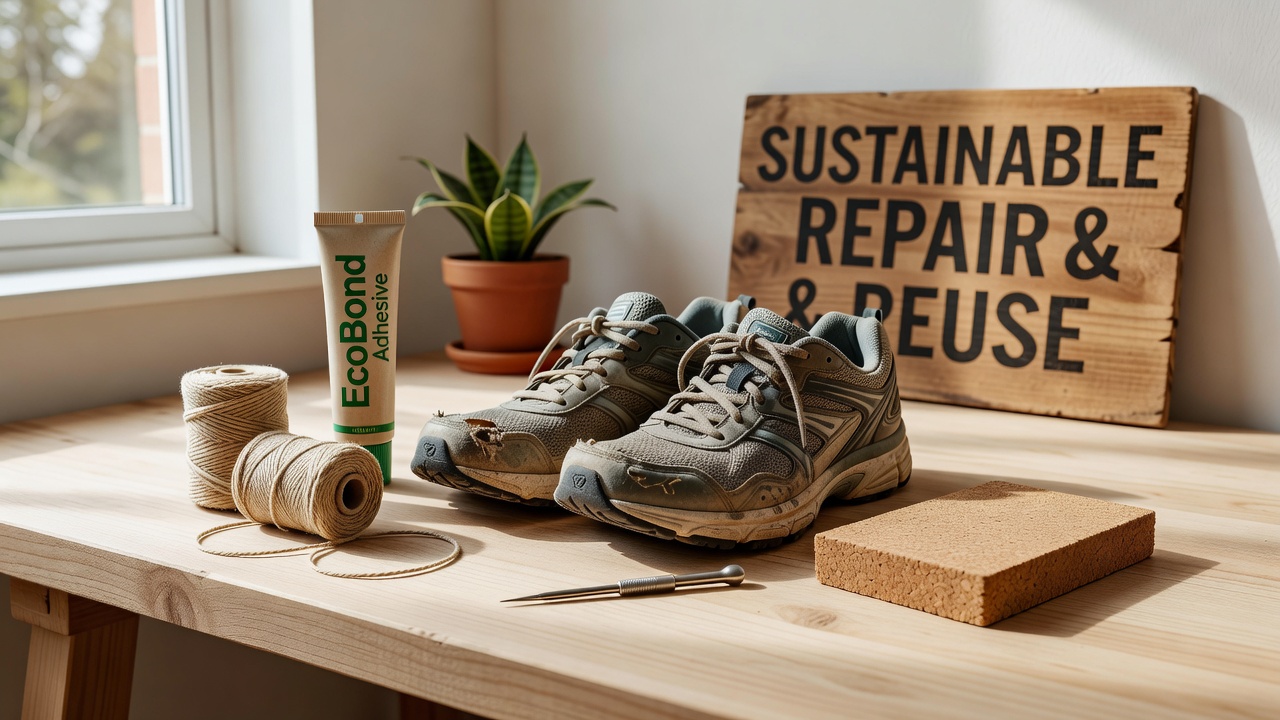
Running shoes endure significant wear from daily mileage, weather exposure, and varied terrains. In 2026, many runners seek sustainable alternatives to frequent replacements, focusing on repairs that maintain performance and reduce environmental impact. This guide covers essential tools, step-by-step fixes for common issues like sole detachment and upper tears, decision frameworks for repair versus replacement, and safety tips tailored to modern shoe constructions. By addressing these proactively, you can extend shoe life while embracing eco-conscious practices that align with growing awareness of textile waste in the athletic industry. Runners today face rising costs and supply chain considerations, making DIY maintenance a practical skill that also supports broader goals of reducing landfill contributions from discarded footwear.
Essential Tools and Materials for Shoe Repairs
Before starting any repair, gather reliable supplies suited to 2026 footwear materials such as recycled synthetics and advanced adhesives. Key items include a strong contact cement designed for rubber and fabric, a curved needle with heavy-duty thread, sandpaper for surface prep, and a utility knife. For eco-friendly options, look for water-based glues free of harsh solvents that still provide strong bonds on flexible surfaces. Additional tools like shoe trees help maintain shape during drying, and a heat gun assists with precise adhesive activation without overheating delicate uppers. These materials support durability without compromising the shoe's breathability or flexibility. Consider investing in a basic repair kit that includes reinforcing patches made from recycled fibers, which are increasingly available and compatible with modern knit and mesh constructions. Organize your workspace with good lighting and ventilation to ensure clean application. Many runners report success using kits that combine these basics, allowing quick interventions on the trail or at home. Always test adhesives on a small inconspicuous area first to avoid discoloration, and store materials in a cool, dry place to preserve their effectiveness over multiple uses.
Step-by-Step Guide to Fixing Sole Detachment
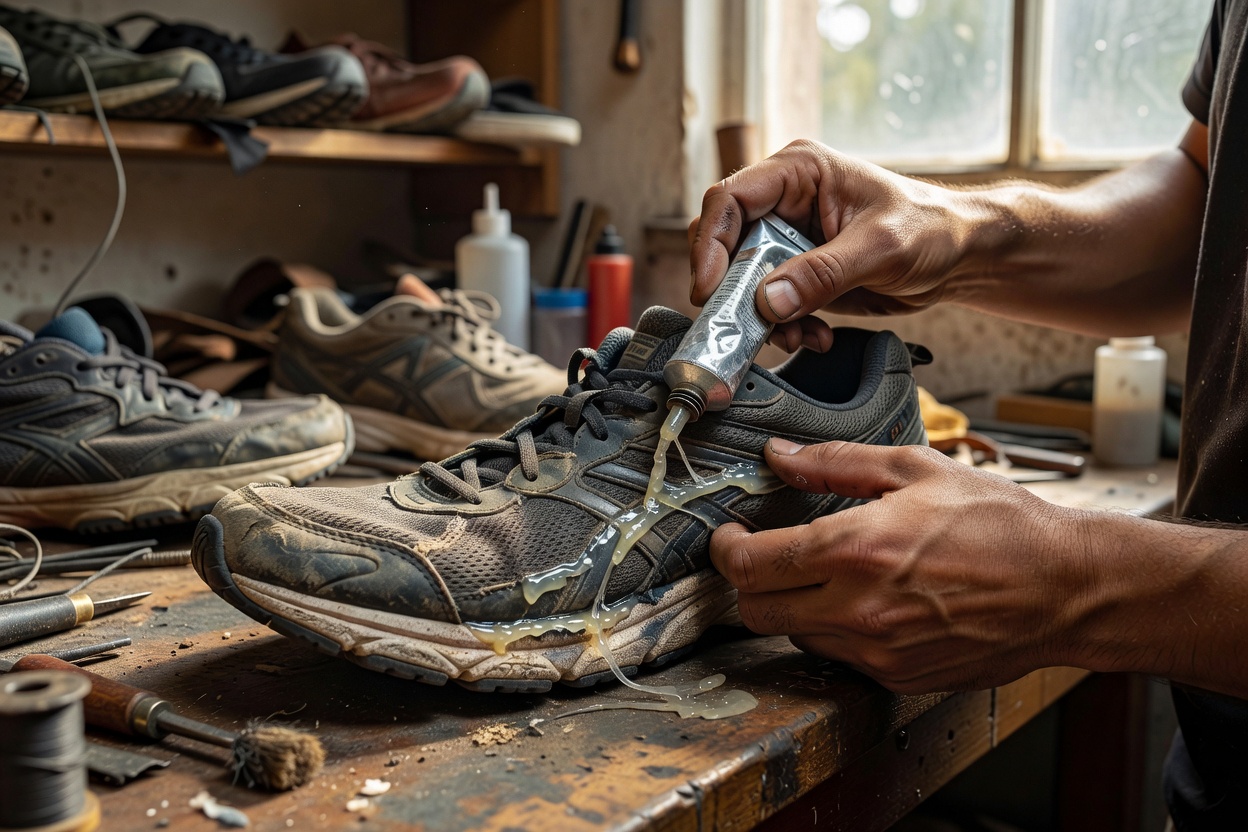
Sole separation remains one of the most frequent problems due to repeated flexing and moisture. Begin by cleaning both surfaces thoroughly with isopropyl alcohol to remove dirt and old adhesive residue. Lightly roughen the areas with sandpaper for better grip, then apply a thin layer of contact cement to each side and allow it to become tacky according to product instructions. Align the sole precisely and press firmly, using clamps or weights overnight for a secure bond. For enhanced strength in 2026 models with multi-layer outsoles, consider adding a thin reinforcing mesh strip along the edge before final pressing. Test the repair by walking before resuming runs, and monitor for any loosening over the first few sessions. If the shoe has a rockered sole design common in newer models, pay extra attention to the curvature during alignment to preserve natural gait mechanics. In cases of partial detachment, focus on the affected section first and allow full curing time before addressing the rest to prevent shifting.
Repairing Tears in the Upper
Upper tears often occur near the toe box or along flex points from abrasion or impacts. For small rips, use a zigzag stitch with nylon thread matched to the shoe color. Larger damages may require a patch of similar fabric secured with adhesive and stitching. Always work from the inside where possible to preserve aesthetics and prevent further fraying. Modern running shoes incorporate stretchable knits, so select flexible repair threads to avoid stiffness that could create pressure points during long runs. For mesh uppers, apply a thin backing layer of lightweight fabric before stitching to distribute tension evenly. This approach helps maintain the shoe's ventilation properties while adding strength.
Additional Repairs for Laces, Insoles, and Minor Components
Beyond major issues, runners frequently encounter problems with laces fraying or insoles compressing unevenly. Replace laces with durable, eco-certified alternatives made from recycled materials, threading them through eyelets carefully to avoid enlarging holes. For insoles, clean them regularly and use adhesive patches on worn spots to restore cushioning without full replacement. These smaller fixes contribute significantly to overall shoe longevity and comfort on varied surfaces.
Real-World Runner Experiences and Examples
One trail runner shared how repairing a detached sole on her favorite trail shoes allowed her to complete an additional 200 miles before retirement, highlighting the value for budget-conscious athletes training in remote areas. Another example involves a road runner who patched upper tears on daily trainers using household thread, noting improved longevity without performance loss during marathon preparations. A third runner described reinforcing the midsole edges on ultra-distance shoes after noticing early wear, enabling completion of a 100-mile event without new purchases. These stories underscore that timely repairs often outperform waiting for full failure, especially when combined with regular inspections.
Comparing Repair Versus Replacement Decisions
Evaluate shoes based on overall condition, mileage logged, and intended use. If the midsole retains cushioning and only isolated issues exist, repair makes sense for sustainability. However, when multiple components fail or structural integrity is compromised, replacement ensures safety. Consider factors like your running volume and terrain to decide wisely. Pros of repair include lower immediate costs and reduced waste, while replacement offers guaranteed performance features in the latest models. Use a simple checklist: assess cushioning by pressing the midsole, check for excessive pronation signs, and weigh personal attachment to the pair before finalizing.
Safety Considerations for Different Shoe Constructions
Always inspect for internal damage after repairs, as hidden issues in the midsole can affect stability. Avoid over-tightening stitches on lightweight racing flats to prevent tears elsewhere. For shoes with carbon plates common in 2026, exercise extra caution around energy-return elements during any adhesive work. Proper repairs maintain intended support levels, reducing injury risk during runs on both road and trail surfaces. Runners with specific foot conditions should consult a professional if repairs alter fit noticeably.
Maintenance and Prevention Strategies
After completing repairs, rotate shoes regularly and clean them after wet runs to prevent future issues. Store pairs in a temperature-controlled environment and avoid direct sunlight that can degrade adhesives. These habits complement repairs by addressing root causes like moisture buildup and uneven wear patterns.
FAQ on Running Shoe Repairs
- How long do repairs typically last? Well-executed fixes can add 100-300 miles depending on usage and materials.
- Are eco-friendly adhesives as effective? Yes, many 2026 formulations match traditional strength while lowering environmental harm.
- Can I repair waterproof membranes? Specialized tapes work best; standard glues may not restore full protection.
- What if the repair affects fit? Test thoroughly and adjust lacing techniques as needed.
- Should I repair shoes used for racing? Only minor fixes are recommended; major issues warrant replacement for optimal performance.
- How do I dispose of old repaired shoes responsibly? Many communities offer textile recycling programs that accept athletic footwear.
Conclusion
Mastering running shoe repairs empowers runners to practice sustainability and thrift in 2026. With the right approach, common issues become manageable, letting you focus on the miles ahead rather than constant purchases. Start small, prioritize safety, and enjoy extended gear life through these practical methods. For broader environmental insights, explore resources from the EPA, UN Environment Programme, and World Health Organization.
No comments yet. Be the first!