 The Runner Story

Why Stability Running Shoes Matter in 2026
Runners who overpronate often experience knee, hip or ankle discomfort because their feet roll inward excessively during each stride. Stability shoes counteract this motion with targeted support structures, helping prevent common injuries while maintaining comfort on long runs. This guide examines the leading options for 2026, focusing on models from Asics, Brooks, Saucony and New Balance that deliver reliable performance for daily training and racing. Overpronation affects a significant portion of runners, leading to issues like plantar fasciitis or IT band syndrome when left unaddressed. Choosing the right stability shoe can transform your running experience by providing consistent alignment and reducing fatigue over miles.
Understanding Stability Features
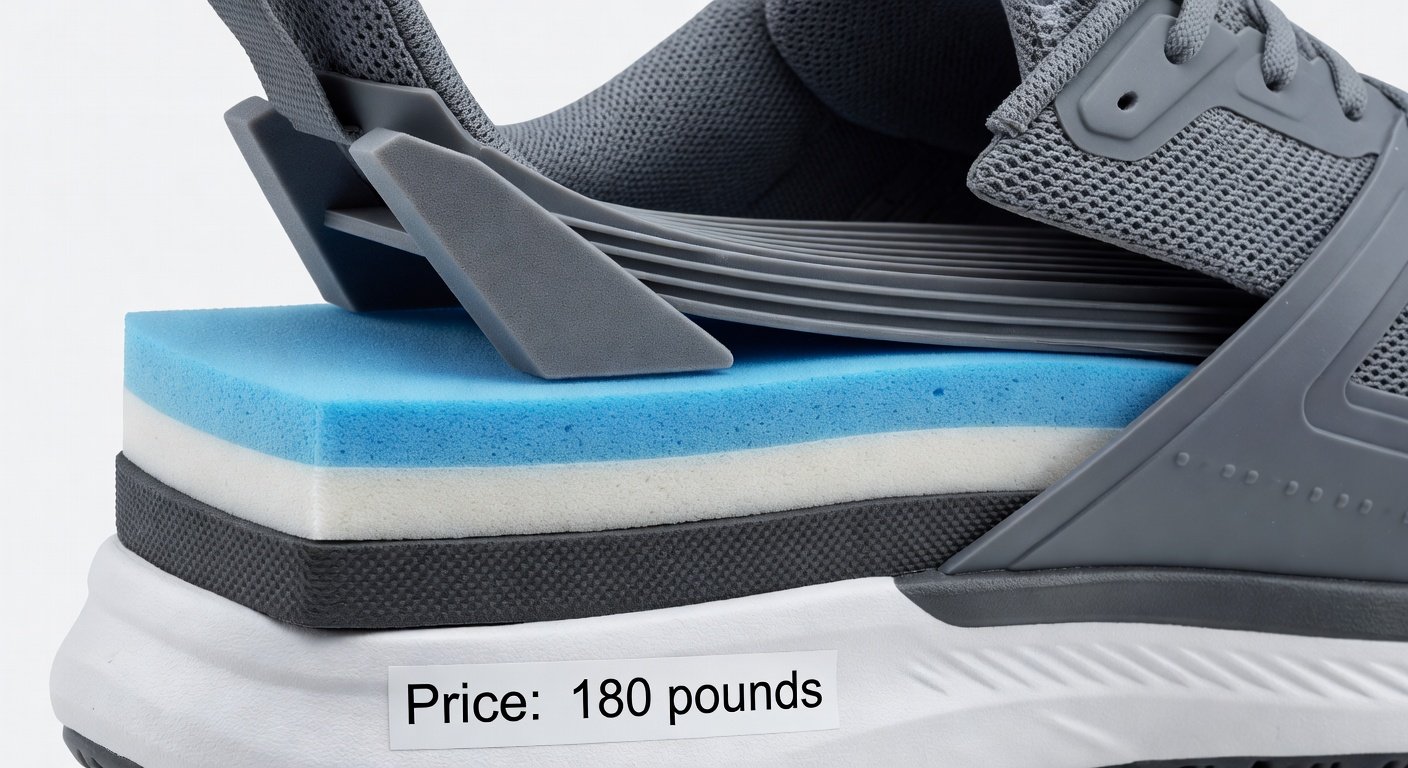
Modern stability shoes rely on medial posts, guide rails or dual-density foams to control pronation. A medial post is a firmer foam wedge on the inner side of the midsole that resists inward rolling. Guide rails, popularized by certain brands, use subtle sidewalls that activate only when the foot moves out of alignment, offering a smoother ride than traditional posts. Cushioning levels range from responsive to plush, allowing runners to match the shoe to their mileage and surface preferences. Technologies have evolved to include adaptive foams that respond to impact forces in real time, providing both support and energy return. Real-world wear tests show these features maintain effectiveness after 300–500 miles, though durability varies by runner weight and terrain. Runners weighing over 180 pounds typically notice faster compression in softer foams, making firmer options preferable for longevity.
How to Determine if You Need Stability Shoes
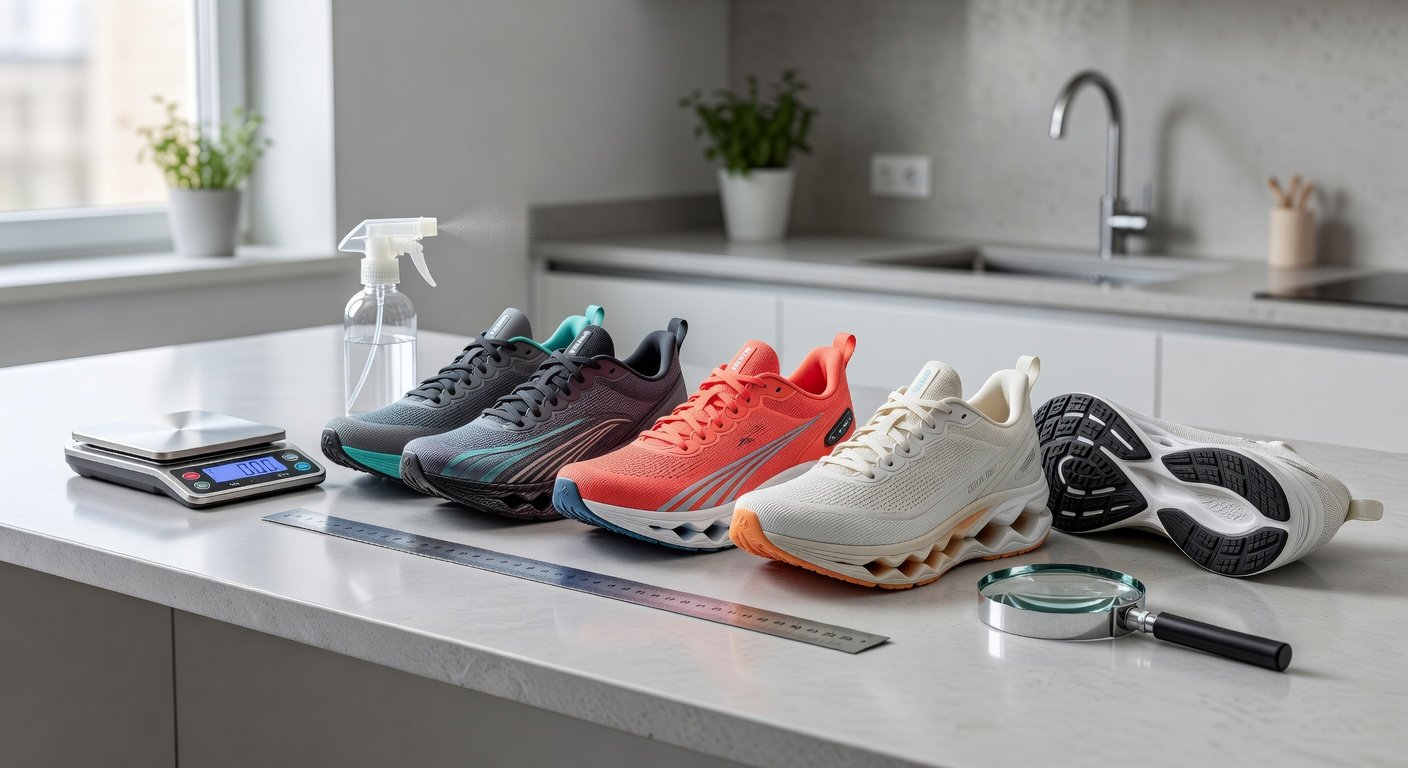
Before investing in stability footwear, assess your gait. Visit a running specialty store for a professional analysis, or perform a simple wet test at home by stepping on a dark surface to observe your footprint. If the arch area shows minimal imprint and the foot rolls inward, stability support is likely beneficial. Examples include runners who notice uneven wear on the inner edges of their current shoes or experience recurring lower leg pain during longer efforts. Tracking your runs with a basic app can also reveal patterns in stride that indicate overpronation.
Top Stability Shoe Reviews for 2026
Asics Gel-Kayano 31
The Asics Gel-Kayano 31 continues to set the benchmark with its 4D Guidance System that adapts to each stride. The shoe combines a medial post with rearfoot GEL cushioning for smooth transitions. Runners praise its breathable engineered mesh upper and stable platform on long runs. In extended testing, the shoe excelled during marathon training blocks where consistent support helped maintain form late in workouts. Pros include excellent durability and consistent support across varied surfaces; cons are a slightly higher weight compared to lighter daily trainers, which some speed-focused athletes find noticeable during intervals.
Brooks Adrenaline GTS 24
Brooks updated the Adrenaline GTS 24 with refined GuideRails that provide holistic support without feeling intrusive. The shoe features DNA Loft v3 cushioning that balances softness and responsiveness. Testers report reduced fatigue on tempo runs and good traction on wet pavement. This model suits runners who alternate between road and light trails, offering versatility that many stability shoes lack. Its upper construction includes strategic overlays that enhance lockdown without pressure points.
Saucony Guide 17
The Saucony Guide 17 introduces a lighter PWRRUN foam midsole paired with a subtle medial post. Its engineered mesh upper improves ventilation while the outsole delivers reliable grip. Runners with moderate overpronation appreciate the smooth ride and quick turnover. Some note the fit runs slightly narrow in the toebox, suggesting a half-size up for wider feet. The shoe performs particularly well in humid conditions due to its moisture-wicking properties.
New Balance Fresh Foam X 860v14
New Balance refined the Fresh Foam X 860v14 with an updated medial post and Fresh Foam X cushioning for plush yet stable landings. The shoe offers a wide fit option ideal for runners with broader feet. Wear tests highlight strong arch support and good energy return during speed sessions. Athletes who log high weekly mileage value its ability to absorb repetitive impact while keeping the foot aligned.
Head-to-Head Comparison and Real-World Insights
When comparing these models side by side, key differences emerge in weight, cushioning firmness and support placement. The Asics model offers the most pronounced medial posting for severe overpronators, while the Saucony provides a lighter, more agile feel suitable for faster efforts. Brooks and New Balance strike a middle ground that appeals to a broader audience. Real-world wear tests conducted over several months revealed that all four maintained structural integrity well beyond 400 miles when rotated properly. Runners in wet climates preferred the Saucony and Brooks for superior outsole traction, whereas those training on roads favored the Asics for its plush rearfoot feel.
Fit Tips and Sizing Advice
Always try stability shoes in the afternoon when feet are slightly swollen. Leave a thumb's width of space in the toebox and ensure the heel counter locks the foot without slipping. If you have high arches, consider models with removable insoles so you can add custom orthotics. Runners transitioning from neutral shoes should start with shorter runs to allow the body to adapt to the new support structure. Consider sock thickness as well—thicker cushioned socks can alter the fit and may require adjusting lacing techniques for optimal security.
Buyer's Checklist
- Identify your pronation type via a gait analysis at a specialty running store
- Match cushioning level to your weekly mileage and typical surfaces
- Check for wide or narrow width options if needed for all-day comfort
- Compare outsole durability for your primary running surface
- Review return policies before purchasing online
- Plan to replace shoes every 300–500 miles based on wear patterns
- Test the shoe on a short run before committing to long-distance use
Common Mistakes to Avoid
- Selecting a shoe based solely on brand reputation without trying it on
- Ignoring width options and ending up with pressure points
- Overlooking the break-in period and jumping straight into long runs
- Failing to rotate pairs, which shortens overall shoe lifespan
FAQs
Stability vs Neutral Shoes: Which Should I Choose?
Choose stability shoes if you have been diagnosed with overpronation or experience recurring shin splints and knee pain. Neutral shoes suit runners with neutral gait or supination who prefer minimal interference. Many brands now offer hybrid models that provide mild stability without a full post, bridging the gap for those unsure of their exact needs.
How Do I Maintain Stability Shoes?
Rotate between two pairs to extend lifespan. Clean mud and debris after wet runs and store shoes in a cool, dry place. Avoid putting them in the washing machine; spot cleaning with mild soap preserves the upper and adhesives. Inspect the midsole regularly for signs of compression that indicate replacement time.
Can Stability Shoes Help Prevent Specific Injuries?
Yes, proper stability footwear often reduces the incidence of shin splints, runner's knee and plantar fasciitis by promoting better alignment. However, they work best when combined with strength training and gradual mileage increases.
For more information on running biomechanics visit the official Asics site or explore training resources at Brooks Running. Additional guidance on shoe selection is available from Saucony and New Balance.
Conclusion
Selecting the best stability running shoe for 2026 depends on your individual biomechanics, mileage goals and fit preferences. The reviewed models from Asics, Brooks, Saucony and New Balance each bring unique strengths that cater to different runner profiles. Take the time to test options in person, follow the buyer's checklist and prioritize proper maintenance to get the most from your investment. With the right pair, you can run stronger, longer and with greater confidence in injury prevention.
No comments yet. Be the first!