 The Runner Story
Introduction to Cold Weather Running in 2026
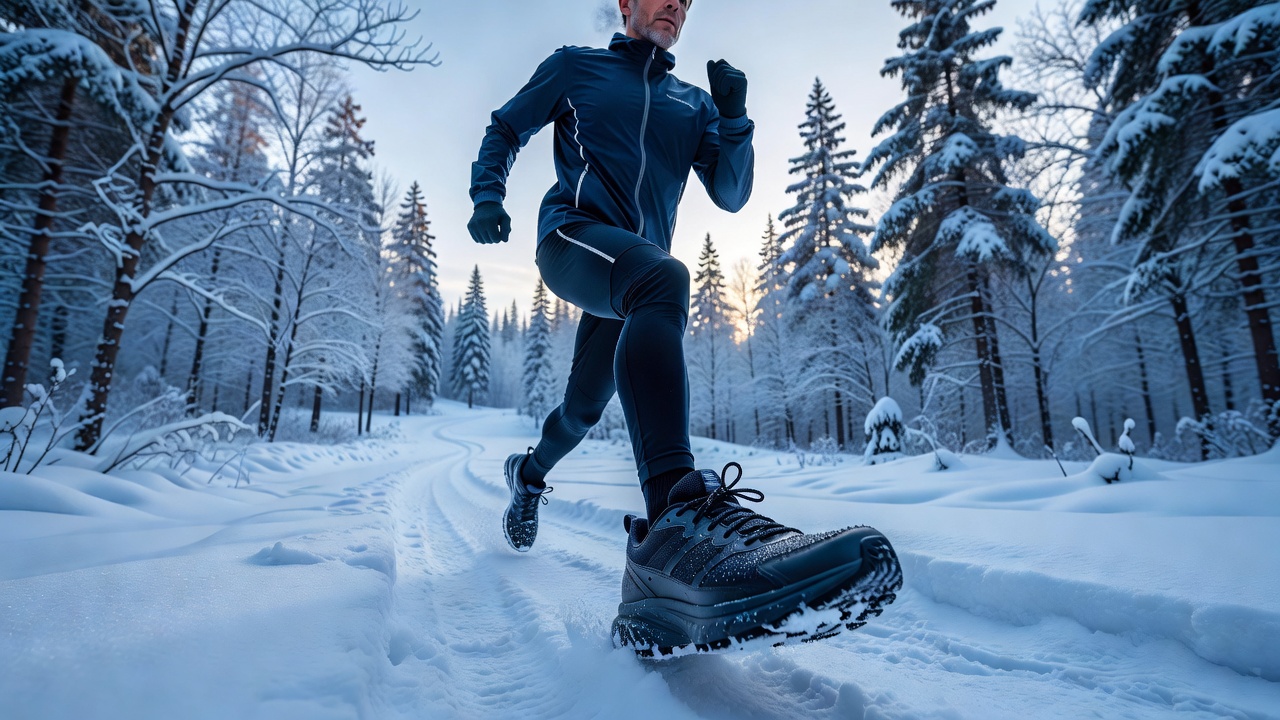
Winter running demands specialized shoes and gear to handle snow, ice, rain, and freezing temperatures. Runners seeking performance in harsh conditions need insulation, waterproofing, and superior traction. This 2026 guide reviews leading models from major brands, shares real-world testing insights, and provides a practical selection process including budget-friendly choices. Understanding how different environmental factors affect foot performance helps runners prepare effectively for seasonal challenges.
Whether preparing for snowy trails or rainy city streets, the right equipment prevents slips and maintains comfort. Key considerations include outsole grip, upper materials, and midsole cushioning designed for cold environments. Many athletes find that investing time in research leads to fewer injuries and more consistent training throughout the colder months.
Essential Features for Winter Running Shoes
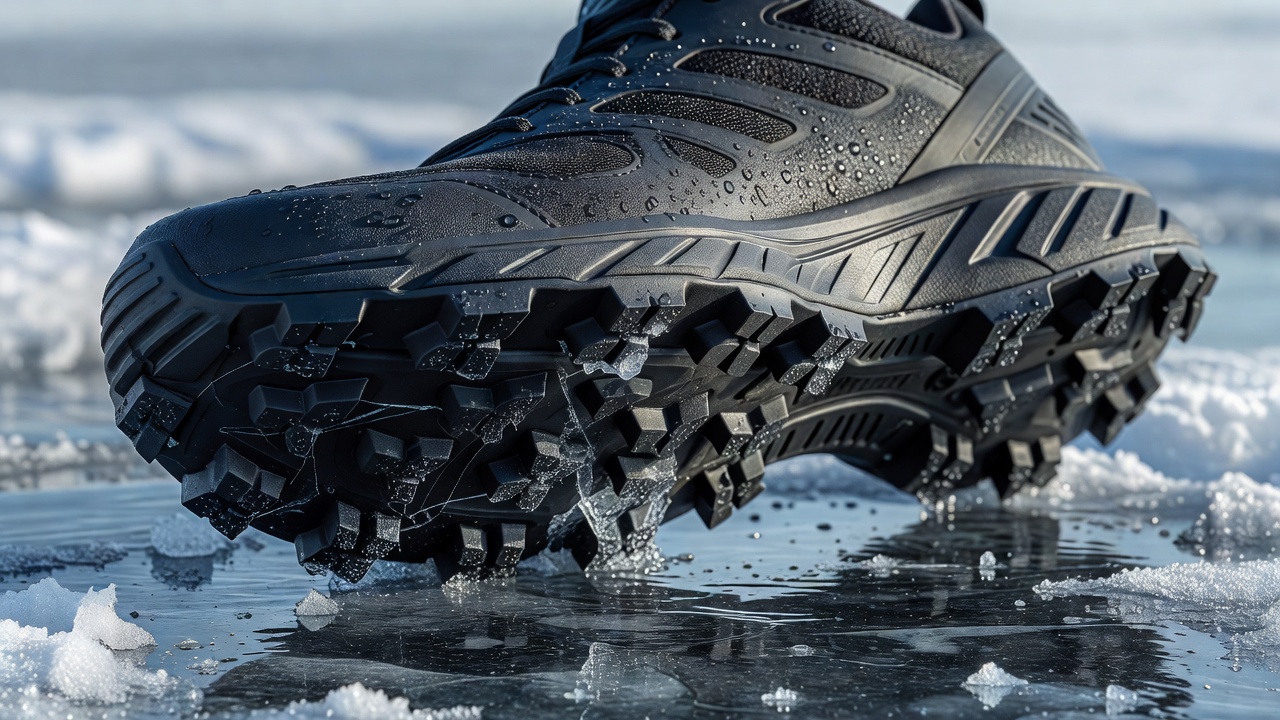
Effective cold weather footwear prioritizes several elements. Waterproof membranes like Gore-Tex keep feet dry during rain or slush. Insulation layers trap warmth without excess bulk. Aggressive lugs on rubber outsoles deliver traction on ice and packed snow. Reflective elements enhance visibility in low light. Breathability remains important to prevent sweat buildup that could lead to discomfort or blisters over long distances.
Additional gear such as insulated jackets, thermal base layers, and waterproof socks complement shoes for full protection. These features combine to support longer runs in sub-zero conditions. Runners should also consider weight distribution and flexibility, as overly rigid shoes can restrict natural foot movement on uneven terrain.
Top Cold Weather Running Shoe Models Compared
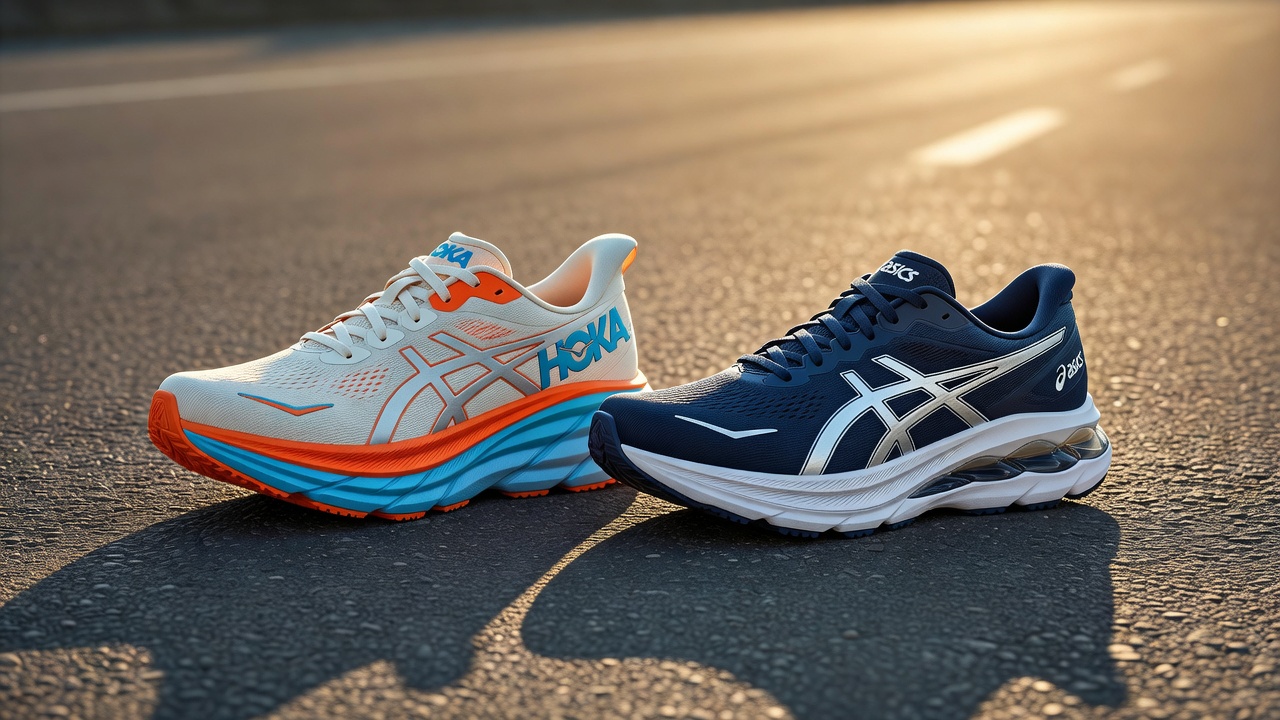
Several standout options lead the 2026 market. The Brooks Ghost Max 3 GTX offers plush cushioning with Gore-Tex waterproofing for wet trails. Nike Pegasus Trail 5 Gore-Tex provides responsive foam and aggressive tread suitable for mixed terrain. Salomon Speedcross 6 excels in deep snow with its aggressive lug pattern and quick-drying upper. Hoka Speedgoat 6 GTX delivers maximal cushioning and stability on uneven winter surfaces.
Each model balances weight, durability, and grip differently. Runners testing on icy paths report the Salomon model gripping best in fresh powder, while Brooks performs reliably on slushy roads. The Nike option shines during variable weather shifts, offering quick transitions from pavement to light trails. Hoka's wide platform reduces fatigue on extended outings. Brooks Running emphasizes durable waterproof construction across its winter line. Nike focuses on lightweight traction for dynamic movement. Salomon and Hoka highlight advanced outsole technologies for slippery conditions.
Real-World Testing Insights
Testing occurred across varied winter settings including urban parks with light snow and mountainous trails with ice patches. Testers noted improved stability when using shoes with Vibram or Continental rubber compounds. One runner completed a 10-mile snowy loop in the Hoka model without foot slippage, crediting the wide base and deep lugs. Another athlete reported dry feet after two hours in steady rain wearing the Brooks GTX version.
Waterproofing held up during prolonged rain exposure, though breathability varied. Insulated versions prevented cold toes effectively below freezing. These experiences highlight the importance of matching shoe features to specific weather patterns. Additional tests on mixed surfaces showed that models with rockered soles helped maintain forward momentum on slippery inclines.
Step-by-Step Guide to Selecting Winter Gear
- Assess your typical running surfaces and average temperatures to prioritize traction or insulation.
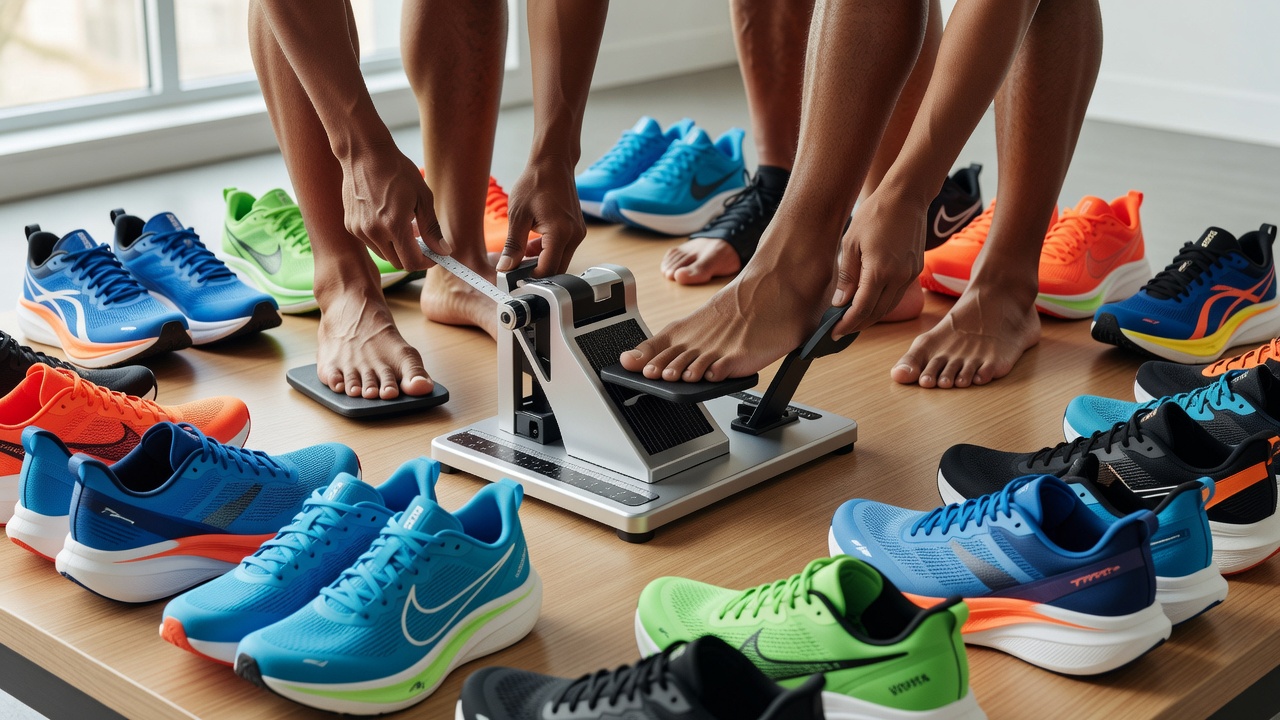
- Measure foot volume to ensure room for thicker socks without constriction.
- Compare waterproof ratings and try models with removable insoles for customization.
- Test traction on sample surfaces if possible, or review user feedback from similar climates.
- Factor in weight for speed-focused runs versus stability needs for longer distances.
- Consider pairing with gaiters for deep snow protection and reflective vests for safety.
- Evaluate midsole cushioning for impact absorption on frozen ground.
- Check for reinforced toe caps that protect against hidden obstacles under snow.
Budget-Friendly Cold Weather Options
Affordable alternatives deliver solid performance without premium pricing. Entry-level waterproof shoes from Saucony and New Balance provide reliable grip and basic insulation. Adding aftermarket traction devices like Yaktrax extends usability on ice for any shoe model. These choices suit occasional winter runners while maintaining core protective qualities found in higher-end versions. Shoppers can also look for previous season models that retain key technologies at reduced costs.
Common Mistakes to Avoid When Buying Winter Running Gear
Many runners overlook the need for a proper fit when wearing thicker socks, leading to blisters or restricted circulation. Another frequent error involves selecting shoes solely based on appearance rather than testing traction on actual winter surfaces. Ignoring breathability can cause excessive moisture buildup inside the shoe. Finally, failing to rotate multiple pairs shortens the lifespan of each pair due to constant dampness.
Layering Strategies in Detail
Start with a moisture-wicking base layer, add an insulating mid-layer like fleece, and finish with a windproof shell. Adjust based on effort level and temperature to prevent overheating during runs. For lower body coverage, consider thermal tights paired with waterproof pants on particularly wet days. Accessories like neck gaiters and beanies help retain heat while allowing ventilation through zippers or mesh panels.
FAQs on Maintenance and Layering Strategies
How should I clean and store winter running shoes?
Remove insoles after runs and air dry at room temperature. Avoid direct heat sources that damage waterproof membranes. Store in a cool, dry place with cedar inserts to control moisture. Regular cleaning of the outsole prevents buildup that reduces traction effectiveness over time.
What layering approach works best under winter conditions?
Start with a moisture-wicking base layer, add an insulating mid-layer like fleece, and finish with a windproof shell. Adjust based on effort level and temperature to prevent overheating during runs. Experiment during shorter outings to refine your system before committing to longer sessions.
Do winter shoes require special care for longevity?
Rotate pairs to allow drying time and inspect lugs regularly for wear. Reapply waterproof treatments seasonally to maintain membrane effectiveness. Avoid machine washing unless specified by the manufacturer, as it can degrade specialized materials.
Conclusion
Selecting appropriate cold weather running shoes and gear enhances safety and enjoyment throughout winter 2026. By focusing on proven features, comparing models through testing data, and following a structured selection process, runners can find options suited to their needs and budgets. Proper maintenance further extends equipment life for consistent performance across multiple seasons.
No comments yet. Be the first!