 The Runner Story
Why Proper Running Shoe Sizing Matters in 2026
Choosing the right size for your running shoes can make or break your training and races. Ill-fitting shoes often lead to blisters, black toenails, and even stress injuries that sideline runners for weeks. In 2026, with advanced shoe technologies from major brands, accurate sizing is more important than ever to maximize cushioning and performance benefits. Runners who ignore fit details frequently report discomfort after just a few miles, turning enjoyable workouts into painful experiences. Proper sizing supports better biomechanics, reduces impact forces, and helps maintain consistent training schedules throughout the year.
Many runners underestimate how foot shape changes throughout the day and across seasons. This guide provides practical, up-to-date advice tailored for both new and experienced runners seeking a perfect fit. Whether you are preparing for your first 5K or tackling an ultra marathon, understanding sizing nuances can dramatically improve your running experience and longevity in the sport.
How to Measure Your Feet Accurately
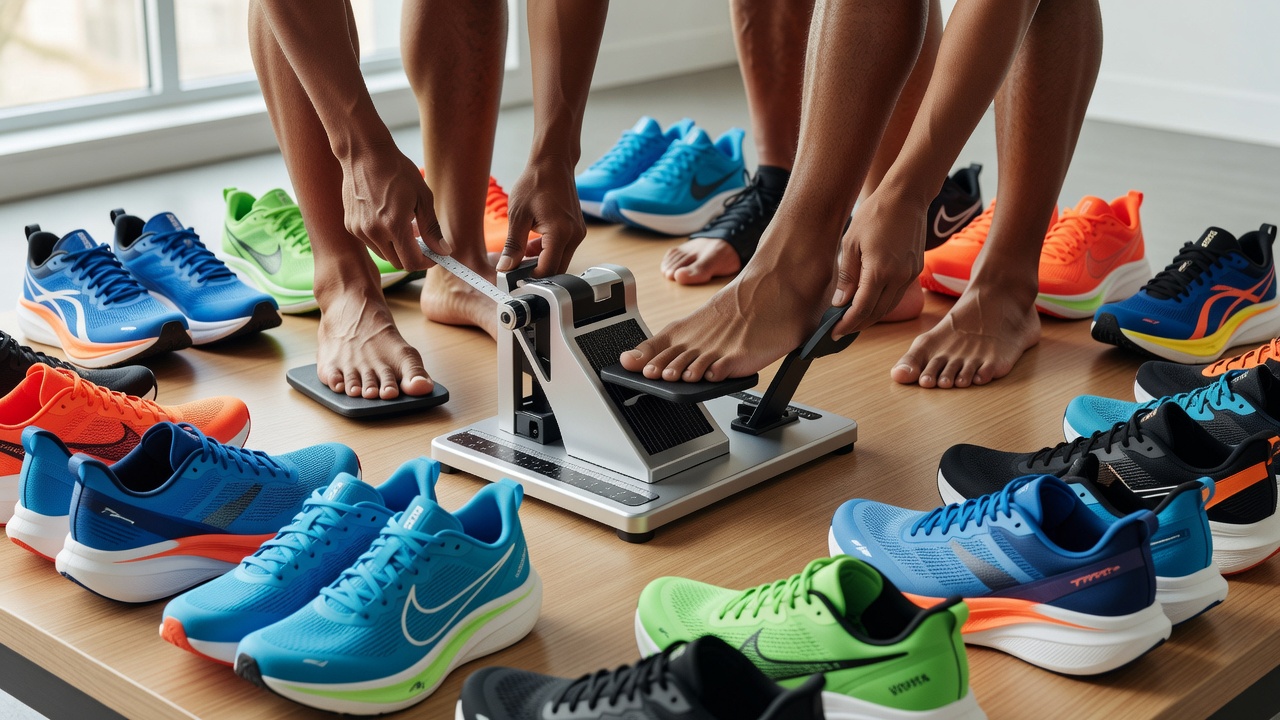
Start by measuring your feet at the end of the day when they are most swollen. Use a ruler or Brannock device for length and width. Trace your foot on paper while standing, then measure from heel to longest toe and across the widest part. Stand barefoot on a flat surface with your weight evenly distributed for the most accurate results. It is helpful to have a friend assist so you maintain natural posture during the process.
Always measure both feet, as one is often larger. Add about a thumb's width (roughly 0.5 inches) of space in front of your longest toe for running shoes. Professional fitting at a specialty running store remains the gold standard. Repeat measurements every six months because foot size can shift due to aging, weight changes, or pregnancy. Consider using a digital foot scanner if available at local running shops for even greater precision in 2026 models.
Brand Differences and Real-World Examples
Running shoe sizing varies significantly between brands. Nike tends to run small and narrow, while Brooks and Hoka often provide more room in the toe box. For example, a runner who wears a US size 9 in Adidas might need a 9.5 in Nike for the same comfort level. Saucony and New Balance frequently offer consistent sizing but differ in arch support placement, which can affect perceived fit. A marathoner switching from Asics to Hoka reported needing to go up a full half size to accommodate the brand's maximal cushioning design.
Always check each brand's specific size chart before purchasing. Mayo Clinic resources on foot health emphasize consulting professional measurements when switching brands. Another useful reference is the American Academy of Orthopaedic Surgeons site, which highlights how improper fit contributes to common running injuries like plantar fasciitis.
Half-Size Rules and Width Considerations
Half sizes exist for a reason. If your foot measures between two full sizes, opt for the larger one to accommodate swelling during long runs. Width is equally critical—many brands offer D (standard), 2E (wide), and 4E (extra wide) options. Runners with bunions or hammertoes often benefit from wide versions even if length fits perfectly. High-volume toe boxes in certain 2026 models allow natural toe splay, which improves stability and reduces fatigue on longer efforts.
Runners with high arches often need wider toe boxes, while those with flat feet may prefer structured fits. Test shoes in the afternoon and walk or jog around the store to feel any pressure points. Real-world example: a trail runner with wide feet found success in Altra's foot-shaped design after previously struggling with standard-width shoes from other manufacturers.
In-Store vs Online Fitting Strategies
In-store fittings allow you to try multiple models with expert guidance. Staff can watch your gait and suggest adjustments based on observed movement patterns. Online purchases require careful review of return policies and size charts. Measure your feet at home and compare against brand-specific guides. Many 2026 models include enhanced digital fitting tools on manufacturer websites that use smartphone photos for recommendations.
When buying online, order two sizes and return the less suitable pair. Pay attention to sock thickness as well—thicker running socks can change the fit dramatically. Specialty retailers often provide virtual consultations to bridge the gap between online convenience and in-person expertise.
Debunking Common Sizing Myths
- Myth: Running shoes should fit like dress shoes. Reality: They need extra length and width for foot expansion during activity.
- Myth: All brands size the same. Reality: Significant variations exist across manufacturers, sometimes requiring full size changes.
- Myth: You can break in a tight shoe. Reality: Discomfort usually worsens with mileage and can lead to injury.
- Myth: Sizing is only about length. Reality: Width, arch placement, and heel counter shape all influence overall comfort and performance.
Accounting for Seasonal Foot Swelling
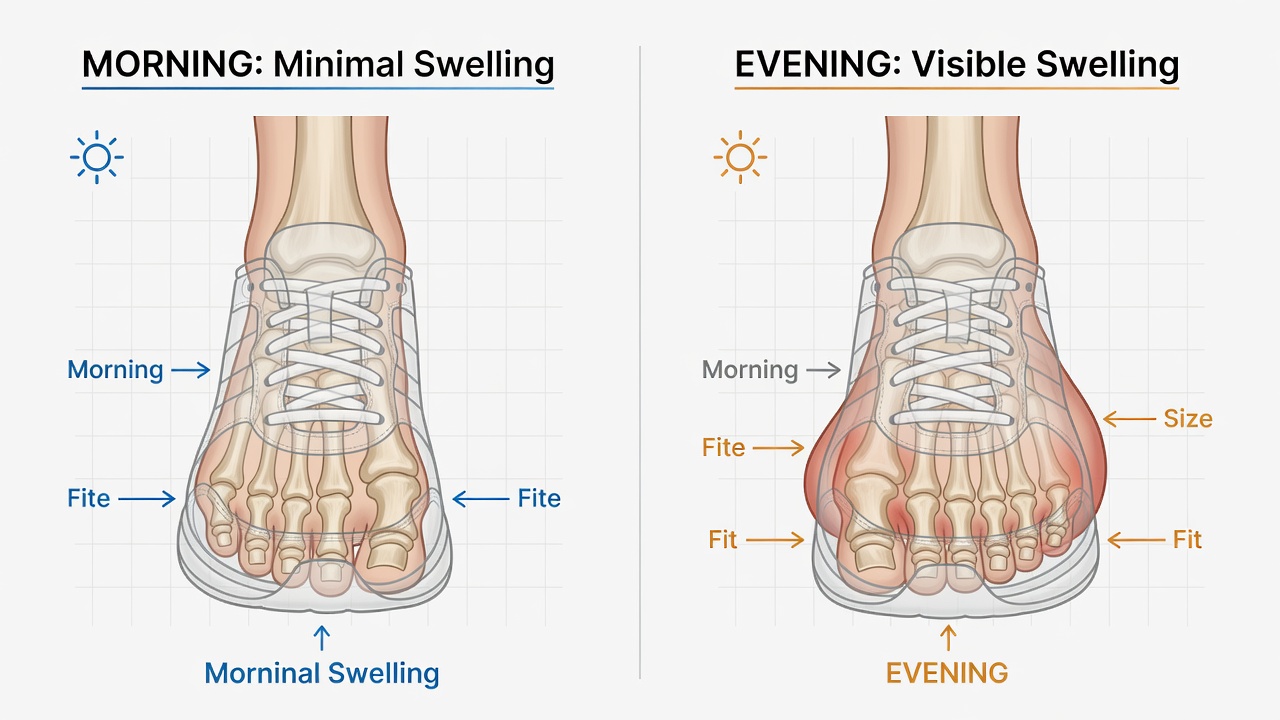
Feet swell more in hot weather and during longer runs. In summer, consider sizing up slightly or choosing models with adjustable lacing systems. Winter runners may find their feet less swollen but should still prioritize breathability and room. Track your foot measurements seasonally for the best results. Runners in humid climates often notice a half-size difference between morning and evening measurements, making afternoon fittings essential.
Step-by-Step 2026 Fitting Checklist
- Measure feet at day's end using a reliable device or professional scanner.
- Try shoes in the afternoon wearing the same socks you run in.
- Check for thumb-width space at the toe and no heel slippage.
- Walk, jog, and perform quick turns in the store to simulate real conditions.
- Assess width by ensuring no pinching on sides or top of foot.
- Compare fit across 2-3 brands and models before deciding.
- Verify return window and policy for online orders, especially for new 2026 releases.
- Consider insoles or orthotics if you have specific foot conditions.
Common Mistakes to Avoid When Sizing Running Shoes
One frequent error is buying shoes first thing in the morning when feet are smallest. Another is ignoring width options and forcing a standard fit that causes rubbing. Runners sometimes overlook trying shoes on both feet or forget to account for future swelling on race day. Always test shoes on a treadmill or short run if the store allows it.
Adjusting Fit for Different Running Types
Road runners may prioritize a snugger fit for efficiency, while trail runners need extra room for toe protection on uneven terrain. Ultra runners often select shoes with generous toe boxes to prevent swelling over many hours. Adjust your sizing strategy based on your primary running surface and distance goals.
FAQ: Returns and Adjustments for 2026 Models
How long do most retailers allow returns on running shoes? Many offer 30-90 days, but always confirm with the specific retailer for 2026 models.
Can I adjust lacing for a better fit? Yes, techniques like the runner's loop can reduce heel slippage without changing size.
What if my feet change size after buying? Consider insoles or professional stretching services rather than forcing a mismatched pair.
Are there differences in sizing between men's and women's 2026 models? Yes, women's models often have narrower heels and higher arches; try both if you fall between categories.
Final Thoughts on Achieving the Perfect Fit
Investing time in proper sizing pays dividends in comfort and injury prevention. Use this guide as your reference for 2026 and beyond, and revisit measurements periodically as your body changes. Happy running!

No comments yet. Be the first!